
Spain’s Energy Storage Challenge: The Villar Mir Project in Granada
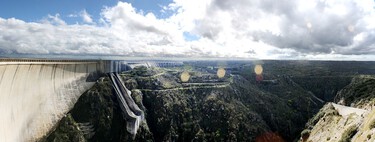
Spain’s transition to a more sustainable energy model is both exciting and fraught with challenges. With renewable energy sources contributing significantly to its electricity generation, the country must tackle the pressing issue of energy storage . When the wind isn’t blowing or the sun isn’t shining , energy must still be available. In this context, the Villar Mir project emerges as a vital solution: a reversible hydroelectric plant with a capacity of 356 MW, strategically linked to the Rules reservoir in Granada.
A Key Step in the Procedures
In recent developments, Villar Mir Energy has secured a Favorable Environmental Impact Declaration from the Ministry for Ecological Transition. This approval marks a significant milestone after years of delays, as the necessary water rights were granted by the Junta de Andalucía back in 2020. However, the environmental impact assessment was complex and delayed the project’s progression.
The resolution, published in the Official State Gazette, also includes a series of environmental conditions that outline preventive, corrective, and compensatory measures. While the project is advancing, it still needs to overcome additional authorizations before construction can commence.
How the Guájares Central Will Operate
The proposed installation will be constructed across several municipalities, including Vélez de Benaudalla , El Pinar , Los Guájares , and Padul . The operational mechanism is straightforward: water will be pumped from the Rules reservoir to an upper reservoir. During periods of high energy demand, this water will be released to generate clean electricity.
This installation is expected to produce approximately 1,022 GWh of electricity annually, sufficient to power hundreds of thousands of homes. The project will involve extensive construction work, requiring the excavation of over 246,000 cubic meters of material, the installation of 1.5 km of pipes, and an anticipated construction period of nearly five years .
Financial Stakes: Over €400 Million at Risk
According to sources, such as El Economista, the project represents a financial commitment of over €400 million . Banco Santander is currently advising Villar Mir Energy in securing investment partners for the project. This strategic move comes at a critical juncture for the holding company, which has successfully reduced its debt from €1,500 million to €120 million since 2017 by selling interests in various companies, including Ohla, Ferroglobe, and Fertial. This project could help reinforce its financial stability.
Controversy Surrounding the Project
Despite the hopeful advancements, the Villar Mir project is generating considerable controversy. Alejandra Durán , a deputy for Granada and leader of Podemos, is vocally opposing the project. Concerns have been raised about potential erosion, the destabilization of slopes, and the impact on endangered species, such as the imperial eagle and the Griffon vulture .
Durán has also pointed out the potential loss of “thousands of trees, shrubs, and native scrubland.” She emphasizes that the land earmarked for this project includes areas previously affected by wildfires in the Guájares region. Critics argue that the project prioritizes private interests over public welfare, raising alarms about what they describe as “water theft” that could jeopardize local farmers.
The Urgency of Energy Storage
The discussion surrounding the Villar Mir project is emblematic of a broader nationwide debate in Spain. Currently, about 50% of the country’s electricity is generated from renewable sources , yet the intermittent nature of wind and solar energy necessitates innovative storage solutions. Reversible hydroelectric plants have been likened to “hydraulic batteries,” capable of storing excess energy for use during peak demand times.
In October alone, such facilities produced 4,747 GWh of electricity, representing a 10% increase compared to 2022. While the installed capacity has remained relatively stagnant over the past 15 years at 3,337 MW , experts assert that the role of reversible pumping stations is crucial in stabilizing the energy grid and managing electricity prices.
The Balance Between Need and Resistance
The Guájares Central project encapsulates the tension existing within the energy transition : the urgent need for storage solutions against the backdrop of environmental and social risks associated with such initiatives. With this recent approval in hand, Villar Mir Energy now faces a pivotal decision: will they take the leap to invest and make Granada a renewable energy hub in Spain, or will this ambitious project highlight the pitfalls of an overly aggressive energy transition?