
Spain’s Tourism Boom: A Double-Edged Sword
As Spain embarks on its journey to establish itself as the paramount resort destination in Europe, the tourism sector faces an unexpected dilemma : it is welcoming a staggering number of visitors. The nation is on track to achieve nearly 100 million international travelers by 2025. However, the pressing question looms: does this influx translate into increased revenue for hotels, restaurants, and other tourism-dependent businesses?
Voices within the hospitality industry are starting to express concern. In particularly visited locales like Mallorca , there are indications that a surge in tourist numbers does not equate to a corresponding increase in spending. Reports highlight that while the overall tourist headcount may rise, the economic impact is considerably more nuanced.
Record-Breaking Tourism in Spain
When discussing tourism in Spain, the focus naturally gravitates towards extraordinary figures. The country shattered its previous record for foreign visitors in 2024, and the trajectory indicates that 2025 could be even better. Studies project that by 2040 , Spain will surpass renowned destinations like France , the United States , and Italy , positioning itself as the dominant player on the global tourism stage. The National Statistics Institute (INE) reports support these optimistic predictions, suggesting a robust demand for Spain as a tourist hotspot.
The Challenge of Maintaining Revenue
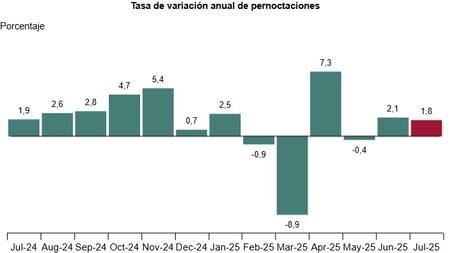
Despite the rosy statistics, there are underlying issues. The hospitality industry has been vocal about an emerging trend: while tourist numbers climb, their spending habits are evolving. Data from INE indicates that by July 2025, the influx of both national and international visitors peaked at 67.1 million , representing a 1.2% increase from the previous year, which had already been strong for the sector.
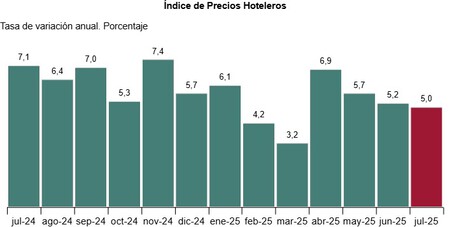
Interestingly, the hotel price index noted a 5% increase in annual rates last month, presenting a potentially positive backdrop for revenue. However, this growth paints an incomplete picture of the financial health of the sector.
Shifts in Tourist Spending Patterns
The available data suggest a distinct trend: the increase in tourist numbers is not consistently mirrored by a rise in their expenditure. While a modest uptick of 5.5% in total expenditure was reported among foreign tourists in June, ongoing *reports indicate* that less money is being spent per tourist. For instance, venues in Vigo have noted an increase in visitors, yet the financial contribution from these guests does not reflect a similar gain.
Across the board, the Basque Country is seeing similar disruptions in spending habits, with many travelers opting for self-catering options instead of dining out. The hospitality association has acknowledged that, while the summer season is not yielding disappointing results, it is not quite meeting industry expectations for revenue growth.
Mallorca: The Epicenter of Concern
The situation in Mallorca particularly highlights the sector’s unease. The Hotel Business Federation of Mallorca (FEHM) raised alarms about a downturn in tourist numbers in regions such as Capdepera and Sóller , with reports suggesting a possible closure of hundreds of local eateries. Some areas have experienced a staggering 40% drop in diner volume, leading to temporary layoffs for staff during peak business periods.
This concern is echoed by José Almeida , the president of the hotel association, who notes that while the influx of tourists may be larger, the average spending per tourist is on a downward trend. Factors such as the cost of living, evolving traveler preferences, and the increasing popularity of short-term rentals are likely contributing to this shift.
The Rise of the ‘Diesel Tourists’
In conversations surrounding tourism, the term “diesel tourists” has emerged to describe visitors who tend to stay longer but spend less. Transportation data from the Balearic Islands evidenced a 20% decline in tourist transportation during July and August. The economic activities linked to nightlife and excursions further revealed lower revenues in key areas.
Moreover, rising accommodation prices are prompting many travelers to weigh the costs of vacationing in places like the Canary Islands or even the Caribbean , further complicating the scenario for major tourist destinations like Mallorca.
Analyzing the Future of Tourism
As Spain grapples with these challenges, the question remains: why the paradox between increased tourist arrivals and lower spending? The sector is witnessing a growing divergence between foreign tourists and domestic travelers , with local tourism failing to exert the same economic influence as before. Airfare and hospitality costs have risen significantly, making domestic travel less appealing for Spaniards, who are increasingly turning to international destinations for their vacations.
In addition, the uptick in vacation rentals continues to be a key player. With options boasting kitchens and other amenities, travelers are opting to prepare their meals rather than dine out, negatively impacting restaurant revenues.
As pressure mounts from rising prices, changing traveler preferences, and growing anti-tourist sentiments regarding mass tourism , destinations must adapt. In areas where protests have gained traction, the looming question is whether a reconsideration of tourism practices might yield solutions that preserve both industry health and local ethics.
The media is echoing these concerns globally, questioning the sustainability of the prevailing tourism business models. Publications across Europe are highlighting the need for balance between visitor enjoyment and the local populations’ quality of life, emphasizing that a sustainable tourism strategy is paramount moving forward.