

The Power of Retinol: A Game-Changer in Skincare
Skin care requires clear precision and knowledge about assets that truly promote cutaneous health . One of the most studied ingredients by dermatologists and facial aesthetics specialists is retinol , derived from Vitamin A , and is widely recognized for its action on the texture and appearance of the face.
Although there are high-cost and powerful dermatological formulations available in the market, it is possible to reproduce some of its biochemical principles using compounds obtained in the kitchen , generating useful and accessible alternatives for those who seek to improve firmness and skin elasticity .
The Essential Role of Retinol
Retinol is distinguished in dermatology by its ability to stimulate collagen synthesis , an essential molecule that gives the dermis its support and prevents the appearance of expression lines and wrinkles . This asset also promotes cell renewal , leading to a more uniform and brighter skin surface. Experts from the dermatology department of the National Autonomous University of Mexico (UNAM) describe that “the topical use of retinol favors the recovery of flexibility and the tone of the skin exposed to solar radiation or aging processes.”
Kitchen Ingredients That Mimic Retinol
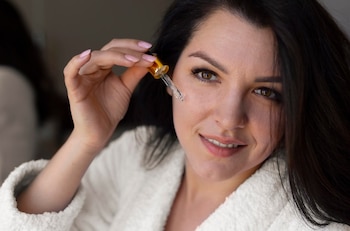
Today, ingredients found in the kitchen and in natural products can contain precursors of Vitamin A or compounds related to retinoids . These elements can serve as a basis for creating facial preparations that replicate some functions of commercial serums. Combinations like rosehip oil, grape seed oil, jojoba oil, aloe vera gel, lavender, and vitamin A capsules offer a natural alternative to achieve a moisturizing, antioxidant, and repairing product for your nighttime routine.
Homemade Retinol Alternative: DIY Serum
To create a homemade serum inspired by the properties of retinol, opt for rich ingredients containing antioxidant and emollient compounds. Below is a safe and effective recipe for topical use on the skin of the face, neck, and décolletage.
Ingredients:
- 1 tablespoon of rosehip oil
- 1 tablespoon of grape seed oil
- 1 tablespoon of jojoba oil
- 1 tablespoon of aloe vera gel
- 3 to 5 drops of lavender essential oil
- 3 vitamin A capsules
Preparation:
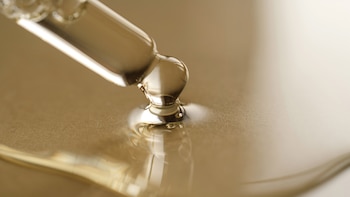
- In a sterilized glass container, mix aloe vera gel, rosehip oil, grape seed oil, and jojoba oil until obtaining a homogeneous consistency.
- Add the lavender essential oil and the content of the vitamin A capsules, combining all the ingredients with a clean spatula until completely integrated.
- Store the mixture in a hermetic container, preferably opaque, and retain it in a cool and dry place.
Application:
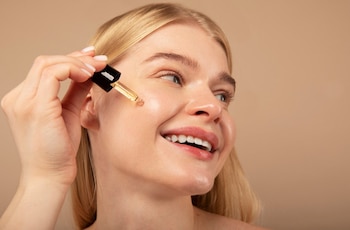
At night, clean the face and gently dry it with a clean towel. Apply a small amount of serum on the skin, massaging with soft and upward movements. Distribute the product on the face, neck, and décolletage, avoiding contact with the eyes. Leave it on overnight and rinse with warm water in the morning before continuing your usual routine.
It’s crucial to perform a patch test before the first application, placing a small amount of the product in a discreet area of skin. Wait 24 hours to confirm there are no adverse reactions.
This preparation consists of natural ingredients with a low irritating potential, but it *does not replace* certified medical products and does not work the same way as pure pharmacological retinol. Effects and tolerance can vary based on skin type. It’s essential to avoid direct sun exposure after application and consult a dermatologist before starting use if there’s a history of sensitive skin, acne, allergies, or previous conditions.
Incorporating homemade solutions into your skincare routine always requires professional supervision to ensure skin health and safety.