
Examining Galicia’s Fire Management: A Call for Accountability
Recently, José Ramón Gómez Besteiro , the Secretary of Organization of the PSDEG-PSOE in Galicia and spokesperson for the Socialist Group in the Galician Parliament, has raised imperative questions regarding the management of recent wildfires . In light of the upcoming plenary session on September 9, he emphasizes the need for political accountability for the handling— or lack thereof— by President Alfonso Rueda’s administration.
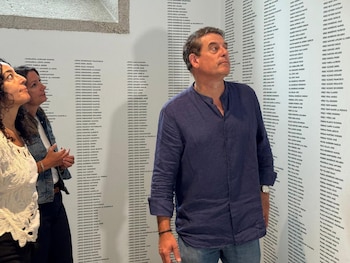
During a visit to the historic Cárcere hair building in Lugo, where he advocates for its designation as a place of memory , Besteiro expressed concerns that have been echoed among many Galicians. He pointedly remarked, “It is time to talk about political responsibilities .” Citing critical issues that the PSDEG intends to address in Parliament, he aims to shine a light on what should have been done regarding fire management, the military and resource coordination, and a comprehensive review of the Popular Party’s 17-year tenure over wildfire management.
One of the critical arguments he presented is the concept of fifth and sixth-generation wildfires, phenomena recognized as ongoing threats for some years. “This possibility had been known since 2020 or 2022,” he noted, calling into question the Galician government’s preparedness and response capabilities.
There has been a recurrent theme within the Galicia political landscape: when faced with emergencies, government representatives often seek to blame external factors, rather than taking responsibility for their inactions. As Besteiro put it, “the Popular Party , when unable to resolve an issue, always looks for scapegoats.” This avoidance of accountability particularly pertains to arguments suggesting that the wildfires were unavoidable or too complex to manage. He rejected these notions, framing them as inadequate excuses for what he describes as “ incompetence and uncoordination ” in fire management.
Proposals for Effective Fire Management
In response to the ongoing challenges posed by wildfires, the PSDEG has suggested a series of initiatives aimed at improving preparedness and response efforts. First, there is a pressing need for increased funding and resources for firefighting efforts. Many of the recent criticisms have highlighted that existing resources were insufficient to tackle the scale of the fires effectively. Ensuring that fire brigades are adequately equipped is paramount.
Another important strategy involves strengthening community resilience . Local populations should be educated about fire risks and response measures. Creating community-based programs that engage residents in fire prevention and management plans can significantly reduce risks in vulnerable areas.
The PSDEG is also advocating for better coordination among various government entities involved in fire management. It is crucial to establish an organizational framework that allows for seamless collaboration between local, regional, and national agencies. This could streamline operations and enhance response times during emergencies.
A Historical Context of Wildfire Management in Galicia
Galicia has faced a long history of devastating wildfires, particularly during the dry summer months. The Popular Party’s extensive governance has been met with criticism regarding its handling of this pressing issue. As wildfire incidents have become more frequent and intense due to climate change , there is an urgent need to reconsider strategies and policies.
The correlation between increased forest degradation, climate fluctuations, and inadequate fire management tactics has raised questions about the governmental priorities. In the past, there have been scattered efforts to address these issues, but they seem insufficient in light of the growing challenges Galicia faces.
The Galician population is calling not just for better management practices , but for a holistic approach that considers environmental sustainability alongside effective firefighting strategies. Government accountability in these challenging times is essential to restore public trust and ensure safety for all Galician citizens.
In summary, the need for political responsibility and improved wildfire management strategies is more pressing than ever in Galicia. With rising temperatures and changing climate conditions, effective preparation and response to wildfires is not just a political issue, but a vital necessity for the safety and sustainability of the region. It is crucial for the government to learn from past mistakes, act decisively, and prioritize both immediate response and long-term prevention efforts to safeguard the future of Galicia.