
Heat Waves: The Hidden Toll on Human Aging
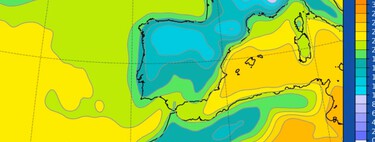
This summer has seen a series of haunting visuals: empty seats during nap time, sleepless nights under sweltering skies, and a Mediterranean Sea that feels like a pressure cooker. Spain has suffered through suffocating days this year, and the implications are staggering. While temperatures might eventually drop, the effects of these heat events linger far longer than we realize. A recent study reveals that heat waves do not merely inconvenience us; they also accelerate biological aging.
Disturbing Findings: Evidence of Accelerated Aging
According to a compelling study published in Nature Climate Change, conducted by researchers from the University of Hong Kong, regular exposure to heat waves has a profound effect on our biological age. This long-term study tracked 25,000 individuals over a span of 15 years in Taiwan, and the results are unsettling. The findings indicate that each four additional days of heat waves within a two-year period corresponded to an increase of nine days in the biological age of the participants. Interestingly, for manual workers who spend more time in direct sunlight, this acceleration in aging shot up to 33 days.
One of the key takeaways of this research is the bold assertion that the impact of heat on human health is comparable to tobacco, alcohol, poor diet, or lack of exercise, as summarized by the research team in an interview with The Guardian.
The Mechanism Behind the Biological Clock
The underlying mechanisms driving this phenomenon are yet to be fully understood. Researchers utilized various markers—such as blood pressure, inflammation, cholesterol levels, and the overall functioning of lungs, liver, and kidneys—to calculate biological age. The results were striking: individuals exposed to longer durations of heat waves exhibited clear signs of accelerated aging.
Dr. Cui Guo, the lead author of the study, warned that if these heat exposures accumulate over decades, the health repercussions could extend far beyond what is currently measurable. “The impact on health will be much greater,” he explained.
Heat Exposure: A Concern Across Age Groups
The implications of heat exposure are not limited to adults. A separate study published in Nature revealed that both cold and heat exposure during formative years can disrupt the development of white matter in children’s brains. The authors caution that these early experiences can have lasting effects throughout an individual’s life. Simply put, heat is not discerning; it affects us at every stage of life.
Is There Hope for Mitigation?
The good news is that the same study provides a glimmer of hope: the adverse effects of heat exposure seem to lessen over time. This may be attributed to individuals learning how to better protect themselves against extreme temperatures. Seeking shade, staying hydrated, and utilizing air conditioning can make a marked difference. However, it’s crucial to recognize that the biological footprints of these heat waves do not entirely fade away.
The problem, however, lies in inequities—not everyone can adapt equally. Older adults, outdoor workers, and individuals living in resource-limited neighborhoods endure a significantly greater impact, as highlighted in the research.
Urban Design: A Path Forward
Experts widely agree that prevention strategies should focus on improving urban design. Recommendations include increasing the number of trees, enhancing shade, ensuring better home insulation, and improving access to cooling facilities. On a more personal level, simple yet effective actions remain vital: stay hydrated, avoid peak heat hours, and seek out cooler environments.
The Invisible Scars of Heat
Traditionally, we have viewed heat as a temporary nuisance—an annoyance, a source of fatigue, or a danger during extreme weather events. However, growing scientific evidence points to a more alarming truth: heat is not merely a fleeting experience. Instead, experts assert that it leaves an indelible mark on our health, incessantly accelerating the wear and tear on our bodies and leaving behind invisible scars.
Researchers believe that these findings represent a significant shift in how we regard health in a warming world. The warning is clear: if global temperatures continue to rise, we will face not only longer summers but also bodies that age at an accelerated pace.
In a world where climate change continues to manifest itself through extreme weather patterns, understanding the hidden toll on our bodies becomes imperative. From policy changes to individual actions, the collective effort to address these challenges is vital for the health of future generations.