
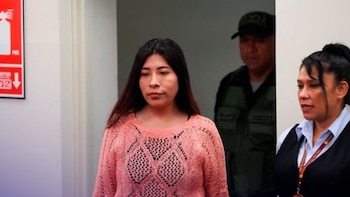
Betssy Chávez: Fourth Day of Hunger Strike and Its Implications
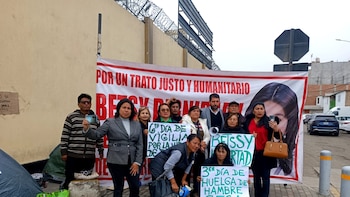
The former minister Betssy Chávez has entered the fourth day of a dry hunger strike at the Chorrillos Women’s Nexus prison. This drastic measure began on August 22 after the National Penitentiary Institute (INPE) denied her request for a transfer to another facility, citing alleged threats against her.
Health Risks of a Dry Hunger Strike
According to the latest statements from INPE, Chávez is at severe risk of health complications. Public Health Specialist Dr. Marco Almerí has cautioned that after just three days without food or liquid, the body starts to show serious symptoms, which can lead to irreversible damage without timely medical attention.
During the initial days of a dry hunger strike, the human body experiences intense thirst, headaches, dizziness, low blood pressure, and a significant appetite. Dr. Almerí noted that “on day one and day two, what people feel is quite thirst, very intense, a lot of dehydration.” He emphasized that severe dehydration could lead to acute renal damage.
Consequences of Prolonged Starvation
By the fifth and sixth day, the situation becomes increasingly dire. The cardiovascular system may begin to collapse, leading to heart dysfunction, kidney failure, and liver complications. Individuals may experience mental confusion, neurological changes, and a significant deterioration of their overall health.
From the seventh day onwards, the risk of death becomes acute. International experiences from hunger strikes — such as those in prisons in Ukraine, Colombia, and Guantanamo — indicate that no one has managed to survive beyond this limit without medical intervention. Even those who received treatment post-collapse have often faced permanent damage to vital organs.
The case of Ukrainian pilot Nadiya Savchenko, who had to be hospitalized on her fourth day of a hunger strike in 2016, serves as a sobering reminder. Additionally, FARC militants in Colombia, who undertook dry hunger strikes in the 1990s, only lasted six days, while at the Guantanamo prison, several political prisoners died after five days due to fatal arrhythmias.
Interventions and Family Decisions
Dr. Almerí has stated that intervention for Betssy Chávez will only be possible if she loses consciousness, at which point a family member would need to authorize medical treatment. “Nothing can be done unless the patient enters a state of unconsciousness,” he stated. If her condition worsens, the family would need to act quickly to authorize intravenous hydration and possibly a nasogastric tube for nutrition.
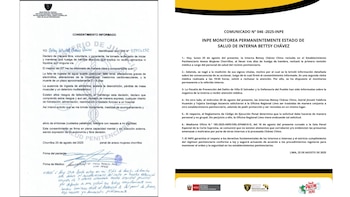
The unfolding situation surrounding Betssy Chávez’s hunger strike highlights significant concerns over human rights, mental health, and the treatment of inmates in Peru. The risks associated with prolonged hunger strikes not only impact the individual but also raise questions about the ethical responsibilities of authorities towards individuals in their care.
As supporters rally for her transfer and call for a reconsideration of her circumstances, the narrative surrounding her plight continues to evolve, reflecting broader concerns about justice, human rights, and the treatment of dissent in various societal contexts. The outcome remains uncertain, yet it serves as a stark reminder of the significant implications of actions taken in protest.