
Discovering Castilnovo Beach: A Hidden Gem on the Andalusian Coast
Spain boasts a remarkable coastal stretch of nearly 8,000 km, drawing tourists from within the country and abroad every summer. One of the standout locations is the province of Cádiz, which is known for its exquisite beaches. Among these, Castilnovo Beach exists as an almost untouched segment of sand that has successfully avoided the overwhelming influx of visitors that characterizes many other Spanish beaches.
Recognized for its beauty, Castilnovo Beach is often described as a virgin beach. In summer, most discussions revolve around popular beaches and coves in the area. While destinations like the Costa de la Luz and the Costa del Sol see significant tourist traffic, finding a serene stretch of coastline devoid of commercial establishments is rare.
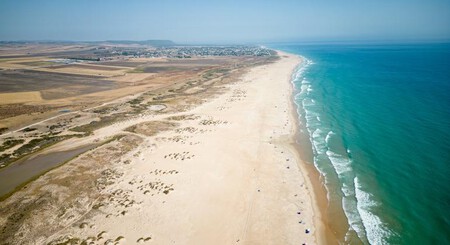
So, what exactly is Castilnovo Beach? Its name may not ring a bell like the famous beaches of Bologna or Burriana, both of which are popular among tourists. However, in recent weeks, media outlets such as the National Press have spotlighted the beach, and for good reasons.
Situated between the mouths of the salty and Conilete rivers, Castilnovo Beach spans approximately 3,000 meters. It stands out as a rare find along the Spanish coast, offering a calm and serene setting that many other coastal spots lack.
According to the Conil Tourism Office, it is described as “an extensive virgin beach ideal for long walks amid a unique environment where nature reigns supreme.” The beach stretches from Conil to near El Palmar, within the jurisdiction of Vejer.
Local authorities identify the beach’s unique landscape as one of its key features, highlighting the absence of commercial constructions. Instead, visitors are treated to natural dunes, salt flats, fields of crops, and diverse wildlife, including a remarkable variety of insects and birds such as the SHATP SHAFT.
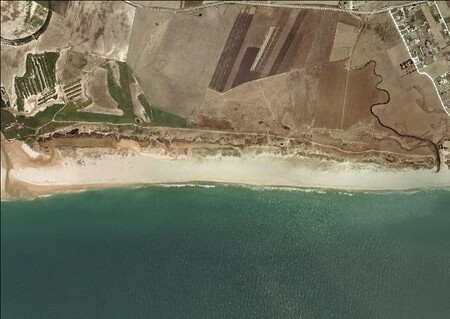
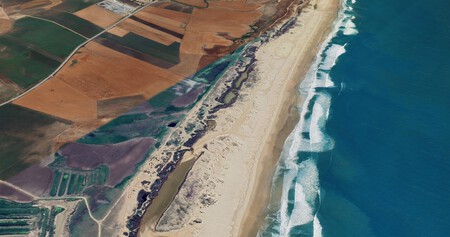
Absence of Constructions is one of the defining characteristics of Castilnovo Beach. Google Maps illustrates a stark contrast with neighboring areas like Costa de Sancti Petri, showcasing a landscape filled with fields and minimal construction.
The only notable structure in the vicinity is the Torre de Castilnovo, a 16th-century Almenara tower classified as a cultural heritage site. Originally built for surveillance against Berber pirate attacks, this tower was partially destroyed by a tsunami in 1755, coinciding with the significant earthquake that struck Lisbon.
The Cádiz Diputación emphasizes that one of the beach’s most remarkable features is its lack of buildings. “The solitary Torre de Castilnovo stands guard over the beach,” it states, highlighting the unparalleled natural beauty of the surroundings, including expansive agricultural lands, wetlands, and fields.
What to Expect? Travel guides often caution visitors that Castilnovo offers a stark departure from the usual beach experience. It’s not uncommon to see people engaged in activities like surfing, windsurfing, and kitesurfing. However, the beach lacks amenities such as bars and services, and some areas even experience a lack of mobile coverage. Visitors should be prepared for a short hike from parking areas, as they will need to leave their vehicles some distance from the beach. The Diputación also notes that parts of the area are protected for their ecological significance.
In conclusion, Castilnovo Beach represents an unspoiled paradise along the Spanish coast, offering visitors a chance to connect with nature and escape the throngs of tourists plaguing other beaches. With its serene landscapes, rich biodiversity, and historical significance, it is a perfect destination for those seeking tranquility amidst nature.