
The Perils of Arbitrary Detention in Egypt: A Call for Change
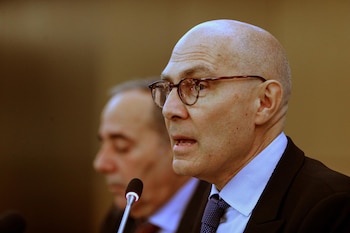
Trapped in a cycle of arbitrary detention , many individuals in Egypt are facing serious human rights violations. The head of the United Nations Office for Human Rights, Volker Turk , has recently called on Egyptian authorities to put an end to these practices. Such detentions disproportionately affect political opponents and dissidents, often keeping them incarcerated even after serving their sentences or completing the maximum allowable period of provisional imprisonment.
The Problem of “Rotation” in Egyptian Justice
One of the core issues raised by Turk is the implementation of a practice known as “rotation” . This involves the authorities presenting new charges against individuals who are already serving sentences or have reached the maximum time permissible in detention. The intention behind this practice, as noted by Turk, is often to prolong the incarceration of these individuals without just cause, effectively denying them the chance for release.
Global Reactions and Human Rights Concerns
International organizations have voiced strong criticisms regarding these tactics. The new charges often revolve around claims of terrorism , yet they frequently lack substantial evidence. As Turk highlighted in his statement, this situation not only affects the individuals involved, but it also undermines the moral framework of justice within Egypt.
The Case of Galal El Behairy
One prominent case that exemplifies the dangers of arbitrary detention is that of Egyptian poet Galal El Behairy . El Behairy was arrested in July 2021 after serving his sentence for writing critical songs and poems about the Egyptian government. Despite having completed his sentence, he faced similar charges on two separate occasions afterward. Most recently, he was confronted with new allegations in August 2025, merely after being questioned.
The Call to Action
During his statement, Turk emphasized the urgency of the situation, insisting that the Egyptian government must “immediately end this practice” and release all individuals subject to it. These tactics of prolonged detention are seen as detrimental not only to the affected individuals but also to the societal fabric in Egypt. The suppression of free speech and dissenting voices can have far-reaching consequences for democracy and human rights in the country.
Voices Silenced and Rights Undermined
Turk went further to explain that most people caught up in this cycle should not have been incarcerated in the first place. Many of the charges stem from an excessive interpretation of rights such as freedom of expression and assembly. This has led to the perception that the government uses arrest warrants as tools to stifle criticism and dissent.
Conclusion
In an era where human rights are increasingly monitored and upheld globally, it is imperative that nations respect their commitments to preserving these rights. The calls for change echo not just within Egypt but resonate on a worldwide scale, urging stronger advocacy for those who remain unjustly imprisoned. Programs aimed at supporting freedom of speech and expression should be prioritized, ensuring that individuals like Galal El Behairy do not have to suffer the indignities of arbitrary detention for simply voicing their opinions. Human rights and dignity must be the foundation upon which Egyptian society builds its future.