
Cortes de Pallás: A Hidden Gem Fueled by Hydro Power
Nestled in the heart of the Valencia Province, Cortes de Pallás is often overlooked by travelers. This intriguing town, home to just 758 inhabitants, sits at the base of the Muela Massif beside a dramatic canyon carved by the Júcar River over millions of years. However, beneath its picturesque facade lies a story of engineering marvel and renewable energy that deserves attention.
The Marvel of Hydro Power
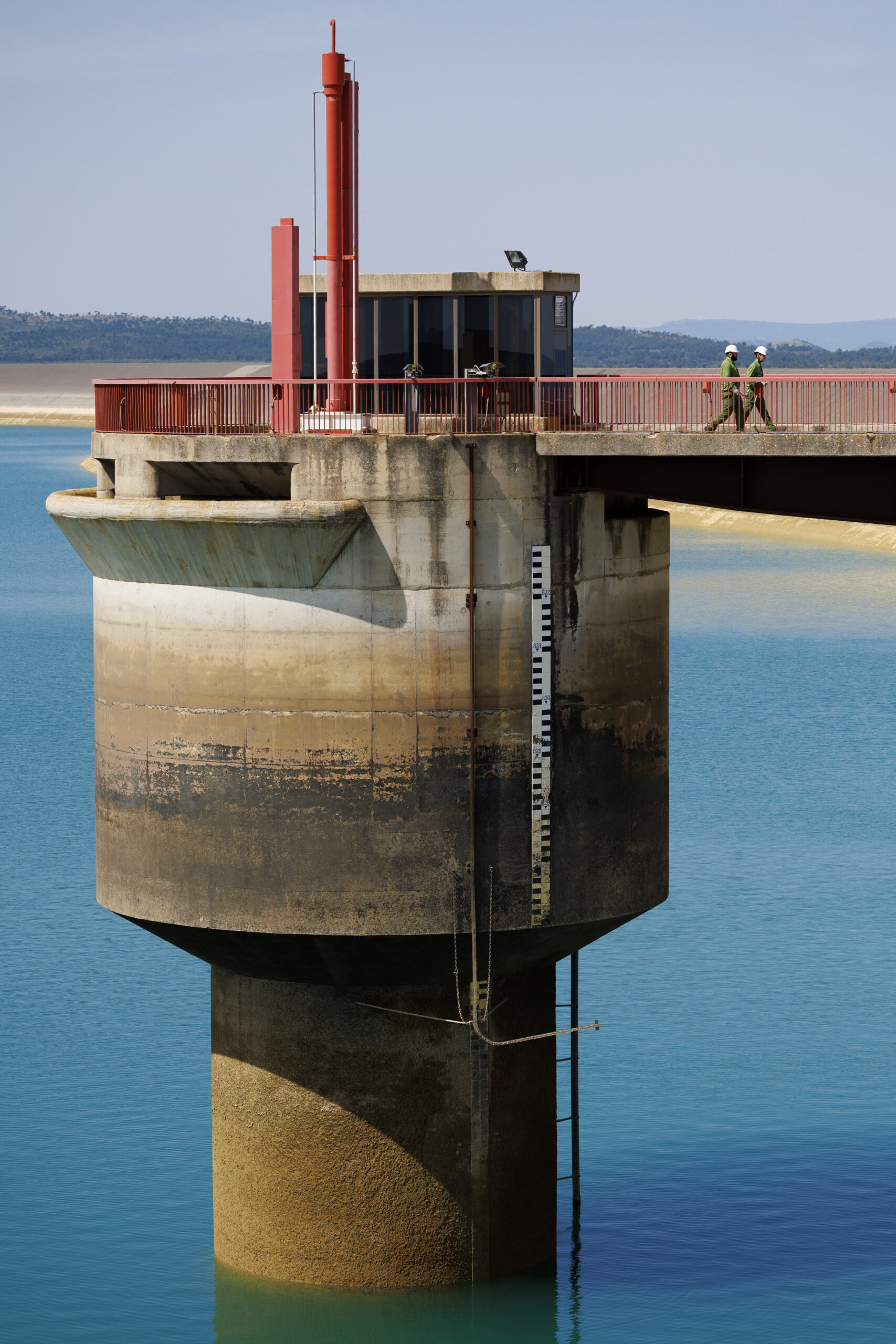
At first glance, Cortes de Pallás seems like a quaint village, but it is a crucial player in hydroelectric energy generation in Europe. The town is anchored by the Cortes Reservoir, the site of the most powerful pumping hydroelectric power plant in Europe. This facility not only provides an impressive 24 GWh of energy storage, which could cater to the daily electricity needs of 6.75 million people, but it also illustrates how small communities can contribute significantly to larger energy grids.
The Júcar River, known for its intense bluish-green waters, is regulated by the Cortes Dam, established in 1983. The accompanying hydroelectric plant generates an astounding 280 megawatts of power, effectively harnessing the natural force of the river.
The Engineering Behind the Reservoir
A striking feature of this complex is a colossal 850-meter pipe, with a diameter large enough for a bus to traverse. This engineering feat carries water from the mountainous terrain above down to the reservoir below. The pipe system is complemented by an underground network that includes a massive excavated tank measuring 30 meters deep and 5.5 kilometers in diameter.
Inside the depths of the mountain lies a machine room where seven reversible turbine groups, each weighing 300 tons and capable of spinning at 600 revolutions per minute, generate power. With the capability to produce 1,800 megawatts during turbination and 1,300 megawatts during pumping, this facility is not just a marvel of engineering, it’s a vital infrastructure for energy management.
A Sustainable Future
The pumping system in Cortes de Pallás operates in a closed circuit, losing only evaporated water. Each time water is pumped back and forth between the reservoir and the turbine rooms, energy is generated. When demand for electricity is low, surplus energy (often generated from renewables like solar and wind) is used to pump water back into the reservoir. Conversely, when energy is needed, water is released back down to generate electricity.
According to Borja González, Director of Mediterranean Generation of Iberdrola, the complexity of the terrain was instrumental in choosing this location. “The orography is ideal because you have a lot of leap, a lot of unevenness, between the upper tank and the reservoir,” he says.
The plant’s functions extend beyond mere energy production as it acts as a stabilizing force during peak demand and power shortages. In fact, it was one of the first plants activated during a power outage, showcasing its ability to start autonomously—a feature only 1% of power plants in Spain can claim.
Community Benefits
Cortes de Pallás, beyond its technical wonders, plays a significant role in the local economy. Although many now commute from nearby towns, the facilities here contribute notably to municipal funds. Local taxes support enviable amenities such as a sports center and an elderly residence.
For the locals, the energy complex is not just an economic benefit but a source of pride. The plant has established a community, with social infrastructure that includes former housing options for employees, schools, and recreational facilities.
Looking Ahead
The future seems bright for Cortes de Pallás. Iberdrola is planning the Muela III, an expansion project that will tap into additional resources to continue boosting the area’s energy capacity. However, considerable investment and time are needed, with the projected costs ranging from 800 million to 1 billion euros.
Yet progress may face regulatory hurdles, as Borja González notes, “The regulation should be reviewed, having a water concession for a long period and implementing formulas for profitability.”
From its stunning landscape to its innovative energy solutions, Cortes de Pallás is a striking example of how a small town can lead the charge in renewable energy. It stands as a reminder that even the most unassuming locations can hold the keys to a sustainable future. The confluence of natural beauty and technological prowess makes Cortes de Pallás more than just a stop along the way; it is a hub of innovation and community development in the realm of modern energy solutions.