
Egypt Condemns Israeli Actions in Gaza: A Call for International Intervention
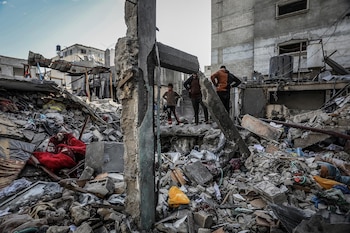
The current situation in Gaza has drawn significant international attention, particularly in light of the recent operations announced by the Israeli government. As tensions continue to escalate, Egypt has taken a firm stance by condemning these developments, which it views as a violation of international law. In an official statement, the Egyptian Foreign Ministry expressed its rising concerns regarding the implications of the Israeli operations on both regional stability and the humanitarian situation in Gaza.
Egypt’s Strong Opposition to Israeli Military Operations
Egypt’s condemnation stems from its interpretation of the Israeli government’s actions as a “contempt for the mediators and the agreement of high the proposed fire.” The ministry highlighted that these steps would not only exacerbate the current tensions but would also deepen the illegal occupation of Palestinian territories. Egypt’s Foreign Ministry emphasized that such actions represent a “flagrant” violation of international agreements aimed at restoring peace in the region.
“We strongly condemn the Israeli policies that expand the occupation and systematic crimes against innocent civilians,” read the statement. The ministry pointed out the ongoing forced displacement of Palestinian people from their land, an act that only serves to intensify the crisis the region has been grappling with.
International Law and Humanitarian Rights
The Egyptian authorities underscored the importance of recognizing that Israel’s actions are ignoring international demands for peace. They expressed deep concern over the continuous suffering endured by the Palestinian people over the last two years, marked by what they termed “atrocious violations.” This ongoing conflict represents a significant challenge for international law and humanitarian rights, as innocent lives remain caught in the crossfire.
Egypt urged the international community to take robust action to halt the violence and help restore stability in Gaza. According to officials, the failure of the global community to intervene effectively could lead to a further deterioration of the situation.
Potential Consequences of Increased Violence
The Egyptian Foreign Ministry warned that ongoing military operations would likely lead to a rise in violence, affecting not only Gaza but the broader region. The ministry asserted that such arrogant measures serve only short-term political interests and undermine the international judicial system’s authority. This unsettling prediction has prompted calls for urgent intervention.
“Egypt warns that these arrogant measures… only serve to weaken the international judicial system,” the ministry stated, clearly indicating the potential long-term repercussions of ignoring the situation. The statement concluded with a call for the United Nations Security Council to fulfill its responsibilities in upholding international peace and security, urging them to take decisive steps to prevent further escalation.
Global Diplomatic Efforts and Urgent Calls for Action
With the situation deteriorating, Egypt has highlighted the necessity of global diplomatic efforts aimed at ending the violence and ensuring the protection of vulnerable populations in Gaza. Egyptian officials emphasized the importance of international cooperation and urged diplomatic channels to engage more effectively to resolve the ongoing conflict.
Calls for action from different countries and organizations have echoed Egypt’s sentiments, suggesting that a unified response is crucial to address the complexities surrounding the Israeli-Palestinian conflict. The international community must take a stand against any actions that compromise peace and stability in the region.
In conclusion, the escalation of violence in Gaza necessitates immediate attention from the international community. Egypt’s condemnation of Israeli military operations is not only a reflection of its position but also a call to action for all countries committed to peace and justice. The situation demands urgent and coordinated responses to mitigate the humanitarian crisis and foster a path toward lasting peace in the region. Without prompt intervention, the cycle of violence may continue indefinitely, affecting generations to come.