
Amazon’s Bold Move: Transitioning Fire Tablets to Open Android
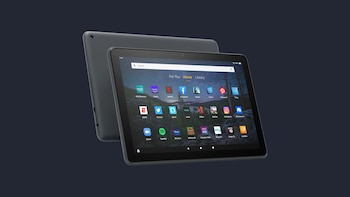
The next generation of tablets Fire from Amazon could mark a significant shift in the company’s strategy. According to sources cited by Reuters, the e-commerce giant is preparing to launch a high-end tablet that would, for the first time, operate on the open version of the Android operating system.
This change, planned for 2026, follows years in which Amazon has utilized a modified version of Android, developing its own system and application ecosystem known as Fire OS.
Since their debut in 2011, Fire tablets have operated under Fire OS, a software that required developers to adapt applications specifically for Amazon’s own app store. This commitment to a closed system has restricted users’ access to a variety of apps and updates, complicating the work of developers and reducing the variety in the store.
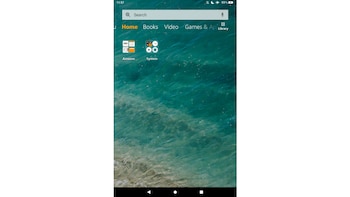
Jitesh Ubrani, a researcher at IDC, commented: “Consumers have consistently expressed concerns about not having access to the latest Android versions or a wide range of apps due to Amazon’s proprietary store. For developers, this poses an additional hurdle in a landscape dominated by free apps.”
Despite these limitations, Amazon has sold millions of tablets, focusing on affordability and seeking profitability through the sale of digital content like books, music, and movies. Currently, the company ranks fourth globally in tablet sales, holding an 8% market share, just behind Lenovo (8.2%), and trailing leaders Apple and Samsung, which dominate with 33.1% and 18.7%, respectively, according to IDC data from the second quarter.
The initiative to integrate the standard Android operating system into its devices, internally referred to as “Kittyhawk”, represents a philosophical shift for the manufacturer, which has traditionally opted for its proprietary solutions or strategic acquisitions. This change aims to attract users seeking more compatibility and access to broad services on the Android platform. To succeed, Kittyhawk will make future Fire tablets more appealing to those who value integration with the Android ecosystem and the availability of applications without stringent restrictions.
The models being developed under this initiative will target a higher segment of the market, and sources indicate that they could be priced around USD 400, nearly double the cost of the Fire Max 11, which is one of the most advanced models currently in Amazon’s lineup. In comparison, Apple’s iPads range from USD 350 to USD 1,200, depending on configuration and capabilities. At this point, specific technical details about screen size, memory, or sound quality have not been revealed.
This openness towards rival platforms is also evident in other recent actions by the company, such as utilizing AI software Claude, developed by startup Anthropic, to enhance both Alexa+ and internal tools. Concurrently, Amazon plans to maintain its line of budget tablets, some of which will employ Vega, a Linux-based operating system already in use on select Fire TV devices.
The internal codename for the project, Kittyhawk, pays homage to the historic town in North Carolina where the Wright brothers made humanity’s first powered flight in 1903. Additionally, it coincides with a failed flying car startup financed by Larry Page. While Amazon has chosen not to comment on the specifics of this shift, the transition to an open-source Android system signals a potential transformation for the future of Fire tablets and their digital services.