
Spain’s Renewable Energy Revolution: Abundance Meets Challenge
Spain has emerged as a pioneering force in the realm of renewable energy, boasting extraordinary achievements in solar and wind energy production. Recent statistics show that in spring, for the first time, the country covered 100% of its electricity demand with clean energy. As reported by Electric Red Data, summer months witnessed record-breaking renewable energy generation, surpassing 13,850 GWh in July alone. However, this remarkable growth harbors a paradox: as the green energy sector flourishes, it confronts intricate challenges that threaten its sustainability.
A Surging Solar Landscape
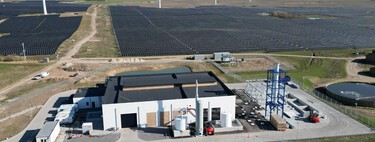
In a mere five years, Spain has transformed from a renewable energy underperformer to the second-largest installer of solar capacity in Europe, trailing only Germany. Despite this meteoric rise, the ramifications of an energy surplus have become increasingly evident. According to data cited by the Financial Times, wholesale electricity prices fell to zero—or even dipped into negative territory—for roughly a third of May. This meant that while abundant solar energy flooded the market at midday, the network couldn’t manage demand once the sun set, leading to sudden price spikes.
Breaking Historical Norms
Spain’s shift away from fossil fuels is significant; for the first time in over 140 years, it went weeks without generating electricity from coal, marking a milestone in its energy transition. This shift underscores the country’s commitment to becoming a global model in renewable energy. However, this rapid transition poses challenges to the sector’s profitability. Projects once valued at €200,000 per megawatt (MW) have plummeted to between €28,000 and €89,000 per MW, resulting in a “fire sale” wave and increased market volatility.
The Infrastructure Dilemma
The rapid expansion of renewables has outpaced the development of essential infrastructure. Since 2020, for every dollar invested in solar and wind plants, Spain has allocated just $0.30 to reinforce its electrical networks, significantly lower than the European average of $0.70. This imbalance has created bottlenecks in the system, particularly in regions like Cáceres, Badajoz, Toledo, and Ciudad Real. In July, over half of the energy produced was curtailed, resulting in wasted capacity of approximately 392 GWh.
Low storage capacity compounds these issues. As the sun sets, photovoltaic production diminishes while demand often remains high, necessitating reliance on gas—whose costs surged in global markets. Amidst these challenges, electricity prices rose, reaching an average of €164/MWh in July, leading to a monthly increase of €20 to €25 on consumer bills compared to the previous summer.
Environmental Impact and Political Ramifications
The summer heat waves have only intensified structural challenges. With electrical demand soaring by 14% in June, the country’s aging nuclear and thermal plants struggled as rivers became too warm for effective cooling. While France was notably impacted, Spain wasn’t immune to this strain.
In an effort to address some of these challenges, the Spanish government proposed an “anti-apagon” decree aimed at strengthening the grid and enhancing energy storage. Yet, in a twist of irony, this initiative faced rejection in Congress on July 22, interspersing politics with the pressing need for an upgraded energy infrastructure.
Navigating New Avenues
Market players continue to seek solutions amidst uncertainty. Long-term power purchase agreements (PPAs) are gaining popularity, bolstering stable pricing for corporate clients. For instance, the Zelestra project in Belinchón partnered with major pharmaceutical companies like Takeda and Teva, taking advantage of an average PPA rate of around €39/MWh in Spain.
Furthermore, large tech firms are eyeing Spain for potential investment in data centers, drawn by the promise of cheap energy. However, these developments must navigate the bottlenecks of slow permitting processes and inadequate network connection points.
A Global Context
Spain’s situation is not unique. The need for improved infrastructure extends beyond its borders; Germany is looking to upgrade over 14,000 kilometers of high-voltage lines, while the U.S. has 1,000 GW of renewable projects awaiting grid connection. The global narrative illustrates that inadequate infrastructure poses a common challenge to countries committed to renewable energy transitions.
Looking Ahead
While Spain has immense potential for clean energy, the road ahead requires critical attention to its electric grid and storage capabilities. As articulated in the Financial Times, the crux of the issue is not that Spain has accelerated its renewable efforts, but that it has lagged in enhancing its networks. The future of the energy transition rests not solely on increasing solar panel installations but on building robust infrastructures that can harness this clean energy abundance, ultimately achieving lower energy costs for consumers. The invisible wall of challenges looms large; the pressing question is whether Spain can effectively dismantle it before it hampers progress in the renewable sector.
In conclusion, as Spain navigates its transformation into a renewable energy powerhouse, the balance between ambition and infrastructure becomes increasingly critical. Stakeholders must address these challenges to ensure a sustainable energy future, turning potential obstacles into opportunities for innovation and development.