

The Struggle for Authenticity: Protecting Parmesan Cheese
Gouda, Manchego, Cheddar, Roquefort, and Parmesan—these cheeses are more than just culinary delights; they represent culture, tradition, and even distinct countries. Their significance is so profound that the European Union established the DOP seal (Denomination of Protected Origin) to protect these traditional foods. However, outside the EU, many products are misidentified under the DOP label, often misleading consumers and diluting the authenticity of these cherished cheeses.
The Parmesan Predicament
Parmesan cheese is notorious for being one of the most reproduced cheeses globally. Unfortunately, this imitation is spurred not by a desire to replicate its rich flavor but by the prestige and market value associated with it. True Parmesan is often used in beloved recipes, from classic pizzas to gourmet pastas, commanding a premium price compared to other cheese varieties.
A troubling reality is that much of the Parmesan sold outside Europe does not meet the strict standards required to earn the genuine name. In the United States and Latin America, numerous cheese products labeled as “Parmesan” bear no relation to authentic Parmigiano Reggiano Dop. In fact, estimates suggest that 90% of products sold as “Parmesan” do not meet these rigorous standards, often made from cheaper ingredient mixtures that may even contain wood fibers.
The Economic Impact
This market of imitation Parmesan generates an astounding $2 billion annually, substantially overshadowing the revenue generated by authentic Parmesan, which totaled $3.2 million in 2024, as reported by various industry sources. This disparity not only damages the economic integrity of producers of authentic Parmesan but also misleads consumers who expect high quality for their investment.
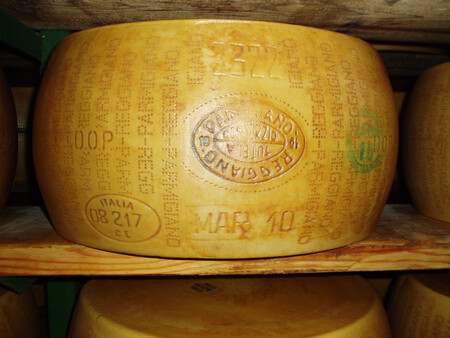
To combat this problem, Italian consortiums have worked on various fronts, blocking attempts to label non-DOP products as Parmesan but often falling short. The rise of technology aims to provide a viable solution.
Microchips: The Future of Cheese Authentication
Microchips have entered the cheese industry as a pioneering measure to safeguard the integrity of Parmesan cheese. The cortex of actual Parmesan wheels, typically non-consumable but useful for soups and sauces, is integrating QR codes. These codes allow traceability of the product, revealing its origins and quality.
In an innovative move, microchips developed by the American company P-chip are being embedded into the cheese labels. Each chip contains a unique code that tracks crucial information such as the origin, production date, place of production, and source of milk.
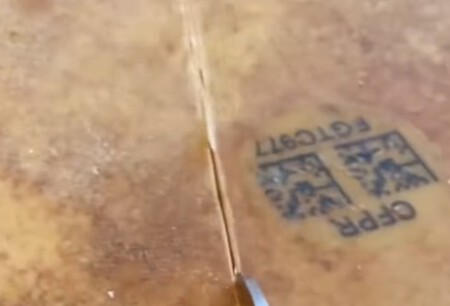
This traceability not only assures consumers of the authenticity of the Parmesan cheese they purchase, but also grants producers the means to fight fraud effectively. Despite being in contact with the cheese, security tests have confirmed that these microchips pose no toxic risks and can be easily removed if necessary.
A Standard for Quality
Currently, the microchip technology has been implemented in approximately 120,000 of the four million wheels of Parmigiano Reggiano produced annually, with plans for widespread adoption across the industry. This technology heralds a significant step towards maintaining the economic value and authenticity of Parmesan cheese.
Given that the DOP seal does not offer protection against fraudulent practices outside the European Union, initiatives like microchip tracking and QR code integration promise a level of security and authenticity that aligns with the consumer’s expectations of quality.
As Parmesan cheese sets a precedent, other products with protected designations, such as Grana Padano or various Spanish and French cheeses, may potentially adopt these technologies as well.
The battle against imitation cheese is not only about maintaining traditions but also about ensuring that consumers receive the high-quality products they are led to believe they are purchasing. The struggles of the Parmesan cheese industry serve as a broader lesson about preserving authenticity in food production while adapting to modern challenges with innovative solutions. As technology continues to progress, so too does the fight for quality and tradition in the culinary world.