
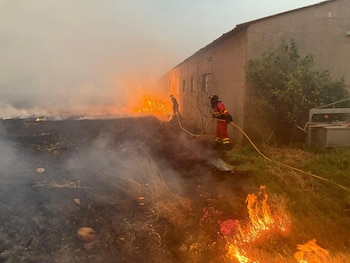
Understanding Spain’s Wildfire Crisis: Coordination and Government Response
The ongoing wildfire crisis in Spain has raised significant concerns regarding the management and coordination efforts among various governmental levels. According to Interior Minister Fernando Grande-Marlaska , effective crisis management is pivotal, and he has emphasized the importance of inter-adminstration collaboration in combating the wildfire’s destructive impact.
Understanding the Responsibilities of Regions
In a recent interview with RNE’s ’24 hours’ program, Grande-Marlaska reiterated that while the autonomous communities have a primary role in managing fires, they have the option to request national support if they face challenges beyond their capabilities. The Minister pointed out that regional governments are primarily responsible for civil protection, stating that they need to assess whether they possess adequate resources for effective firefighting. If they find themselves overwhelmed , they can ask the government for a declaration of national emergency .
“The decision lies with the autonomous communities to determine whether they can manage the crisis independently,” Marlaska remarked. He added that when circumstances deteriorate, it is crucial for these communities to act swiftly and seek assistance from the national government. This synergy can potentially mobilize additional resources required to control the fires.
Communication with the European Union
Marlaska also assured that the European Union is kept informed about Spain’s fire situation. This communication is vital for facilitating European aid if circumstances worsen. “The Union is aware of our situation, and, should we face further complications, a request can be made for additional support,” he noted. By establishing such relations with the EU, Spain positions itself better to secure necessary assistance in times of need.
The Role of Local Authorities
The importance of local authorities cannot be overstated. They play a critical role in the initial response to wildfires. As regional governments hold the principal responsibility for civil protection , their actions in the initial stages of a fire can be decisive. It is within their jurisdiction to allocate resources efficiently, making real-time decisions that can either mitigate or exacerbate the crisis.
Public Awareness and Engagement
Citizen engagement is another essential aspect of managing wildfire crises. Public awareness campaigns about prevention and safety measures can significantly reduce risks. Authorities must ensure that residents are informed about fire warnings, evacuation procedures, and safety protocols. Awareness will not only safeguard lives but also aid authorities in their firefighting efforts.
“Fires often start in areas that may appear manageable until an unfavorable wind ignites them,” explained Marlaska. This reality underscores the need for increased education on fire prevention measures and collaboration among communities to address potential fire hazards effectively. Regional programs aimed at educating the public on fire safety can play a significant role in preparedness.
Future Considerations
Looking ahead, Spain’s approach to wildfire management may require reevaluation and adaptation of existing strategies. With changing climatic conditions and increased susceptibility to fires, authorities must remain vigilant and responsive. Investing in advanced technologies, better training for firefighting personnel, and enhancing local infrastructure could yield long-term benefits in managing and extinguishing wildfires effectively.
In conclusion, the complex dynamics between regional authorities and the national government play a pivotal role in extinguishing wildfires in Spain. With the added layer of European Union support, collaborative strategies can bolster efforts to manage crises arising from wildfires. As the climate continues to change, it remains imperative for the Spanish government to strengthen its commitment to fire prevention and response measures to minimize the risks associated with these devastating events.