
The Association Victims of Terrorism (AVT) vs. ETA Supporters: A Controversial Mobilization
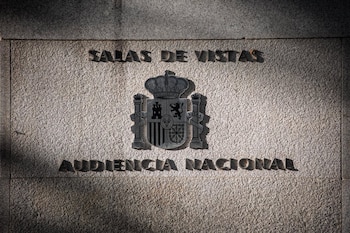
In a significant development concerning the fragile landscape of Spanish politics, the Association Victims of Terrorism (AVT) has made a fervent appeal to the National Court. They are seeking to prohibit a mobilization organized for the 22nd of this month by Sare and the comparsas of Bilbao. This event is aimed at advocating for the “return to the house of prisoners, exiles, and deportees” of ETA, the Basque separatist group notorious for its history of violence.
The AVT’s statement, released on Wednesday, echoes a sentiment of deep concern. They urge that the “trades are addressed to the Civil Guard and National Police to issue reports on formal calls in themselves.” Their assertion implies that illegalized organizations may be lurking behind the mobilization, warranting rigorous scrutiny and a proactive response from law enforcement agencies.
The AVT positions the call for the mobilization as “a clear example” of a phenomenon they describe as the “bleaching of terrorism through language.” They argue that using terms like “return to the house of prisoners” implies a sense of impunity. They firmly believe that advocating for the immediate liberation of those convicted of terrorism undermines the gravity of their crimes and the quest for justice by victims. The organization adamantly states, “There are no refugees or deportees; they are terrorists who, having pending accounts with justice, choose not to return to Spain.”
The Stakes of Language: Revictimization of the Affected
The AVT’s statement underscores the importance of language in the political discourse surrounding ETA and its legacy. They argue that referring to ETA’s actions as part of a broader “conflict” is deeply problematic. “There has been no conflict,” they assert, contending that the terminology used to describe the situation only revictimizes the victims of terrorism. The association highlights that framing the violence of ETA as a two-sided struggle diminishes the culpability of the terrorists while unfairly complicating the narrative for the victims.
Their position is clear: “the violence of ETA falls solely on the terrorists and those who support them from the institutions.” This statement emphasizes a need for accountability and recognition of the victims’ suffering, driving home the point that minimizing the actions of ETA is an affront to those who have endured violence.
A Call for Action: Demands for Legislative Measures
In a further twist, the AVT is not only calling for the mobilization to be prohibited; they are demanding effective measures from the Basque Parliament to sanction such acts. They view the planned mobilization as a significant insult—”trampling dignity and denigrating” the victims of terrorism. The association maintains that victims have every right to navigate the streets of Bilbao without feeling humiliated.
Drawing attention to the societal implications of such mobilizations, the AVT states, “the message is launched that killing and extorting was well, and the convictions imposed in the courts are wet paper.” This stark statement reflects their concern that allowing such public displays to go unchallenged could normalize violence and dilute the severity of past crimes.
They highlight the existing legislative proposal in the Basque Parliament, introduced back in May, aimed at sanctioning acts that glorify or justify terrorism. Their assertion, “approving it is just a matter of political will,” adds a layer of urgency and calls into question the commitment of political leaders to victims’ rights and the rule of law.
In conclusion, the mobilization planned for the 22nd represents not merely a clash between political ideologies but a broader battle over the narrative surrounding ETA’s violent past. While the AVT contends that the lives and memories of its members must be honored and respected, organizers of the mobilization argue for a different interpretation of history. Ultimately, it highlights the complexities and sensitivities involved in addressing the remnants of violence that continue to shape people’s lives in Spain today.