
The Unlikely Culprit: Jellyfish Shut Down One of France’s Largest Nuclear Power Plants
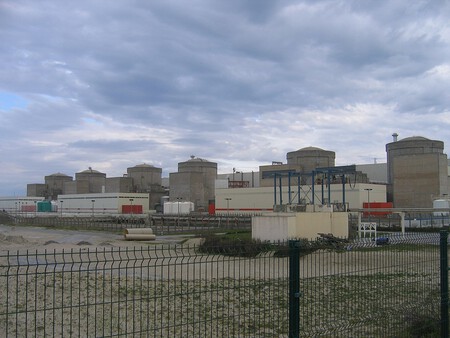
In a bizarre turn of events, jellyfish have caused the shutdown of several production units at one of France’s largest nuclear power plants. Specifically, the Gravelines Nuclear Power Plant, operated by Électricité de France (EDF), has had to pause the operations of four of its six reactors due to an influx of jellyfish in its water intake systems.
What Happened at the Gravelines Nuclear Power Plant?
According to a statement released by EDF, which can be found here, the disruption occurred due to an “unpredictable presence” of jellyfish clogging the water pumps. The initial disconnection involved production units 2, 3, and 4 on Sunday night, followed by unit 6 on Monday.
Impact on Operations: Safety First
These automatic shutdowns were executed following safety protocols designed to protect the reactors. EDF insists that at no point was there any danger posed to the safety of the facility, its workforce, or the surrounding environment. The plant’s operations team promptly mobilized to diagnose and implement necessary interventions to safely restart the affected production units.
Initially, as reported by Swiss Info, it was anticipated that operations could resume on Thursday. However, that target seems unlikely to be met, with current estimates suggesting that only one of the four now-shut units could be operational soon, with the others gradually coming back online through Friday.
The Jellyfish: What Are They?
While EDF did not specify the exact species, a report from Reuters indicated that the jellyfish responsible for this incident could be Rhizostoma pulmo , commonly called the “Aguamala.” This species has been on the rise lately, potentially due to the warmer sea temperatures this summer, which favor jellyfish reproduction and longevity. Additionally, currents may have pushed these gelatinous creatures closer to the power plant’s intake systems.
A History of Jellyfish Disruptions
This is not the first time jellyfish have interfered with operations at the Gravelines Nuclear Power Plant. A similar incident occurred in the early 1990s. The phenomenon is not isolated to France; other facilities around the globe—including those in the United States, Scotland, Sweden, and Japan—have faced comparable challenges in recent years. Experts cite water warming and overfishing , particularly of tuna, as contributing factors to the increase in jellyfish populations.
Significance of the Gravelines Plant
The Gravelines Nuclear Power Plant is vital to France’s energy infrastructure, housing six units capable of producing 900 megawatts each. Collectively, the plant generates approximately 5.4 gigawatts of electricity. Plans are in place to upgrade the facility by adding two new EPR2 reactors by 2040, further cementing its importance in France’s energy landscape.
As we consider the challenges posed by climate change and evolving marine ecosystems, this incident serves as both a warning and a lesson. It highlights the unpredictable nature of our environment and how it can affect even the most technologically advanced systems. The interruption caused by these jellyfish reminds us that while we may strive for efficiencies and advancements in energy production, we remain at the mercy of the natural world. The situation also raises questions about our preparation for unexpected events and the fundamental ways in which humans interact with nature.
The jellyfish phenomenon, while fanciful in its implications, is a real issue that deserves our attention as we move forward in energy production. Solutions may need to be implemented proactively, taking into account the potential impacts of climate variations on marine life that could disrupt our technological infrastructures.
Images | Joel Filipe (UNSPLASH), EDF and Wikipedia
In Xataka | SMR reactors were supposed to save nuclear energy. The first of the West for now is far from it.