
The United Nations Secretary-General , António Guterres, recently described the unfolding violence in Syria as “extremely disturbing.” His comments came in light of shocking images that circulated on social media depicting an armed assault on a hospital located in Sueida, a city in the southwest of the country. This assault, which occurred on July 16, allegedly resulted in the execution of a medical worker, further compounding the urgent humanitarian concerns in the region.
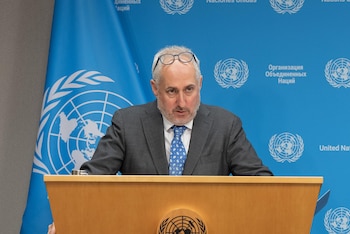
According to UN spokesperson Stéphane Dujarric , the organization is deeply troubled by the reports of violence, particularly against healthcare facilities and personnel, which are supposed to be sanctuaries in times of conflict . He noted that the transitional authorities in Syria have condemned the acts and announced the initiation of an investigation into the events. This raises a glimmer of hope that those responsible may be held accountable for their actions.
The distressing events at the National Hospital of Sueida were captured by security cameras and show armed individuals entering the facility and reportedly detaining dozens of people. Among them was Mohamed Bahsas , a well-known volunteer member of the medical staff, who was reportedly assaulted and shot in the incident. The Syrian Observatory for Human Rights and local media sources identified the attackers as affiliated with the Security Forces under the ministries of Interior and Defense in Damascus, raising alarming questions about the role of state actors in perpetuating violence.
Compounding the crisis, the UN Security Council issued an urgent warning regarding escalating clashes in the region, which have reportedly forced approximately 192,000 individuals to flee their homes. In a collective statement, the 15 member countries condemned the ongoing violence against civilians and called for all parties involved to respect the ceasefire agreement that was announced in mid-July, one that was established to mitigate violence from Bedouin conflicts linked to the government in Damascus.
Despite the announced truce, the situation has deteriorated, with ongoing clashes reported in the area. It has been estimated that around 500 individuals have had to evacuate, and violence has caused over 1,500 deaths since the conflict reignited in mid-July, including the tragic execution of 349 individuals . The distressing patterns of violence illustrate the fragility of the ceasefire and the dire need for sustained humanitarian efforts and political dialogue.
As the international community watches these events unfold, there is a palpable concern about the ramifications of such violence on the already suffering civilian population. The UN’s insistence that those responsible must be brought to justice speaks to a broader need for accountability in regions plagued by war crimes and systemic abuses of power.
The international response will likely play a crucial role in shaping the next steps in Syria’s tumultuous transition. As continued reports of human rights violations emerge, the urgency for effective intervention and support for humanitarian initiatives becomes increasingly critical. The call for global cooperation in addressing the ongoing disaster cannot be overstated.
The increased violence and instability serve as a stark reminder that the humanitarian crisis in Syria is far from over. Without targeted actions that prioritize effective governance, protection of human rights, and sustainable peace efforts, the cycle of violence may persist, leaving untold suffering in its wake. As various factions remain locked in conflict, the need for compassion, understanding, and unwavering support for the victims of this crisis remains an essential focus for both national and international stakeholders.