

The Silent Crisis Facing Our Beaches
The deteriorating conditions of our beaches extend far beyond visible signs of algae or debris. A more pressing concern is the alarming rate of coastal erosion . This phenomenon threatens not only the beauty of our shorelines but also the very existence of beaches across the globe. As urban development encroaches on natural landscapes and the impacts of climate change exacerbate the situation, we are potentially heading toward a future where our beloved beaches could vanish entirely.
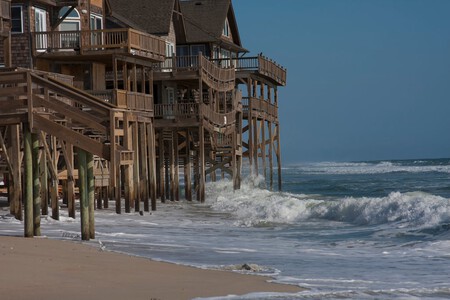
Global Threats to Shoreline Stability. Recently, I came across an insightful report in The Financial Times, highlighting the dire conditions in places like Rodanthe, located in North Carolina’s Outer Banks. Here, several homes have been swallowed by the sea , a stark manifestation of the erosion crisis that is impacting numerous coastal communities.
Factors such as more frequent storms , severe tides , and rising sea levels attributed to climate change intensify these challenges. However, a critical factor often overlooked is the increasing scarcity of sand , an essential resource that serves as a natural barrier against floods and storms. The demand for sand has surged, particularly for the construction industry, pushing prices up and making it less available.
The Ineffectiveness of Beach Renourishment. One common approach to combat erosion has been beach renourishment , which involves relocating sand from other locations. However, in Rodanthe, the initial expense for such measures could surpass $40 million , a staggering amount for the local municipality. This dilemma leaves communities with limited options: either to withdraw infrastructure from the coast or to gamble on the unpredictable whims of nature.
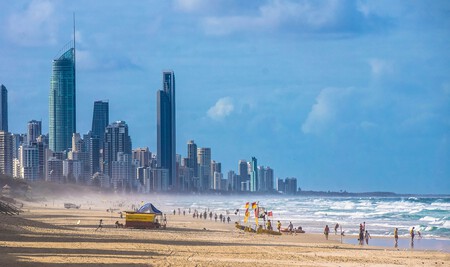
Erosion: A Structural Challenge. Major cities like Miami , Barcelona , and the Gold Coast in Australia are continually grappling with sand losses that jeopardize their tourist-dependent economies. In Barcelona alone, around 30,000 cubic meters of sand are lost each year, worsening during storms. Although efforts such as building dikes and breakwaters are underway, the problem of erosion continues unabated.
For instance, the Gold Coast faced significant challenges when Cyclone Alfred hit in March, stripping away substantial amounts of sand and exposing parts of the retaining wall. The cost to restore this crucial coastal area is projected to take three years and require about 40 million Australian dollars . This issue is not just localized; nearly 10% of the global population resides within 5 kilometers of the coast , compounding the urgency of our approach to managing coastal areas.
Shady Sand Practices. Scientists have repeatedly warned that artificially sustaining beaches has become increasingly costly and complex. In certain instances, allowing the coastline to naturally migrate inland may prove more effective, albeit laden with social and political challenges. The situation is critical , and necessary adaptations will need to be made.
The Complex Challenge of Sand Provisioning. Renourishment offers certain benefits compared to rigid structures like retaining walls, which may exacerbate erosion in adjacent areas. Yet its effects are temporary, with the duration often hinging on local conditions and environmental stressors. In the United States, nearly 600 beaches have undergone such renourishment processes, with maximum sand contributions reaching 50 million cubic meters as recently as 2019.
However, sourcing appropriate sand is fraught with difficulties. North Carolina is running low on local sand supplies, while in Miami, sand must be transported from inland areas. Additionally, environmental concerns related to marine ecosystems often cause significant delays in projects. The vulnerability of these beaches to powerful storms complicates the investment equation.
Looking Ahead: Strategies and Solutions. In countries like the Netherlands , where moderate erosion is combined with abundant sand reserves, beach renourishment is a government policy . The nation invests around 0.3% of its GDP annually into flood risk management, safeguarding not just beaches but entire cities. In contrast, regions facing severe erosion and financial constraints might find planned retreats their only viable option.
In Rodanthe, for instance, the National Parks Service has resorted to buying and demolishing homes to return land to public use, but funds for further acquisitions are limited. Local residents are beginning to accept that they live in a “land of migrating sands” and are preparing to sell when encroachment by the sea becomes more evident.

A Race Against Time. Looking into the future, the escalating scarcity of sand coupled with rising levels of coastal erosion reflects a grim reality for many communities. While beach renourishment remains a favored option to protect local economies, its physical, environmental, and financial limitations demand a reassessment of our strategies. The ongoing dilemma will be balancing the escalating costs of shielding coastlines versus allowing nature to reclaim its territory. The trajectory we choose will significantly influence the stability of inhabited coastal regions.
Image credits: Pxhere, Public Domain Pictures, Petra
In Xataka | Xàbia is attempting to manage chaos and crowds in its most popular coves, but results have been mixed.
In Xataka | The overwhelming presence of Asian algae on Spanish shores has become a significant environmental issue.