
The Tragic Loss of Suleiman al-Obeid: A Palestinian Footballer
This Wednesday, the Palestinian Football Federation announced the heartbreaking news of the death of former international Suleiman al-Obeid, who was tragically killed in Israeli strikes in the Gaza Strip while waiting for humanitarian aid. This incident not only highlights the ongoing conflict but also underscores the profound human cost of war on those who strive to find solace in the world of sport.
Suleiman al-Obeid, affectionately known as the “Palestinian Pele,” proudly represented his nation with a total of 18 selections to the national team. His passion for football and dedication to his community made him a beacon of hope for many. His unexpected passing has left a significant void in the hearts of his fans and fellow players alike.
Remembering a Local Hero
In a sport that often transcends borders and unites people across diverse backgrounds, Suleiman al-Obeid’s life was a testament to the power of football as a unifying force. Throughout his career, he demonstrated unparalleled skill as a forward, mesmerizing crowds with his agility, precision, and the ability to score under pressure. His contributions to Palestinian football were not just limited to his accomplishments on the pitch; they extended into the community, where he inspired countless young talents to chase their football dreams amidst adversity.
The Palestinian Football Federation has vowed to honor Suleiman’s memory and contributions to the sport. They are actively working to promote youth programs aimed at fostering talent in the region. This initiative signifies the desire to keep his legacy alive, especially in a landscape marred by political tension and instability.
International Reactions
Following the announcement of al-Obeid’s death, various football organizations and players took to social media to express their condolences. The Union of European Football Associations (UEFA) offered its condolences on social media, stating, “A talent that has given hope to countless children, even in the darkest moments.” This brief tribute encapsulates the sentiments of many who viewed Suleiman as a symbol of hope.
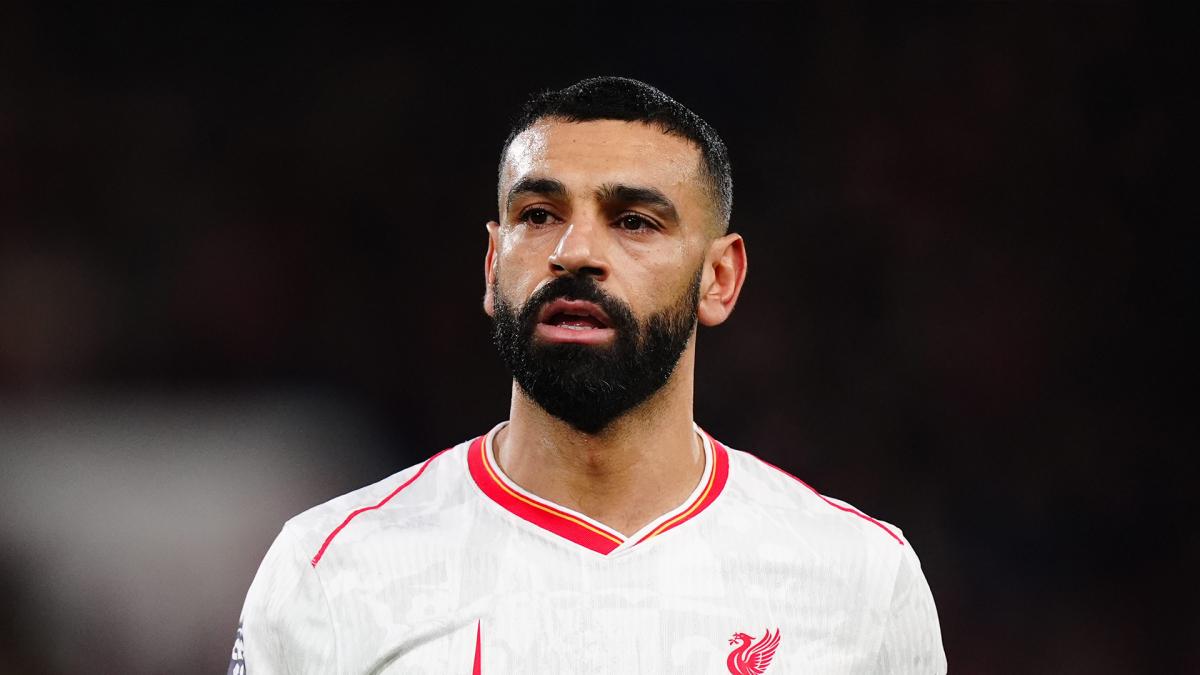
One of the most poignant reactions came from Mohamed Salah, the Egyptian football star known for his humanitarian efforts as much as for his incredible talent on the pitch. In a powerful post on his X account, he challenged the circumstances surrounding al-Obeid’s death, asking, “Can you tell us how, where, and why he is dead?” Salah’s statement resonated globally, prompting discussions about the protection of individuals in conflict zones, especially those pursuing their passions.
The Impact of the Conflict
The tragic circumstances surrounding Suleiman al-Obeid’s death reflect the broader context of the Israeli-Palestinian conflict, where civilians often bear the brunt of military actions. The loss of such a promising talent is a stark reminder that war not only takes lives but also extinguishes the dreams of youth.
Football, as a global sport, brings people together, allowing players and fans to celebrate their love for the game regardless of their backgrounds. However, in regions where conflicts are prevalent, the beautiful game can become a mirage of hope, often shattered by violence. Suleiman’s passing serves as a plea for the need for peace and understanding in a world often divided by conflict and animosity.
Looking Towards the Future
As tributes continue to pour in for Suleiman al-Obeid, the football community is called to reflect on the impact of conflict on sports and the lives of athletes. Football has the unique power to unite people and foster conversations about important issues. As the world remembers Suleiman, it is essential to advocate for safer environments where athletes can pursue their dreams without fear.
Moreover, this incident highlights the need for ongoing efforts to provide humanitarian assistance to those affected by conflict. By facilitating support to athletes and communities in war-torn areas, the global football community can play a vital role in rebuilding lives and instilling hope in future generations.
In this time of mourning, it is vital for the football community and the world to stand in solidarity with Palestine, honoring not just the legacy of Suleiman al-Obeid, but also ensuring that his story inspires positive change. The world must strive to provide a safer place for all, where aspiring young footballers can play, dream, and thrive without the shadow of conflict looming over their aspirations.