
The Absurd Evolution of Horsemaning: A Journey Through Time
Before the Internet transformed communication, people were not devoid of absurd antics; they merely lacked a vast audience to witness their folly. The age of analog memes birthed peculiar fashions that spread via word of mouth, captivating the curiosity of many. One such precursor to modern viral trends is the phenomenon known as Horsemaning, a whimsical form of play that humorously mimics decapitation.
What Exactly is Horsemaning?
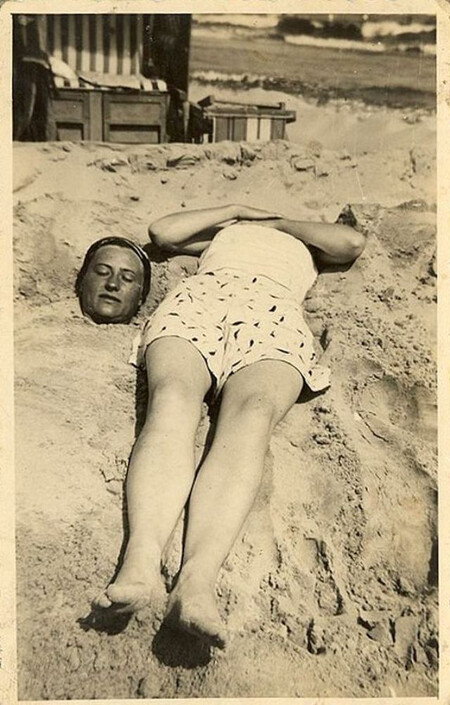
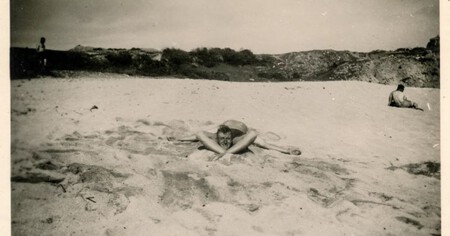
Horsemaning is a photographic trick where individuals pose as though they have been decapitated . The illusion requires two participants: one person poses as the body, aligning their torso to create an angle that obscures the neck, while the other pretends to be the head, seemingly resting on a table or partially buried in sand. The humor arises from the clever setup and the participants’ exaggerated expressions, which often elicit laughter.
Connecting to Culture: The Headless Horseman
The term Horsemaning draws inspiration from the iconic Legend of Sleepy Hollow written by Washington Irving, a classic tale from 1820. This story, filled with vivid imagery, features a headless horseman who haunts the night, perpetuating itself in the cultural psyche, especially during Halloween. The connection between this eerie figure and modern viral trends is undeniable, illustrating how folklore evolves into contemporary memes .

Victorian Roots of Absurdity
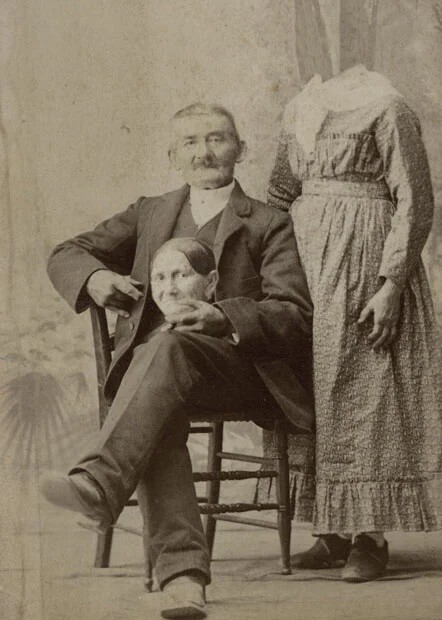
The origin of macabre humor and tricks can be traced back to Victorian England, where photography was in its infancy. Captivated by the new invention, people ventured into strange and experimental territory, from family portraits to the beginnings of questionable content. During this era, photographers utilized tricks like overlays and multiple exposures to create puzzling images, paving the way for what would later inspire Horsemaning .
The Modern Resurgence of Horsemaning
In 2011 , the re-emergence of Horsemaning gained traction alongside other bizarre photographic trends like Planking and Owling . This was a time when social media platforms, particularly Facebook , became the primary channels for sharing these quirky snapshots. These peculiar poses showcased a digital innocence , reminiscent of a time before the saturation of manipulation and filters that characterize today’s online culture.
As the boundaries of creativity continue to stretch, it’s essential to recognize the legacy of such trends. The enduring appeal of Horsemaning serves as a testament to the human inclination toward humor, creativity, and the shared joy of absurdity. This phenomenon is a fascinating reflection of our collective cultural expression across generations.