
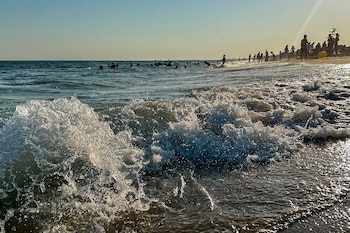
Just 90 seconds are enough for a person to drown in the water. In that brief period, the respiratory tract obstructs, and oxygen stops entering the body. This leads to loss of consciousness and, in a few minutes, can lead to brain damage or death if immediate assistance is not received. This danger is reflected in the figures recorded until July 31 in Spain: 302 people killed by drowning in aquatic spaces, which translates to the worst data since 2015 , according to the Royal Spanish Federation of Rescue and Rescuers (RFES). This alarming situation is attributed primarily to a lack of education and prevention in this area.
Among the most common causes that contribute to drowning incidents are recklessness , lack of safety in floats, the consumption of alcohol , dangerous dives, or encountering currents of no return . While these tragic events can occur throughout the year, they are concentrated in the summer months, with 80% of drowning incidents happening during this period.
“It is an alarming figure, especially because many of those 302 deaths were preventable ,” explains Silvia Aranda, spokesperson for SEMS Helplessness (Spanish Society of Emergency Medicine and Emergencies). In contrast to other areas like road safety , where awareness campaigns have made a tangible difference, there is a noticeable absence of similar education in aquatic security . “This lack of education manifests in everyday situations, such as ignorance about the meaning of the red flag at the beach, which indicates that swimming is prohibited due to dangerous conditions,” she adds. Ignoring this warning carries penalties that can reach 3,000 euros , although this depends on local regulations.
“The red flag is akin to a red traffic light : disregarding it poses a real risk. If it flies on the beach, it signifies a genuine danger, making swimming prohibited. Still, some individuals choose to ignore this warning, either due to a lack of knowledge or a preference for swimming in unsupervised areas rather than opting for safer locations,” explains a teacher and researcher at the National Institute of Physical Education of Catalonia (INEF). The RFES has highlighted the concerning number of deaths occurring in unsupervised spaces this year, which include non-urban beaches, rivers, swamps, or reservoirs.
“Knowing how to swim well doesn’t eliminate the risk,” Aranda cautions, as unexpected muscle contractions or health complications can occur, resulting in panic. “This is precisely when problems begin,” she warns.
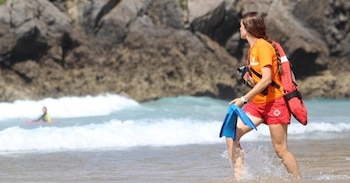
The importance of prevention from an early age through aquatic security training programs cannot be overstated. Such programs should allow individuals to identify risks , respect basic standards in water, and know how to act in emergencies. It is crucial for administrations to actively engage in these efforts, not only after tragedies occur. “ Now is the time to start thinking about prevention regarding drowning and other aquatic accidents,” asserts Aranda. The key lies in ensuring prevention measures are enforced year-round .
Unfortunately, Spain lacks national-level prevention campaigns concerning water accidents. Most measures are localized or regional, lacking the coordinated strategy that the General Directorate of Traffic employs in road safety initiatives. Moreover, campaigns must be tailored to fit different age groups , as risk factors vary significantly among them.
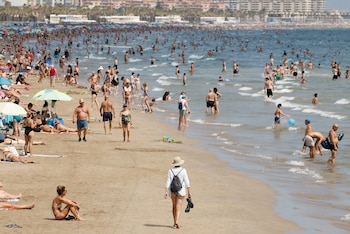
The RFES balance indicates that the most frequent profile among drowning fatalities continues to be that of an adult man , particularly those over 45 years old and of Spanish nationality. However, this summer has observed a “ worrying increase ” in drowning deaths among minors , with 9 fatalities reported in July and 11 in June.
Aranda cautions that monitoring minors in aquatic settings requires constant vigilance, as “drowning is a silent process ” and a brief moment of distraction can lead to tragedy. “Unlike playground accidents, children cannot shout for help when they are in trouble in the water, making adult supervision vital,” she concludes.
For adults, to diminish the risks associated with open water , experts recommend using flotation buoys . These are lightweight, colorful objects that can be worn around the waist. The RFES report indicates that July alone saw 92 deaths , marking it as the most lethal month since data has been compiled in the National Federation Drowning Report. The summer months of May, June, and July resulted in 209 deaths , the highest figures recorded since 2017.
From an autonomous community perspective, Andalusia tops the list with 52 deaths in the first seven months of the year, followed by the Canary Islands and Valencian Community , each with 39 deaths , Catalonia with 36 , and Galicia with 34 . Only Extremadura and Ceuta reported no drowning fatalities to date.
The age group with the highest number of drowning victims in July was 65 to 74 years , accounting for 30 deaths . Furthermore, the age range of 18 to 44 years also recorded 66 deaths , representing 21.8% of the total drowning fatalities thus far in 2025. This alarming trend underscores the urgent necessity for awareness and education regarding water safety for all demographics.