
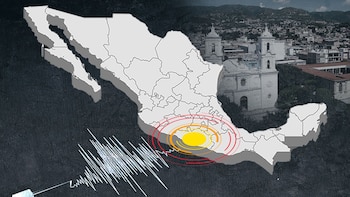
The National Seismological Service reported at 00:48 hours there was an earthquake of magnitude 4.1, located 15 km southwest of San Pedro, Pochutla, at a latitude of 15.633° and a longitude of -96.538, with a depth of 18.5 km.
Tremor in Oaxaca: Earthquake of 4.1 is Recorded in San Pedro Pochutla
The National Seismological Service Confirmed the Details of the Tremor Minutes after Its Occurrence
San Pedro Pochutla was the epicenter of a Magnitude 4.1 earthquake which surprised the residents of the state of Oaxaca on August 4 at 0:48 hours.
This earthquake, albeit moderate in magnitude, has potential implications for residents and the surrounding infrastructure. The National Seismological Service (Servicio Sismológico Nacional – SSN) continuously monitors seismic activity in Mexico, which is part of the Pacific “ Ring of Fire ,” a region with high volcanic and seismic activity.
Seismology and Earthquake Response
Understanding earthquakes is crucial, particularly in regions like Oaxaca, which are susceptible to tectonic movements. Earthquakes occur due to the shifting of tectonic plates beneath the Earth’s surface. When these plates collide, pull apart, or slide against each other, they can cause the ground to shake violently.
Residents have been advised by local authorities to remain vigilant and to have safety measures in place, such as emergency kits and designated meeting points in case of aftershocks. It is also important for residents to be familiar with the Drop, Cover, and Hold On technique, a recommended method for protecting oneself during an earthquake.
Community Preparedness
Effective communication following an earthquake is vital. Local governments and emergency services strive to inform residents about ongoing seismic activity and the necessary steps to take if more tremors are detected. Public awareness campaigns can significantly enhance community preparedness and resilience against future earthquakes.
Since earthquakes are unpredictable, having a robust communication network is essential. This enables local authorities to deliver real-time updates and guidance to the community promptly. Furthermore, educational programs in schools and community centers can empower citizens with knowledge about earthquakes and the preparation strategies they can adopt.
Infrastructure and Damage Assessment
Following the earthquake, assessments are conducted to determine the condition of infrastructure in the impacted areas. Buildings, bridges, and roads need to be checked for potential damages, ensuring public safety and the integrity of essential services. Emergency management teams work in tandem with local officials to facilitate a swift recovery and response, setting a clear protocol for addressing any structural damages that occurred due to the quake.
Response teams are also critical in providing immediate aid and support to those affected by the tremor. This includes medical assistance , food supplies, and temporary housing for displaced residents. The speed and efficiency of these efforts can significantly mitigate the impact of an earthquake on communities.
The Role of Technology in Seismology
Advancements in technology have improved our understanding of earthquakes. The National Seismological Service employs a network of seismographs that detect ground movements and provide data crucial for understanding seismic events. This technology helps in forecasting potential aftershocks and warnings to evacuate high-risk areas when necessary.
As researchers continue to analyze seismic data, it is hoped that better predictive models will be developed to forecast seismic events with greater accuracy. This will empower communities to respond effectively, ultimately reducing loss of life and property during significant seismic occurrences.
The recent earthquake in San Pedro Pochutla serves as a reminder of the importance of being prepared for natural disasters. Enhancing community awareness and infrastructure resilience is crucial in ensuring the safety and well-being of residents in seismically active regions. With appropriate preparedness measures, the impact of future tremors can be minimized, fostering a more resilient and informed populace.