
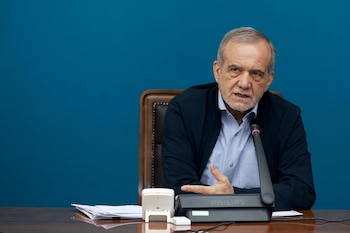
The Iranian authorities recently announced that a groundbreaking visit by President Masud Fishshkian to Pakistan could potentially usher in a new chapter in the bilateral relations between the two nations. This visit was marked by the signing of over a dozen key documents covering various areas including economic , commercial , tourist , cultural , and customs sectors.
Strengthening Diplomatic Ties
According to Esmail Baqaei , the spokesman for the Iranian Foreign Ministry, the measures introduced during this visit are paving the way for the conclusion of a free trade agreement . He emphasized the significance of this agreement, stating that it necessitates thorough analysis and discussion due to its profound implications for both countries. “Great advances have been harvested this last week, and this visit has been one of them,” Baqaei explained during a press conference, reflecting the optimistic sentiment held by Iranian officials.
Emphasizing Friendship and Solidarity
Baqaei took the opportunity to express gratitude towards the Pakistani people, highlighting their friendship as highly valued in Iran. He further noted Islamabad’s support against the so-called Zionist aggression towards Iran. Such support, he asserted, showcases Pakistan’s commitment to international law and its comprehension of the dangers posed by Israeli expansionism . “Iran was the first country to recognize Pakistan,” he said, reinforcing the historical foundations upon which their relations are built and asserting the longstanding importance of this linkage.
Pakistan’s Commitment to Diplomacy
On the Pakistani side, authorities echoed these sentiments, expressing their intent to mitigate tensions between Iran and the United States . A spokesperson from the Pakistani Foreign Ministry stated, “Iran is our ally and a brother country.” He emphasized Pakistan’s commitment to pursuing diplomatic solutions for any arising issues, portraying Islamabad’s role as a facilitator in regional peace and stability. This cooperative stance illustrates a united front against perceived external pressures impacting both nations.
The Importance of Economic Collaborations
The signing of numerous agreements during the visit highlights the economic aspirations shared by both countries. A free trade agreement could significantly strengthen trade relations, leading to enhanced economic cooperation. The potential for increased exchanges and collaborations in various sectors is not just beneficial but essential for regional growth. The strategic positioning of Iran and Pakistan also makes their cooperation vital in counterbalancing the influence of external powers in the region.
Mutual Benefits and Future Prospects
With negotiations for a free trade agreement underway, both governments are optimistic about the economic and social benefits that such a partnership could yield. Enhanced collaboration can lead to job creation, increased investment, and a boost in tourism which will be favorable for both nations. Moreover, tapping into each other’s strengths while reducing trade barriers can pave the way for a sustainable economic future.
Conclusion
The visit of President Masud Fishshkian to Pakistan has opened a door toward reinforcing longstanding ties and fostering new collaborations. The comprehensive agreements signed during this diplomatic engagement reflect a mutual understanding of each country’s needs and potential. As Iran and Pakistan chart this new course , the world watches closely, recognizing the significance of their partnership in reinforcing regional stability and attaining mutual economic prosperity.