
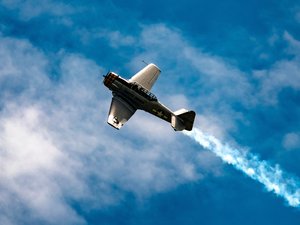
An aerobatic plane was tragically damaged at sea Saturday evening off Port de Sóller in Mallorca , resulting in the deaths of two individuals: the pilot and his son. The aircraft had taken off from Binissalem before performing several acrobatic maneuvers above the water. By Sunday, August 3, the bodies of the victims were recovered by Guardia Civil divers, who located the wreckage approximately 30 meters deep .
Two Dead
The bodies of the two occupants—a pilot and his son—were located on Sunday, August 3, by the Divers of the GEAS (Special Underwater Activity Group) of the Guardia Civil . According to Spanish officials, the divers successfully pinpointed the submerged wreck before retrieving the bodies later that afternoon. The remains were then transported back to the port, as reported by the Diario de Mallorca.
Perilous Acrobatics
The emergency alert regarding the accident was reported on Saturday, August 2, through the 112 emergency number , which triggered a significant rescue operation . Various units were deployed, including firefighters from Sóller, the GEAS divers , maritime rescue teams, and other Spanish security forces. The aircraft itself—a two-seater aerobatic plane —had ascended from the Binissalem aerodrome around 6 p.m. and was seen performing several risky maneuvers near the surface of the water. Eyewitnesses shared videos across social media, showcasing the daring dips, rapid climbs, and spectacular aerobatics that occurred just moments prior to the fatal impact.
The Wreck 30 Meters Deep
Following the accident, debris was initially spotted floating on the surface; however, most of the wreckage is believed to lie approximately 30 meters deep , according to reports from the Diario de Mallorca. It appears the plane sank almost immediately after making contact with the sea.
As of now, investigations are ongoing to determine the exact circumstances that led to this tragic incident. Authorities are focusing on gathering information from witnesses and examining any available video footage to establish a clearer picture of the events leading up to the crash.
This devastating event serves as a stark reminder of the inherent risks associated with aerobatic flying, particularly in challenging environments such as coastal waters. While many aerobatic flights are conducted safely, the nature of aerial maneuvers can introduce significant danger, especially if they are performed close to the water where escape may be difficult. In response to the incident, officials may call for reevaluations of safety protocols for aerobatic flights, particularly those conducted in proximity to populated or maritime areas.
As the investigation continues, families and communities are in mourning for the loss of life and the impact this incident will have on all involved. Support services are being made available to those affected, underscoring the need for compassion and community solidarity in the face of such tragedies. The recovery of the wreckage and the necessary investigations will likely take time, but the priority remains on understanding what went wrong to prevent future accidents.
This tragic incident highlights the risks involved in aerobatic flying and prompts important discussions about safety regulations. Each flight should not only be a display of skill and artistry but also a commitment to the highest standards of safety and responsibility.