
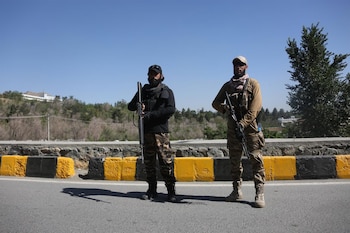
The balance of terrorism in Spain for 2024, released by the Memorial Center of the Victims of Terrorism , has highlighted a troubling trend: the Islamic State (DAESH) is increasingly utilizing artificial intelligence (AI) for its extensive propaganda efforts. This assertion comes in the wake of a tragic attack in Bamiyán, Afghanistan, where four Spanish tourists lost their lives.
According to analysts from the Memorial Center, “The dissemination of jihadist content translated into Spanish has become almost a standard practice for DAESH.” The organization employs various structures to facilitate these translations, with the notable “ Voice of Al Andalus ” focusing on converting communications from jihadist activities for Spanish-speaking audiences.
In their 2024 report, the Memorial Center specifically examines the attack that occurred in May, which resulted in Spanish casualties. The report underscores the extensive media outreach by the jihadist group, noting the production of communiqués, magazines, videos, infographics, and even podcasts regarding the incident. Such activities serve a dual purpose: disseminating information and challenging the Taliban’s governance effectiveness in securing their territory.
Critically, the Memorial Center elaborates on how DAESH’s branch, the Islamic State of Khorasan (ISKP) , has leveraged AI technology to create realistic news segments in Pashto —specifically aimed at addressing the attack on international tourists. The assault, which targeted visitors from Spain, Lithuania, Australia, and Norway, left four Spanish nationals and three Afghans dead.
“This attack aligns with the Islamic State’s operational guidelines , which indicate a strategy of targeting citizens from coalition countries wherever they may be found,” remarked analysts. Shortly after the attack, various statements were issued in pro-ISIS Telegram channels, reiterating the intent behind the assault.
The Battar Media Foundation , an unofficial media outlet tied to DAESH, quickly released a nearly two-minute video detailing the incident. The group also circulated threats through their weekly magazine, An-Nabaa , focusing on interests of the “cross coalition” involved in opposing DAESH. Furthermore, the Azaim Media Foundation , recognized by the European Union as ISKP’s media division, produced a half-hour video that included calls to action for “ lone wolf ” attacks in Western nations.
The focus on Spanish in these threats is particularly alarming. Previous threats originating from DAESH included calls for action specifically targeting Spain. One campaign highlighted an image of a threat poster allegedly placed at a Spanish national police officer’s residence. This campaign extended itself as a directive, prompting sympathizers to distribute similar posters in public areas, specifically targeting law enforcement.
The Memorial Center also spotlighted Operation Almuasasa , executed in Spain in June 2024. This operation dismantled a cell comprising seven individuals who collaborated to translate AND disseminate content from the Islamic State through various channels. This pivotal operation not only disrupted a propaganda cell but also led to the confiscation of servers that housed jihadist content, thereby laying a significant blow to the IMLAM Foundation—an entity founded to increase the global reach of DAESH’s messages across multiple languages.
The implications of this escalating use of propaganda are profound. It not only underscores the tactical sophistication of terrorist groups but also highlights a disturbing trend in relation to how they leverage new technology. The integration of AI into their communication strategies signifies a shift to a more organized and systematic approach to recruitment and incitement of violence. Operational awareness regarding these trends is essential in addressing the threats posed by such groups.
In the face of these developments, it becomes increasingly critical for governments, law enforcement agencies, and cyber units to innovate and adapt their strategies to counteract the influence of terrorism effectively. Collaboration among nations is important not just for intelligence-sharing, but also for pooling resources dedicated to combating online radicalization. Maintaining public safety and curtailing the spread of extremist ideologies is a challenge that demands cooperative, multifaceted responses.
The rise of AI-utilized propaganda is a stark reminder of the relentless evolution of threats posed by terrorist organizations. Awareness, preparedness, and proactive measures will play indispensable roles in mitigating these dangers and safeguarding communities globally.