
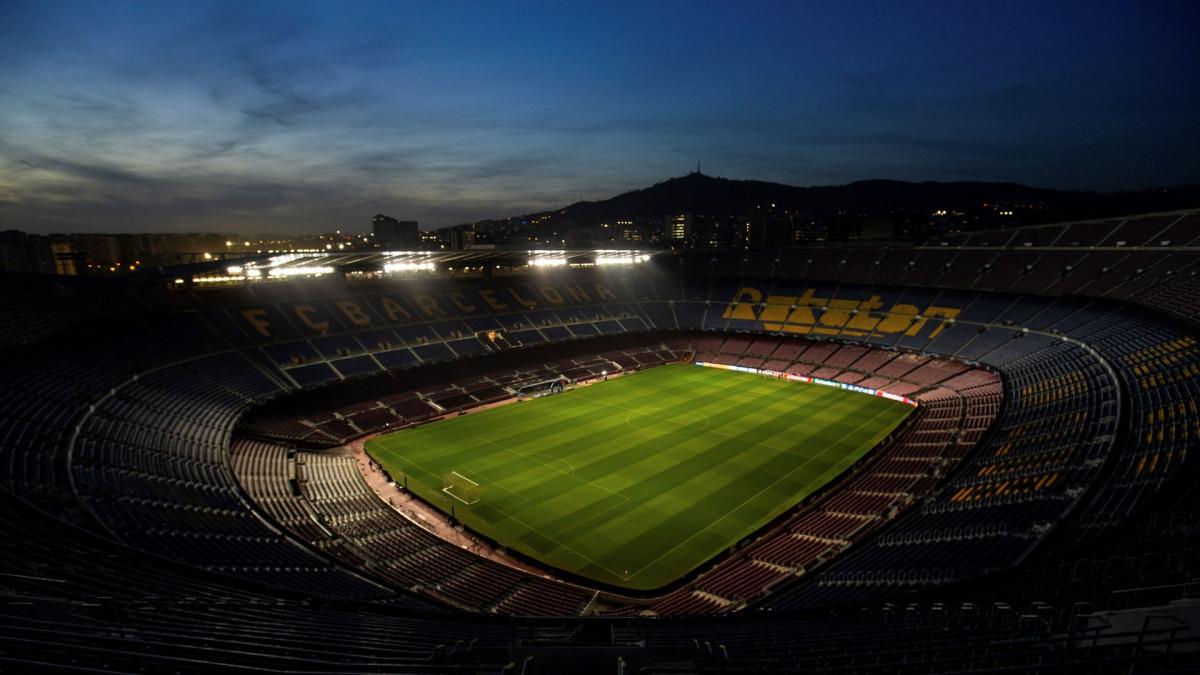
Challenges at Camp Nou: Impact on FC Barcelona’s Upcoming Matches
Barcelona continues to face significant challenges regarding its iconic stadium, Camp Nou. Originally set to host the prestigious Joan Gamper Trophy , this year’s event will now take place at the Estadi Johan Cruyff , located at the club’s training center. This decision has raised questions about the future of matches scheduled at Camp Nou, especially the team’s home Liga debut against Valencia , set for the weekend of September 13-14 .
The adjustments prompted by the ongoing situation mean that fans, players, and management alike find themselves navigating an unpredictable terrain. While negotiations are still ongoing about hosting home games, it is looking increasingly likely that the match against Valencia may also be shifted to Estadi Johan Cruyff . This stadium, although a part of the club’s infrastructure, has a limited capacity of only 6,000 spectators. In stark contrast, Camp Nou has the potential to host 111,000 fans once renovations are complete. This limitation poses a daunting threat to the club’s revenue and overall match atmosphere.
The Financial Implications for FC Barcelona
FC Barcelona’s financial model heavily relies on ticket sales and match-day revenue, significance amplified by the sheer size of the Camp Nou’s audience. The loss of income from playing at Estadi Johan Cruyff could impact the club’s finances, given the stark difference in revenue potential. Furthermore, playing in a stadium with such a small capacity limits fans’ access and engagement consecutively.
If the match against Valencia proceeds at Estadi Johan Cruyff, the potential revenue generated will be noticeably reduced . This shift in venues not only affects ticket sales but also influences merchandise sales, concessions, and overall club engagement with its supporters. Financial forecasts point to an increase in pressure on the club’s management to ensure that future matches are played at a venue that can accommodate the loyal Barcelonais. The club’s adaptability in these challenging times will be critical for its sustainability.
Considering a Return to Camp Nou
Despite the limitations, FC Barcelona is still exploring avenues to play matches at Camp Nou. The club is hopeful of securing approvals that would allow it to host upcoming key fixtures despite the construction progress. An alternative plan includes reducing the capacity of Camp Nou to about 30,000 seats for initial matches. This plan comes with its own challenges, however, as UEFA rules stipulate that teams must play UEFA fixtures at a single venue throughout the group stages.
This regulatory requirement weighs heavily on FC Barcelona’s strategy as it prepares for the upcoming UEFA Champions League. The management is tasked with not only negotiating with local authorities for permission but also communicating effectively with UEFA to meet its stipulations. The successful navigation of these challenges could pave the way for a reinforced fan experience despite the limitations occurring due to the renovations.
Impact on Team Morale and Fan Engagement
The uncertainty surrounding match venues can significantly impact both team morale and fan engagement . Players thrive on strong home support, and the reduced attendance expected at Estadi Johan Cruyff could yield a quieter and less impactful home advantage. Furthermore, the disconnect between the club’s historical venue and its temporary smaller counterpart could hinder the electric atmosphere that fans contribute to during games.
For fans, the choice to attend a match can be overshadowed by the understanding that they will not be experiencing the grandiosity of Camp Nou. The historical significance of the stadium adds to the mystique of watching a live match, and the transition brings a level of disappointment that not only reflects on fans but may also echo among the players.
A Positive Outlook Amid Challenges
While the hurdles posed by Camp Nou’s renovations bring about economic, logistical, and emotional challenges, they also serve as an opportunity for FC Barcelona. This phase can be seen as a potential shift towards future innovations and upgrades that could benefit the club in the years to come. With strategic planning, transparency with fans, and effective stakeholder communication, FC Barcelona can emerge stronger from this transition.
As FC Barcelona navigates these tumultuous waters, the bond between the team and its supporters remains pivotal. The history and legacy of Camp Nou are irreplaceable, but this chapter may lead to new opportunities for growth and engagement. Barcelona’s journey through this adversity will ultimately write its next installment, showcasing its resilience and unwavering spirit, which have long been the hallmark of this storied club. In the end, the hearts of its supporters remain unwavering, transcending the physical spaces in which they gather to cheer for their beloved team.