
The Controversy Surrounding the Abduction of Venezuelan Minors: A Call for Justice
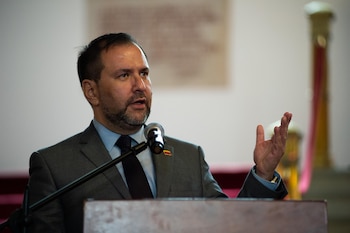
In a pressing statement on social media, Venezuela’s Foreign Minister , Yván Gil, publicly condemned the alleged kidnapping of 33 Venezuelan minors within U.S. territory. The children, separated from their families upon deportation, become embroiled in a bitter diplomatic row between the Venezuelan government and the United States. Minister Gil’s remarks underscore a growing crisis that not only implicates international law but also raises serious human rights concerns.
Venezuela has witnessed a dramatic exodus of its citizens due to political turmoil, economic hardship, and widespread violence . As families attempt to flee the dire conditions at home, many find themselves at the mercy of immigration policies that can lead to tragic separations. In his recent communication, Gil described the situation as “criminal, inhumane , and unlawful”, directly targeting John McNamara, the business manager for the U.S. in Colombia. Gil’s accusation frames this incident as part of a larger pattern of abuse against Venezuelan nationals.
The foreign minister’s assertion that the United States is “keeping 33 Venezuelan children” in violation of both international and domestic laws amplifies the urgency of the matter. Gil’s statement made it clear that the Venezuelan government demands immediate and unconditional release of the minors. The language used indicates the seriousness with which Venezuela views the U.S. policies that impact immigrant families. “This is a clear infringement on the most elementary rights of childhood,” Gil emphasized.
Moreover, allegations of holding minors in conditions that violate international standards have stirred concerns among human rights organizations. Advocates for children’s rights have long been vocal about the trauma and psychological effects of family separation, especially for vulnerable populations. International laws, including the Convention on the Rights of the Child, provide solid grounds for criticizing actions that lead to the vulnerable being treated as political pawns.
Gil’s accusations point towards a broader critique of American foreign policy regarding immigration. This incident underlines a complex and often contentious relationship between the two nations. The Venezuelan government has long accused the U.S. of meddling in its affairs, while U.S. officials maintain that they support rights and freedoms abroad. “How can a state advocate for freedoms while it tramples the basic rights of children?” asked Gil, questioning the moral standing of U.S. immigration strategies.
As the situation develops, several questions loom large: How will the U.S. government respond? Will it take steps to address the concerns raised by Venezuela and international organizations? Understanding the broader context of this incident is crucial. Given the ongoing political tensions between the two nations, any diplomatic resolution regarding the minors’ situation is likely to be complex and fraught with challenges.
The plight of these children serves as a poignant reminder of the human cost associated with geopolitical conflicts. In this instance, both Governments will need to navigate a minefield of accusations, diplomacy, and human rights considerations while addressing the immediate needs of those affected. As international observers watch closely, the expectation for a just outcome remains high.
The challenges facing these 33 Venezuelan minors extend beyond mere legal adjudication; they represent broader themes of justice, diplomacy, and human dignity. As the dialogue unfolds, the global community is called upon to advocate for the rights of all children, regardless of their nationality or situation. Only by prioritizing these principles can nations hope to pave a path toward reconciliation and healing.
In a world increasingly polarized by political conflicts, the innocent must not become pawns. The responsibility falls on all those in power to protect their most vulnerable citizens, ensuring that the innocence of childhood is preserved across all borders. The recent events highlight the urgent need for policies rooted in compassion and humanity, rather than division and strife.