

Argentina’s Shift Towards a Greener Future: Importing Hybrid and Electric Vehicles
In a significant move towards promoting sustainable transportation, the Argentine government has set a target to import 50,000 hybrid and electric cars exempt from the hefty 35% Mercosur tariff. This initiative is pivotal in reducing the carbon footprint and promoting the usage of cleaner vehicles. As of now, all quotas have been successfully allocated.
The first wave of imports commenced this month, with the bulk scheduled to arrive by January 2026. The government foresees about 13,500 vehicles arriving between July and November, followed by 9,500 in December and the remaining 27,000 vehicles by January 2026.
Challenges in Fulfillment
According to an investigation by Infobae Consulting, many brands and importers faced obstacles in fulfilling their import orders. Some have had to adjust their requests post the initial government call that concluded in April. Issues ranged from production delays from parent companies to price hikes that pushed the cost above USD 16,000 FOB (free on board at the port of exit).
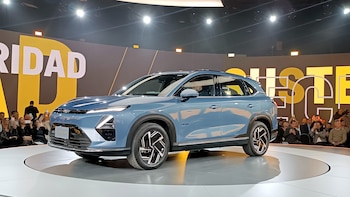
Interestingly, of the models tendered, only two—the LEAPMOTOR C10 and Hyundai Bayón—were slated for introduction to the Argentine market but eventually withdrew from the first year’s allocation. Both companies still express interest, potentially eyeing goals for the 2026 tender.
Companies Making Headway
General Motors Argentina is set to import 1,250 units of the Captive Chevrolet PHEV and 500 units of the Chevrolet Spark EUV. Their initial requests remain intact and have now been supplemented with additional orders of 655 units of the Captive and another 500 Spark vehicles in the second tender. Consequently, a total of 1,905 Captiva and 1,000 Sparks will be imported this year.
Renault Argentina initially ordered 77 Kwid E-Tech units but scaled back their allocation to 5 units in the first call, later reinstating the original 77 with an additional 3,231 units of the Renault Arkana Mild-Hybrid.
Ford Argentina set out to import 2,500 units of the Ford Territory Hybrid but faced production uncertainties. Ultimately, they reduced their request to 800 units and secured an additional 2,000 units for a total of 2,800 hybrid territories this year.
Diverse Options for Consumers
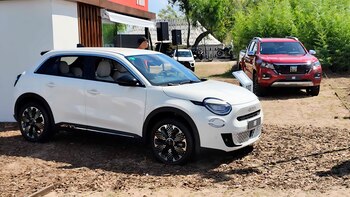
Stellantis Argentina expressed interest in importing 2,000 Fiat 600 Mild-Hybrid vehicles. Following adjustments in their initial orders, they ultimately decided against importing the LEAPMOTOR C10 and retained only the Fiat 600.
The RALITOR SA group is entering the market with Shineray models. A total of 70 units will be allocated between a plug-in hybrid and a 100% electric vehicle.
However, many importers faced changes in their supply and requested quotients, with fluctuating models being introduced.
Geely aims to import 500 Geely EX5 vehicles, while Volt Srl is working towards bringing 4,500 units of Highly ME5 PHEV, which is an extended-range plug-in hybrid SUV.
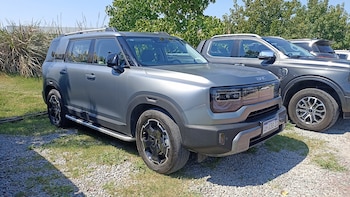
Great Wall Motors, represented by the Antelo Group, made considerable import requests totaling 400 Pray 03 electric, 1,100 HAVAL H6, and 1,850 Haval Jolion hybrids. The firm aims to diversify its offerings in the Argentine market, appealing to eco-conscious consumers.
Chery, focusing on electric options, is set to import 25 EQ1 EVs and 1,300 Tiggo 4 hybrids, while planning for an even broader reach with 3,950 Tiggo 7 units.
There’s extensive interest in the burgeoning hybrid and electric vehicle market, with companies aligning imports to contribute towards a sustainable future for mobility in Argentina. As consumers become increasingly aware of the environmental impact of traditional vehicles, the demand for green transportation solutions continues to grow.
In summary, Argentina’s progressive approach towards sustainable transportation reflects the nation’s commitment to reducing its carbon footprint. As the government supports the import of hybrid and electric vehicles, consumers are gradually shifting towards more sustainable choices. Brands are now more determined than ever to offer innovative, environmentally friendly options that cater to a growing market of eco-conscious consumers. The transition towards greener vehicles is not merely a trend; it signifies a monumental shift in how transportation must evolve in response to pressing global environmental challenges.