
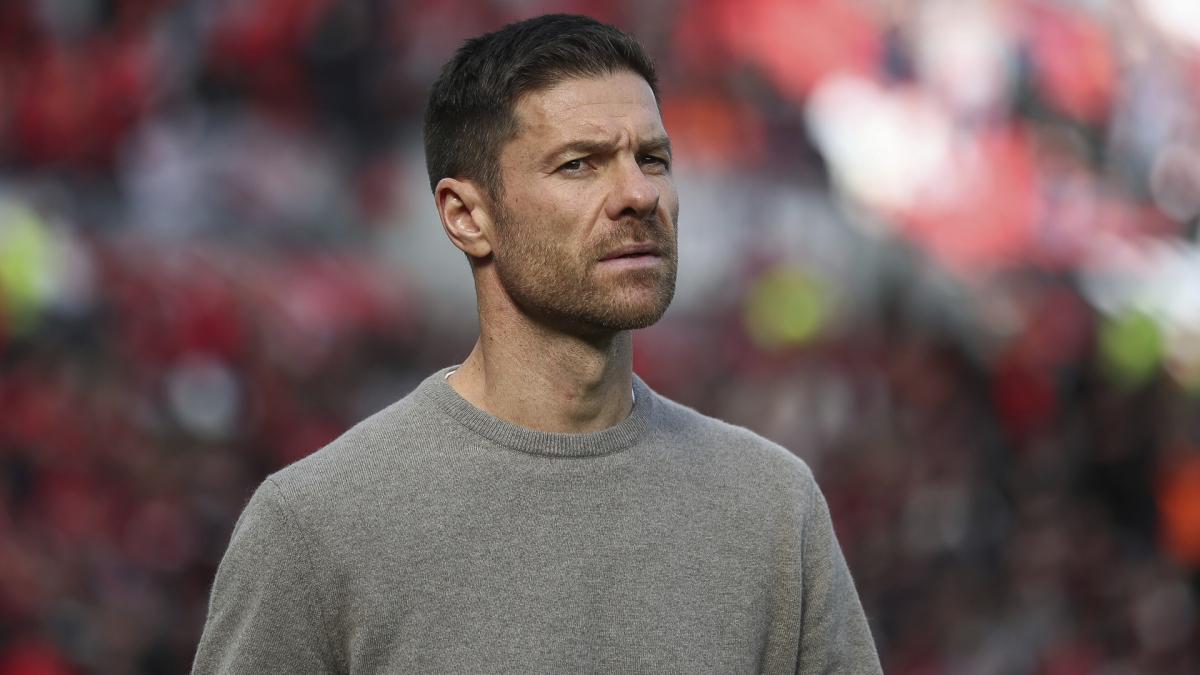
Jonas Hofmann Criticizes Xabi Alonso’s Management Style
The world of football is often filled with unexpected twists and turns, but the recent critique from Jonas Hofmann regarding his former coach, Xabi Alonso, adds a new layer of intrigue to the narrative. Known for his attacking prowess, Hofmann did not hold back his feelings during an interview with Kölner Stadt-Anzeiger. The German midfielder expressed significant disappointment in Alonso’s management approach, particularly concerning his limited playing time over the last two seasons at Bayer Leverkusen.
A Struggler in Identity
Hofmann’s tenure under Alonso has been less than stellar, with frustration boiling over as he stated, “If it remains, I will ask for a transfer.” His stats tell a similar story: 690 minutes on the pitch, two goals, and just one assist, which reflects a playing time that many athletes would deem insufficient. This dissatisfaction appears rooted in a sense of being sidelined, particularly as he has found himself in the shadow of younger talent, like Florian Wirtz.
The Call for Direct Communication
In his candid remarks, Hofmann criticized what he described as a serious communication deficit in Alonso’s management style. “I expect a coach that he says something directly if something attracts his attention. I await open and direct communication,” Hofmann asserted. This comment underscores an essential quality that many footballers crave from their managers: clarity and support.
A coach’s ability to communicate openly can heavily influence player morale, engagement, and ultimately performance. Hofmann’s call for direct communication signals a broader need for transparency in sports, particularly in professional and competitive environments where players’ careers and livelihoods are at stake.
Authority vs. Openness
While Hofmann recognized Alonso’s authoritarian but effective coaching style, he emphasized the lack of group management that came with it. “There should not be more than two weeks without a coach speaks to his players to keep them in great shape and raise the level of training,” Hofmann remarked. The insight reflects a fundamental aspect of successful team dynamics—consistent interaction fosters unity and keeps spirits high.
Alonso’s authoritative approach may yield results on the field, particularly with tactical discipline, but without the essential component of regular dialogue, it risks alienating key players. One gets the sense that Hofmann yearns for a balance between authority and accessibility—a personal touch that could potentially reinvigorate player performance.
Transitioning to New Opportunities
As Hofmann eyes a new chapter under Erik Ten Hag, he hopes to reshape his career away from the expectations and pressures associated with Alonso. At 33 years of age, the German midfielder understands that his career trajectory is now more critical than ever. The possibility of joining a team where he feels valued, both on and off the pitch, could be the rejuvenation he is seeking.
Ten Hag brings a different ethos to coaching, one characterized by a more interactive and engaged style compared to Alonso. The hope is that Hofmann can recapture the form that made him a sought-after talent in the first place.
The Broader Picture
Hofmann’s criticisms resonate with various aspects of modern sports culture. Players today seek more than just a voice on the sidelines; they want to feel like equal parts of the formation—active participants in the dialogue that drives performance and decision-making.
In the fiercely competitive world of football, communication isn’t merely a talking point; it’s a critical factor that can determine the success or failure of teams and individual players. As clubs increasingly understand the importance of player sentiment, Hofmann’s comments could encourage a shift in how managerial styles evolve over time.
Conclusion
After voicing his concerns, Hofmann’s future remains to be seen. Will he find the communication and playing time he craves in his next chapter? Or will he continue to feel unsupported in his journey? As the football season progresses, all eyes will be on Hofmann and Ten Hag, looking for signs of resurgence and growth away from the shadow of Xabi Alonso. The narrative of Hofmann serves as a reminder that every player’s perspective matters in the ever-complex dynamics of professional sports. With the right management and encouragement, even a season of discontent can lead to a renaissance of talent and opportunity.