
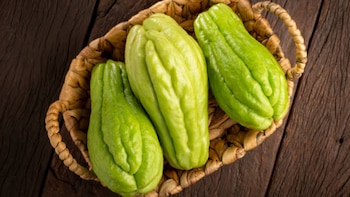
The Health Benefits of Chayote in Managing Type 2 Diabetes
Chayote, a vegetable native to Central America and widely utilized in Latin American cuisine, has increasingly gained attention for its potential to assist in the management of Type 2 Diabetes Mellitus. Research has focused on its bioactive compounds, particularly phenolics, which have been shown to have a positive impact on blood glucose regulation and inhibition of certain digestive enzymes. This characteristic makes chayote an appealing option not only for individuals with diabetes but also for those seeking healthier dietary choices.
The rising prevalence of type 2 diabetes globally has compelled researchers to explore plant-based products with therapeutic effects. As per the Ministry of Education, Science, Technology and Innovation (SECTEI), the phenolic compounds found in chayote can prevent glucose peaks by inhibiting the rapid absorption of sugars, thereby improving insulin responsiveness in cells. Such scientific findings have prompted nutritionists to advocate for the inclusion of chayote in dietary plans aimed at metabolic disease management.
While the benefits of chayote are documented, consuming chayote is not without potential side effects. Although many individuals tolerate this vegetable well as part of a balanced diet, excessive consumption or specific health conditions could lead to adverse reactions.
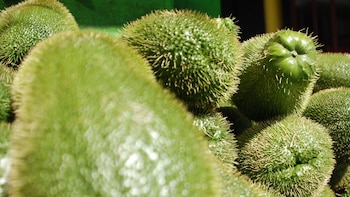
Digestive Issues and Allergies
Chayote is high in fiber and water content, which can lead to digestive discomfort if consumed excessively. Issues such as abdominal distension, gas, and diarrhea may arise. Additionally, individuals with vegetable allergies or sensitivities to the Cucurbitaceae family, to which chayote belongs, may experience allergic reactions such as redness, vomiting, or hives. Rare instances of oral mucosa irritation have also been reported when the vegetable is eaten raw.
Moreover, people with advanced renal conditions should exercise caution with chayote due to its potassium content, which can hinder electrolyte balance control. If the kidneys are not functioning optimally, excess potassium can accumulate in the bloodstream, leading to potential heart rate irregularities. Those diagnosed with irritable bowel syndrome might experience intensified symptoms after consuming chayote.
Given these potential risks, it’s advised that individuals with a history of allergies to Cucurbitaceae, such as pumpkin, cucumber, or watermelon, avoid chayote, particularly without medical advice.
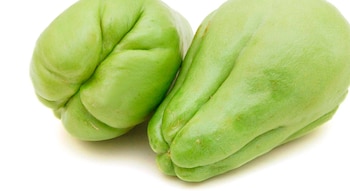
Guidelines for Consumption
For the general population, health specialists recommend incorporating chayote into meals one to three times a week. This frequency enables individuals to enjoy its health benefits while minimizing the risk of fiber overload and other unwanted compounds. Emphasizing dietary diversity is crucial for maintaining nutritional balance.
Although chayote serves as a promising food choice in the prevention and control of metabolic diseases such as type 2 diabetes, it should not replace prescribed treatments or professional medical advice. The introduction of new foods into a diet should be done gradually and carefully, taking note of any adverse reactions.
Understanding the properties and limitations of chayote is instrumental in making informed decisions when planning a daily diet. It’s always prudent to consult with a nutritionist before making significant dietary changes, especially for individuals with pre-existing health conditions.