
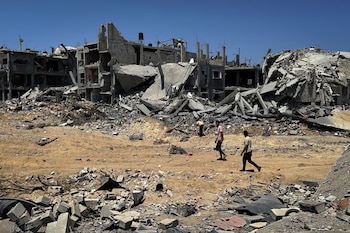
The Ongoing Conflict: Israel’s Military Operations Against Hamas
The Israeli Defense Forces (IDF) announced on Thursday the elimination of a key Hamas figure linked to the Rafa crossing, a strategic and controversial point that has long been associated with illicit weapon and goods smuggling into Gaza. The targeted individual, identified as Muhamad To Love, was reported to be instrumental in overseeing numerous smuggling routes for military equipment aimed at fortifying Hamas capabilities.
Background of the Conflict
The recent upsurge in violence can be traced back to the events of October 7, 2023, when Hamas orchestrated a large-scale attack against Israel. This assault resulted in approximately 1,200 Israeli casualties and around 250 individuals kidnapped. The escalated conflict prompted Israel to launch what it termed a defensive offensive against Hamas, especially focusing on entities in Gaza responsible for militarizing the area.
As the situation escalated, the humanitarian implications became dire. The Palestinian authorities in Gaza reported an alarming casualty figure, estimating that nearly 59,600 Palestinians have lost their lives since the initiation of the Israeli response. This number, fueled by ongoing military operations and resulting airstrikes, indicates a broader humanitarian crisis gripping the region.
The Importance of the Rafa Crossing
The Rafa crossing has historically served as a crucial transit point, facilitating both the movement of goods and the trafficking of weapons. According to the IDF’s statement, To Love was directly linked to the operational aspects of this crossing, managing various routes used for smuggling military supplies to Hamas. The IDF accused him of playing a vital role in the arms smuggling network, which significantly bolstered Hamas’ military capabilities against Israel.
The Israeli government has long regarded the infiltration of weapons into Gaza as a severe threat to national security, prompting them to take decisive military action. The elimination of To Love was portrayed as a pivotal operation that would hinder Hamas’ ability to launch further assaults against Israeli citizens.
International Responses to the Conflict
As the conflict continues to escalate, international responses have varied widely. Governments and organizations worldwide are expressing condemnation and concern over the rising death toll and humanitarian crisis afflicting Gaza, while also acknowledging Israel’s right to self-defense. Discussions in international forums have revealed a complex web of diplomatic challenges, with calls for ceasefires and humanitarian corridors juxtaposed against the backdrop of ongoing military operations.
Humanitarian organizations have raised alarm over the dire conditions in Gaza, urging for immediate access to aid and supplies. The healthcare system in the enclave is reportedly on the brink of collapse, overwhelmed by the influx of casualties. There is growing apprehension that without a significant intervention, the humanitarian crisis will deteriorate further.
The IDF Strategy Moving Forward
In its commitment to neutralizing threats from Hamas, the IDF has pledged to continue its military operations. They assert that every action taken aims to protect Israeli citizens from potential attacks. The military emphasizes that operations will be guided by intelligence to effectively target individuals deemed responsible for planning and executing operations against Israel.
The ongoing offensive has resulted in heavy bombardments across Gaza, involving airstrikes and ground incursions. The IDF has reiterated that their primary goal is the dismantling of military infrastructure and networks tied to Hamas.
Looking Ahead: Prospects for Peace
As the conflict reaches critical intensity, the future of peace appears increasingly uncertain. Various peace initiatives have been attempted over the years, yet a durable resolution remains elusive. With both sides entrenched in their positions, finding common ground is essential for breaking the cycle of violence.
The rising body count and humanitarian needs must compel not only local but also international leaders to take significant steps toward diplomacy. Without actionable strategies for peace discussions and the prioritization of humanitarian access, the potential for resolution may continue to diminish, leaving countless civilians caught in the crossfire.
In conclusion, the ongoing situation between Israel and Hamas showcases the devastating impact of armed conflict on civilian populations. Heightened military actions have drawn international scrutiny, revealing profound humanitarian needs that require urgent attention. Moving forward, a collaborative and strategic approach will be vital in seeking avenues for peace and stability in the region.