
Russia’s Controversial Drone Training for Youth: A Closer Look
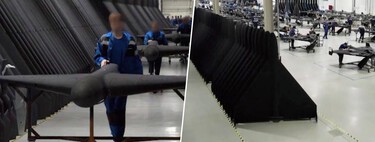
This week, Russia made headlines with the release of a startling video showcasing what the country claims is “the largest secret factory of combat drones on the planet.” Located in Alabuga, Tataristan, the footage reveals not just a vast assembly line of drones, but also an unsettling reality: most of the workers in this facility are teenagers .
A Video Game and a War—according to an investigation by the exiled Russian media outlet The Insider, the recruitment of schoolchildren has been an organized effort since the summer of 2022. Presented as an educational and entertaining platform named Berloga (“Bear Den”), this initiative has recruited hundreds of thousands of young students into a technical-military training program that emphasizes the development and use of drones, often disguised as video game competitions.
The game, which received a green light personally from Vladimir Putin, features a narrative where “smart bears” protect critical resources—portraying a veiled analogy of Russia as bears defending against Ukrainian “bees.” This recruitment strategy not only takes children through gameplay but leads them to face-to-face competitions and hands-on experience in assembling drones, preparing them for roles as technicians and operators in the military complex, all under the pretense that “it is not for war.”
From Command to the Welder—the Berloga initiative is part of a broader educational network orchestrated by the Kremlin’s strategic initiatives agency. This network includes NTI Technology Clubs and the TALANT student achievement monitoring platform, facilitating the mentorship of children in various technical disciplines.
Privileged Minds to War—students who excel in these programs can receive academic advantages such as extra points in national exams, presidential scholarships, and direct placements in defense sector companies like Geoscan and Almaz-Antey. Tasks presented to these students range from improving UAV navigation systems to developing unmanned vehicles for military use.
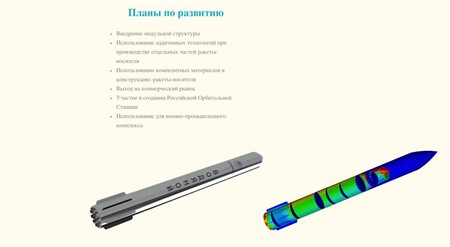
Screen capture of the concept of a super heavy launch vehicle from the “Large Challenges” program
Children Engineers—these young individuals are not merely bystanders in this technological landscape. They program, design prototypes, and some even engage in military training , which involves setting up drones for covert military operations. The knowledge they gain is directly applicable to the drones operating on the front lines of the Ukraine conflict.
Dual Technology—companies like Geoscan and Yakovlev often cross-segment their operations between civil and military branches, creating a façade of legality in the face of international sanctions. Officials assert that distinctions between civil and military applications no longer exist, signifying a future where technological advancements would automatically benefit warfare efforts.
Child Military Training—the integration of minors into these programs reflects a disturbing shift towards institutionalized war preparation. The Intensive Archipelago program has notably transitioned from a multi-sectoral approach to focusing exclusively on drone technology. This program trains children not only in drone operation but also in combat skills .
Discrepancies in Schools—some educational institutions have voiced concerns about mandatory participation in programs like Zarnitsa, a modern revival of a Soviet military game intending to train youth in warfare tactics. Funded generously by the state, these programs seek to identify and foster military talent from a young age, effectively transforming educational centers into recruitment grounds for the defense sector.
War Pedagogy—Putin’s administration is institutionalizing this militarization of education by embedding military technology into school curricula. Critics argue that this framework of training is detracting from the youthful role as citizens in development, instead molding them into tools for future military endeavors.
Rights of the Child—the involvement of children in military training violates numerous international laws, including the Convention on the Rights of the Child. Legal experts argue that these programs not only breach ethical norms but also endanger minors by transforming educational facilities into potential military targets.
In conclusion, as Russian educational systems increasingly intertwine with military objectives, a chilling vision of the future emerges. With child patriotism being cultivated within the framework of war, what might begin as innocuous activities soon transitions into preparations for conflict, raising significant moral and ethical concerns on both national and international fronts. The lessons of the past elucidate urgent calls for safeguarding the rights and futures of children amidst the specter of militaristic indoctrination.
Image | Rawpixel, Wikimedia, Telegram