
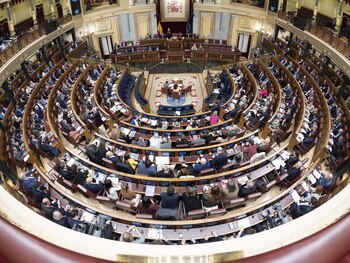
The Recent Repeal of the Electricity Decree: A Political Tidal Wave
Recently, the Plenary of the Congress made headlines by repealing a critical decree aimed at strengthening the electrical system in Spain. This decision came in response to an unprecedented blackout that occurred on April 28, leaving the Iberian Peninsula in darkness. The aftermath of this event sparked fierce political discourse and debates among various factions, which ultimately influenced the decision to repeal the decree.
The controversial decree was crafted to improve oversight of the electricity sector and to prevent future blackouts. It included provisions such as reducing tolls for energy-intensive industries, facilitating the connection of new generation and consumer facilities, and enhancing supervision mechanisms. However, as debates unfolded in Congress, significant opposition emerged from varied political groups, notably the People’s Party (PP), Vox, and UPN, who joined forces with some investiture partners, including Podemos, BNG, and Juns.
Understanding the Backlash Against the Electricity Decree
The April blackout was attributed to a multifactorial problem that escalated beyond the control of both electrical companies and Red Eléctrica. In the wake of this crisis, the government promised a comprehensive review to identify the underlying causes. Almost two months later, the report concluded that the blackout was the result of a series of interconnected issues that overwhelmed the system.
While the government’s efforts to implement corrective measures were intended to stabilize the sector, they fell short of gaining support from most political factions within the hemicycle. Several leftist groups, despite being part of the coalition, expressed their dissatisfaction with the proposed measures, accusing them of serving the interests of an electric oligopoly.
What Led to the Vote? Political Divides and Consequences
The vote concluded with a dramatic tally: 183 votes against the decree, 165 in favor, with no abstentions. Among the supporters were ERC, PNV, Bildu, the Canarian coalition, and former socialist minister José Luis Ábalos. Detractors, particularly from PP and Vox, argue that the government is responsible for the blackout incident and assert that resignations should precede any new measures. This divide exemplifies a broader struggle in Spain’s political landscape, as parties grapple with accountability and governance.
Moreover, the wave of rejection from leftist parties illustrates a significant fracture among the coalition. Podemos and BNG’s refusal to back the decree suggests a deeper ideological conflict regarding energy policy and the role of the government versus private corporations in managing electricity resources.
The Broader Implications for Energy Policy
The repercussions of this legislative move extend beyond immediate political squabbles and touch upon the future of energy policy in Spain. As experts observe, the energy sector is at a crossroads, with calls for sustainable solutions clashing against traditional market practices. The need for a comprehensive system that aligns with both ecological imperatives and economic realities has never been more pressing.
In the face of climate change and rising concerns over sustainable energy sources, the drive toward comprehensive reform in the electric sector becomes critical. How the government addresses these challenges will significantly influence not only energy accessibility but also the socioeconomic fabric of Spain.
Additionally, it raises questions about the regulatory frameworks needed to ensure that such crises do not recur. The need to balance political accountability, public trust, and strategic goals in energy management remains a daunting task for authorities.
The repeal of the electric decree not only lays bare the political tensions within Spain’s Congress but also highlights the critical need for a robust, transparent, and viable energy policy. Moving forward, whether legislators can come together to form a cohesive strategy that meets the Nation’s energy demands remains uncertain.
Amid this landscape, the path ahead must involve engaging various stakeholders—including industry experts, environmental advocates, and consumers—to cultivate a more sustainable energy future. The complexities of such an undertaking are considerable, but the imperative for effective energy reform is clear.
In summary, the decision to repeal the decree reflects broader tensions within Spain’s political and energy landscape, underscoring the challenges that lie ahead as the nation grapples with securing a reliable and sustainable energy future.