
The Palestinian activist Jaldia Abubakra participated in a cacerolate in Madrid on Sunday, advocating for urgent attention to the worsening humanitarian situation in Gaza. This event took place in front of the European Commission’s representative office in Spain, and according to Abubakra, it was organized as a part of a global campaign to raise awareness and action against the severe famine facing over two million individuals in the region.
During the protest, Abubakra criticized the European Union for its apparent inaction amidst this crisis. She referred to a statement made two weeks prior, which suggested that humanitarian aid would be sent to Gaza, only for it to later be proven erroneous. Abubakra furiously remarked that the EU is allowing time for “Israeli Zionist forces to continue killing people on hunger queues,” adding that they are “not taking measures, sanctioning, or doing anything” to help.
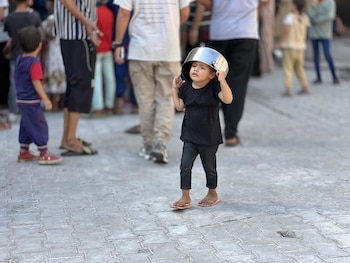
The humanitarian crisis in Gaza has escalated dramatically, with reports indicating that approximately 80% of buildings have been destroyed, and vital resources including ambulances, electricity, and food supplies are now severely lacking. Abubakra highlighted that “there are no safe spaces left in the Gaza Strip,” and more than 70 people have died from starvation as a result of the ongoing conflict.
The protest in Madrid was not an isolated event; it was a focal point for many demonstrations occurring worldwide. Activists everywhere are urging their governments and international organizations to take more decisive action. The calls for solidarity have never been more urgent, as the civilian population in Gaza endures unimaginable hardships, pushing various rights groups and humanitarian organizations to appeal for immediate support.
Understanding the Humanitarian Impact in Gaza
The situation in Gaza has reached a critical point. The ongoing blockade and military operations have led to widespread destruction and a humanitarian crisis of epic proportions. The people of Gaza face dire shortages of essentials, with food, medicine, and clean water becoming increasingly hard to obtain. The blockade restricts goods and services from entering the area, exacerbating the plight of innocent civilians.
Healthcare has been severely compromised as facilities run out of supplies and electricity, rendering them unable to treat patients. Medical workers report that they are left unable to provide the necessary care for the rising number of injured individuals and those suffering from untreated medical conditions. The psychological toll on the population also cannot be overstated, with many residents experiencing profound trauma and distress.
Global Awareness and Action
The cacerolate protest in Madrid is an example of how global citizens are responding to the humanitarian crisis in Gaza. Activists, journalists, and humanitarian organizations are calling for widespread awareness and pressing their authorities to take action. Many protesters emphasized the importance of solidarity among nations, demanding that governments not only acknowledge the humanitarian catastrophe but actively participate in efforts to alleviate suffering.
Through social media campaigns, protest events, and direct appeals to government officials, the message is clear: the people of Gaza cannot wait. The humanitarian violations need immediate intervention and support from the global community. Widespread pressure must be applied for an end to the blockade and to ensure access to vital resources.
Jaldia Abubakra’s statements highlight the need for a unified global stance in support of humanitarian rights. Lack of action from influential entities such as the EU could be interpreted as tacit approval of ongoing suffering, which many find unacceptable. Calls for accountability are echoed across forums and protests, addressing a vital need for change in the approach towards Gaza.
This is a complex issue that requires urgent attention and coordinated responses from international bodies, humanitarian organizations, and governments. There must be a commitment to not only address immediate needs but also to find long-term solutions that promote lasting peace and stability in the region. Ensuring the protection of human rights and the dignity of every individual must remain at the forefront of global conversations. Addressing the crisis in Gaza is not merely a political necessity but a profound humanitarian obligation.