

In a significant move impacting its workforce, Amazon Web Services (AWS), the cloud services arm of Amazon, has recently announced a round of layoffs affecting hundreds of employees. This decision follows comments made by Andy Jassy, CEO of Amazon, regarding the integration of generative artificial intelligence into the company’s operational framework, which Jassy indicated would necessitate adjustments to the workforce.
While a spokesperson confirmed the layoffs, specific numbers remain undisclosed. This round of cuts is part of broader cost-reduction strategies being adopted across the tech industry, which has seen similar moves from giants like Microsoft, Meta, and Crowdstrike throughout 2025. These organizations aim to achieve operational efficiency by leveraging automation and artificial intelligence to replace routine tasks traditionally performed by human personnel.
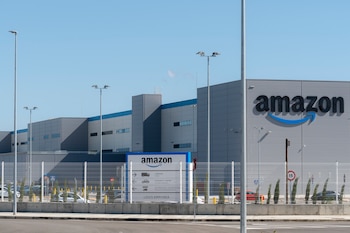
Among those impacted by the layoffs are employees classified as “specialists,” whose roles focus on helping clients enhance product development and boost cloud service sales. According to reports from several affected employees, some learned of their layoffs unexpectedly through emails that simultaneously announced the suspension of access to AWS systems.
An anonymous Amazon spokesperson stated in an email, “We have made the difficult business decision to eliminate some positions in specific AWS teams. These decisions are necessary while we continue investing, hiring, and optimizing resources to offer innovation to our clients.”

Despite these cuts, AWS continues to show signs of robust growth. The financial results from the first quarter of 2025 indicate a 17% increase in sales , reaching $29.3 billion, and a 23% increase in operational revenues , totaling $11.5 billion.
This adjustment is not restricted to AWS alone; Amazon has enacted reductions in other divisions, including its book unit, devices and services departments, and the Wondery Podcast division. This strategy aligns with Jassy’s efforts to eradicate levels of bureaucracy and streamline operations, seeking enhanced efficiency within the organization. As of the end of March 2025, Amazon’s global workforce stood at approximately 1.6 million employees , both full-time and part-time.
Since its inception, Amazon has built a brand identity centered around a pivotal principle: prioritizing the customer in every decision and process. This customer-centric philosophy, initiated by Jeff Bezos, has set the company apart in a competitive landscape and is integral to its operations.
What began in 1994 as a modest online bookstore has transformed into an all-encompassing marketplace, offering a diverse range of products that now include electronics, clothing, toys, furniture, appliances, and even pet supplies. The commitment to surpassing customer expectations has fueled Amazon’s sustained expansion and its position as a global leader in e-commerce.

However, this persistent focus on customer satisfaction has come at a high cost for Amazon’s employees. The performance standard upheld by Bezos enforced a culture of high pressure , leading to a demanding work environment. In a past interview with Cnet, Bezos famously declared, “I ask everyone here to wake up terrified every morning, with their sheets soaked in sweat. They should not be afraid of our competition; they should be afraid of our clients.”
This statement encapsulates the relentless commitment he envisions for his team. Bezos emphasizes the precarious nature of customer loyalty, suggesting, “Because with them, we have a relationship. And I think our clients are loyal to us until the second someone offers them a better service,” he explained. Thus, maintaining a forward-thinking approach to customer service has emerged as a pillar of Amazon’s business model, distinguishing it in the fiercely competitive global market.