
Spain is not the only country grappling with the future of bulls. Over 10,000 kilometers away, in South Korea, a vibrant debate ensues among politicians, animal rights advocates, and livestock owners regarding the continuation of tradition—should bullfighting and related events continue or be abolished? While South Korean bull competitions differ from their Spanish counterparts—lacking the flamboyant costumes of bullfighters and the ritualistic aspects—both nations confront the underlying principles of animal rights and entertainment. South Korea’s bullfighting events can often result in injury, leading to a significant societal discussion.
Despite geographical and cultural differences, the debate about animal welfare in bullfighting remains a common thread between South Korea and Spain. The discourse surrounding bullfighting in South Korea is not merely an isolated case but a reflection of a wider trend of conflicting values regarding tradition and compassion for animals.
Bulls in South Korea: A Cultural Paradox
Bulls in South Korea? Absolutely. While South Korea might be globally recognized for its advancements in technology, K-Pop, and culinary delights, it also possesses a rich tradition involving bulls. In regions like Cheongdo in Gyeongsang del Norte, the presence of bull-related events is marked by festivals attracting thousands every spring. Historical references to bullfighting in Korea date back at least to the 16th century, indicating that this is not merely a passing trend.
How Do They Differ from Spanish Bullfighting?
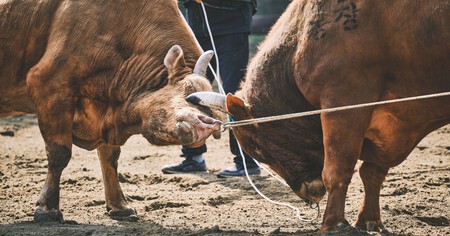
And how are they? South Korean bullfighting shows stark contrasts with the Spanish versions. For one, animal mortality is not a part of the spectacle. The fights feature two bulls that engage physically with one another, rather than the traditional one-on-one battles involving a human and a bull. In these events, the context is set in a sand ring, but the outcome is judged differently—bullying occurs until one bull opts to withdraw, indicated by turning its back on the opponent.
When Does the Show Conclude?
And when does it end? The contest concludes once one bull chooses to back down, symbolizing its defeat rather than resulting in death. According to reports, these bullfights usually last around 30 minutes, divided into six segments or “acts” where the bulls charge at each other, creating a more unpredictable environment than traditional Spanish bullfighting.
The mayor of Cheongdo, Lee Seung-Yool, emphasizes this distinction: “In Spain it is a game between a human and a bull, and ultimately, the bull dies. In Korea, we are proud that no bull ever dies during these fights.” The emphasis here is on showcasing the animals’ strength and behaviors without finality.
The Debate Over Animal Rights
Perfect then? Opinions vary on the ethical nature of these events. Similar to the discussions in Spain, South Korea also faces growing criticism regarding the ethical implications of bullfighting. Critics argue that these competitions constitute a form of animal abuse and question whether such practices should exist in a modern society. Proponents, however, maintain that the bulls are well cared for, and the fights represent cherished cultural heritage.
Statistics of Concern
A percentage: 40%. Detractors of these events highlight alarming statistics to bolster their stance. A recent study conducted by Animal Liberation Wave and Last Chance for Animals indicates that approximately 40% of bulls were reluctant to participate during a series of competitions. This reluctance often leads to fights being canceled or shortened, raising further questions about the nature of these events.
Furthermore, a survey revealed that a substantial majority of the population is apprehensive about the involvement of children in these events, with 62.1% expressing that adolescents should be shielded from such experiences. Reports also indicate that many fights concluded with the animals sustaining injuries, shedding light on the physical toll of these contests.
Tradition vs. Modern Ethics
“It’s an ancient tradition” is a common refrain among supporters of bullfighting in Korea. Local enthusiasts, like Lee Kang-Min, argue that such events form part of their cultural identity. They view the bulls not merely as animals used for entertainment but as integral players in their cultural folklore.
Impact on Politics and Society
From the street to politics, the bullfighting debate has garnered enough influence that it features prominently in media discussions, both locally and internationally. Advocacy groups opposing bullfighting have launched petitions to gather support for legislative changes, requiring substantial public backing to initiate discussions in Parliament. Some local governments have already opted to cease funding for bullfighting events, demonstrating the shifting landscape.
South Korea has animal protection laws dating back to the early 1990s, restricting activities that cause harm to animals for entertainment but allowing traditional forms of recreation to continue, thereby complicating the issue.
In sum, the continuing discussion in South Korea about bullfighting reflects a broader societal shift toward considering animal welfare alongside cultural traditions. Balancing these priorities may determine the future of not only bullfighting but also how societies value and treat sentient beings within their cultural fabric.
Images | Last Chance for Animals (LCA)
In Xataka | The profound dilemma of South Korea: In an increasingly aging nation, becoming older often leads to poverty.