
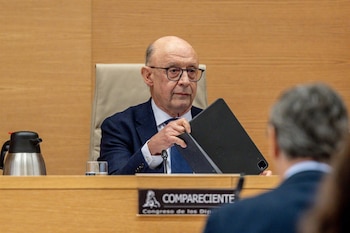
Unraveling the Allegations Against Cristóbal Montoro
The political landscape in Spain has once again been stirred by serious allegations against Cristóbal Montoro, the former Minister of Finance. Recent judicial proceedings have brought to light accusations involving Montoro’s alleged involvement in facilitating beneficial legislation for certain companies within the gas sector. The crux of the investigation revolves around substantial friction between him and other prominent government figures, notably the then Minister of Industry, José Manuel Soria.
The Investigation: What We Know So Far
Tarragona’s Court of Instruction 2 has ordered the release of confidential documents relating to the case. After a thorough examination, 28 individuals and six companies have been implicated in various crimes including bribery, fraud against the public administration, corruption in business, and documentary falsehood. The judicial actions reportedly stemmed from an anonymous complaint presented to the Prosecutor’s Office back in March 2017, highlighting the dubious operations of Montoro’s Economic Team (EE).
According to the claim, the EE was functioning as a lobbying entity, effectively coercing key companies into hiring them to sway government policies. This unscrupulous behavior allegedly positioned Montoro as a powerful gatekeeper, controlling access for businesses seeking favorable legislative adjustments.
The Allegations Unfold
The complaint further notes that some companies felt compelled to engage with Montoro’s Economic Team under perceived threats of discrimination. It mentions Antonio Beteta, then Secretary of State for Public Administrations, as a critical link between Montoro and interested firms.
The evidence amassed includes records of electronic communications and other documents that underline this intricate web of influence and deception. One revealing email from Rubén Folgado suggests the EE could expedite political favors in exchange for financial compensation. Such documented correspondence could serve as crucial evidence during judicial deliberations.
The Tensions Within the Cabinet
Adding complexity to the narrative are reports indicating growing tensions between Montoro and Soria. According to insights from the Mossos d’Esquadra, Catalonia’s autonomous police, both ministers frequently clashed regarding legislative reforms that would affect various sectors. The investigations note that Soria’s proposed changes negatively impacted certain companies in the renewable energy sector, which had alleged ties to Montoro.
These tensions were rooted in competing interests. As the Mossos highlighted, Montoro’s connections with renewable energy businesses drew significant scrutiny against Soria’s reform efforts, which aimed to establish a more even playing field among industry competitors.
Financial Implications and Corruption Allegations
The police inquiry revealed attempts by these firms to manipulate regulatory frameworks favorably. For instance, a pending Ministry of Industry report aimed to reclassify energy sector regulations to benefit specific enterprises within the Associated Gas Manufacturers (AFGIM). This association, which encompasses well-known entities like Air Liquide and Messer, aimed to leverage Montoro’s influence to alter their financial obligations.
Moreover, the investigation has illustrated how financial incentives played a significant role. The AFGIM paid a total of 360,000 euros, plus VAT, to Montoro’s team, seeking favorable reforms after an unsuccessful attempt to secure tax reduction benefits.
Illicit Gains and Broader Implications
The Special Prosecutor’s Office against Corruption has pointed out that these financial dealings might have generated illicit gains for Montoro and his associates. As the investigation continues, the evidence suggests that Montoro’s position may have been utilized to enact legislative frameworks that disproportionately benefitted certain businesses willing to compensate.
This raises questions about the integrity of government institutions and the ethical responsibilities of public servants. It also highlights the urgent need for transparency within respectable governmental operations.
The unfolding of this scandal should serve as a reminder of the latent challenges lying within regulatory bodies, and it stresses the importance of holding individuals accountable, irrespective of their political stature.
As the investigation into Montoro develops, its outcome will undoubtedly reverberate through Spain’s political corridors. The need for ongoing scrutiny and accountability must remain a priority as citizens demand transparency from their leaders. Today, the future integrity of Spain’s governing institutions hangs in the balance, requiring diligent efforts from all involved in upholding moral leadership and community trust.