
The Paradox of Spanish Tourism: More Foreigners, Fewer Locals
Spain’s tourism sector is grappling with a paradox that is not only intriguing but also concerning. In 2025, the anticipation of reaching a historic record of foreign travelers is met with the stark reality that Spanish tourists are becoming increasingly scarce in their own country. Despite the influx of international visitors , the local clientele seems to have stagnated, raising questions about the sustainability and inclusivity of Spain’s tourism industry.
The reasons for this shift are multifaceted. In today’s environment, holidays in Spain are expensive , with prices skyrocketing. Spaniards have discovered that a week in Mallorca can cost as much as a trip to Bali , located 13,000 kilometers away. A recent study from Mabrian reveals that traveling to Mallorca will cost an average of 428.5 euros for a round trip and accommodation. In comparison, heading to Bali is only slightly less at 338.23 euros. This revealing data suggests that in some cases, local vacations are as pricey—if not more so—than exotic international destinations.
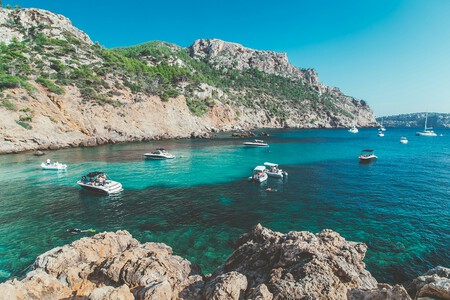
These startling comparisons highlight how the Balearic Islands have positioned themselves as a luxury destination , arguably competing with places like Thailand, Maldives, and other exotic locales. The increase in living costs and travel expenses in Spain has led many locals to reconsider their options, often choosing to travel abroad where they might find more affordable packages. In fact, travelers from Madrid can manage a week in Punta Cana for as little as 2,100 euros, significantly cheaper than similar accommodations in Mallorca.
The struggle is not unique to the Balearic Islands; it extends across Spain’s famed tourist hotspots such as Costa del Sol , Costa Brava , and Costa Blanca . A recent study indicates that prices for both flights and accommodations have surged significantly—between 10.5% and 62.9% —in just two years, outpacing increases seen in other European countries. Thus, when comparing similar tourism experiences, Spanish locals may find themselves increasingly feeling that vacations at home are beyond their financial reach.
In analyzing the Canary Islands , for instance, travelers often find themselves faced with costs that rival those of more sought-after international destinations. For example, a trip to Menorca now offers prices comparable to what one would pay for a week in the Riviera Maya . With hotel costs for two people nearing 2,726 euros, it’s becoming evident that locals may be better off exploring the globe rather than vacationing domestically.

What is driving these price hikes ? Experts cite several contributing factors, including robust real estate investment in upgrading hotels, pushing room rates higher. According to the National Institute of Statistics (INE), hotel prices have spiked by an astonishing 50% since the pandemic , coupled with increased costs for flights and other travel logistics.
The crux of the dilemma lies in the data revealing that while 61.9 million foreign tourists visited Spain last year, only 54.3 million Spaniards toured their own country. This imbalance emphasizes a concerning trend: as international arrivals continue to flourish, local numbers are stagnating. The easy resort of studying abroad for vacations over in-country trips may soon become a permanent trend unless significant changes occur within Spain’s tourism pricing strategies.
In conclusion, the Spanish tourism industry finds itself at a crucial juncture. While foreign arrivals are thriving, locals are feeling priced out of their own leisure activities. Industry stakeholders must strike a balance between maintaining price integrity and making local travel accessible for Spanish citizens. Only time will tell if Spain can successfully navigate this paradox and ensure that it remains a welcoming destination for both foreign tourists and its own residents alike.
Images | Calvin Craig (Unplsash), Aron Visuals (UNSPLASH), Eugene Zhyvchik (UNSPLASH)