
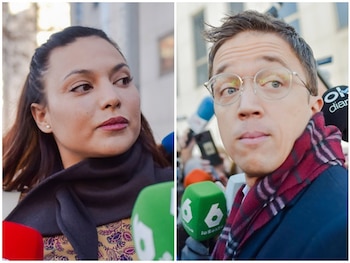
Controversy Unfolds: Íñigo Errejón vs. Elisa Mouliaá
The recent case involving Íñigo Errejón, a former deputy of the Spanish left-wing party ‘Sumar’, and actress Elisa Mouliaá has sent shockwaves through both the political and entertainment landscapes. The controversy began when Mouliaá made a public allegation of sexual aggression against Errejón, claiming he exhibited inappropriate behavior during a party hosted in September 2021.
This tumultuous situation since turned from accusation to counter-accusation. Errejón has now taken legal action, accusing Mouliaá of slander and demanding a retraction of her statements, along with compensation of €10,000 for damages incurred to his reputation.
A Pivotal Turn of Events
In an early audio leak, Mouliaá confesses her uncertainty about the validity of her own allegations. “I do not think it is a crime either, but I had to tell what it did to me,” she stated during a conversation from February 2025. Her comments raise significant questions about the power dynamics and the seriousness of her allegations.
She expressed that she felt pressured due to a wave of anonymous complaints against Errejón, which led him to resign. “I was excited and confused,” she added, hinting at the complexities surrounding the situation. Her friend, who was part of the conversation, pushed back against her claims, suggesting that by labeling Errejón as a “monster,” she could face repercussions for a false complaint.
Legal Maneuvers and Escalating Tensions
As the allegations fueled public discussions, Errejón’s legal team has moved swiftly. They are seeking a conciliation act, a procedure that acts as a precursor to a lawsuit, ahead of filing a formal complaint for slander against Mouliaá. His lawyers argue that the accusations are unfounded and damaging, rehashing misrepresentations made on social media platforms, particularly X (formerly Twitter).
Recent statements made by both witnesses to the alleged incident serve to bolster Errejón’s claims. According to his defense, one witness, Soraya, denied having ever communicated directly with Errejón. Borja, another witness, confirmed he initiated contact via email, which counters Mouliaá’s assertions regarding extortion.
The Weight of Social Media
Social media has played a central role in the dissemination of information and opinions surrounding this case. Mouliaá used the platform to voice her allegations and concerns, but her posts have also come under scrutiny. Phrases like “Errejón refused to deliver his mobile because he had extorted two of my witnesses” reflect serious allegations that could unravel her credibility should her claims be proven baseless.
Her followers and the general public have reacted vigorously, reflecting the polarization that often accompanies discussions of sexual misconduct and political accountability.
Public Response and Media Coverage
The media’s coverage of this case has involved a myriad of perspectives, raising questions on gender dynamics, power play within politics, and the influence of social media on public perception. This case is emblematic of broader societal discussions surrounding sexual harassment and power imbalances that women frequently face, particularly in male-dominated spheres like politics.
Critics argue that public allegations should always be taken seriously, while others caution against the potential for false accusations, which may harm innocent people’s lives and careers. This duality has inspired debate about how accusations are handled and respected within society.
Errejón’s legal tactics are also raising eyebrows. His demands for a financial penalty and a retraction are seen by some as attempts to silence Mouliaá, while others argue it is vital to protect his reputation against defamation.
Moving Forward: Implications for Both Parties
As this case moves through the legal system, the implications for both Íñigo Errejón and Elisa Mouliaá remain significant. Both their careers may be drastically affected, and public perception will likely hinge upon how this matter is resolved in the court of law.
With legal proceedings ahead, societal attitudes towards sexual misconduct allegations will also play a role in shaping whether the public stands in solidarity with victims or with those accused. This case is more than a legal battle; it represents the complexities of human relationships, power dynamics, and societal norms in contemporary society.
As the situation develops, the public remains eager to see how truth and accountability unfold in this poignant clash of political and personal realms.