
France’s Stance on LGBT+ Representation During Euro 2025
In recent discussions surrounding Euro 2025, a significant issue has arisen regarding the visibility of LGBT+ representation in sports, particularly football. The French Football Federation (FFF) has announced that they were unaware of UEFA’s initiative promoting the rainbow armband, a symbol of inclusivity and equality, prior to the tournament’s commencement.
The rainbow armband, as described by UEFA, signifies a commitment to “a more fair and egalitarian society, which embraces each individual, regardless of their origin, convictions, sex, and sexual orientation.” However, France is notably absent from the list of countries participating in this visible act of solidarity. Captains Sakina Karchaoui and Grace Geyoro have donned a yellow fluorescent armband featuring the word “respect” during their initial matches against England and Poland.
This choice raises questions about France’s commitment compared to other nations. Karchaoui stated, “We had not specifically received the information that it was possible to carry this armband. Either we missed the information, or we did not receive it. This absence is in no way a choice. France, by nature, is a little less committed to these questions than the United States or Norway.“
Many teams, including Switzerland, Germany, England, Denmark, Finland, Iceland, Norway, Wales, and Sweden, have proudly worn the multicolored armband in support of the LGBT+ community. The French team, however, seems to have taken a different approach.
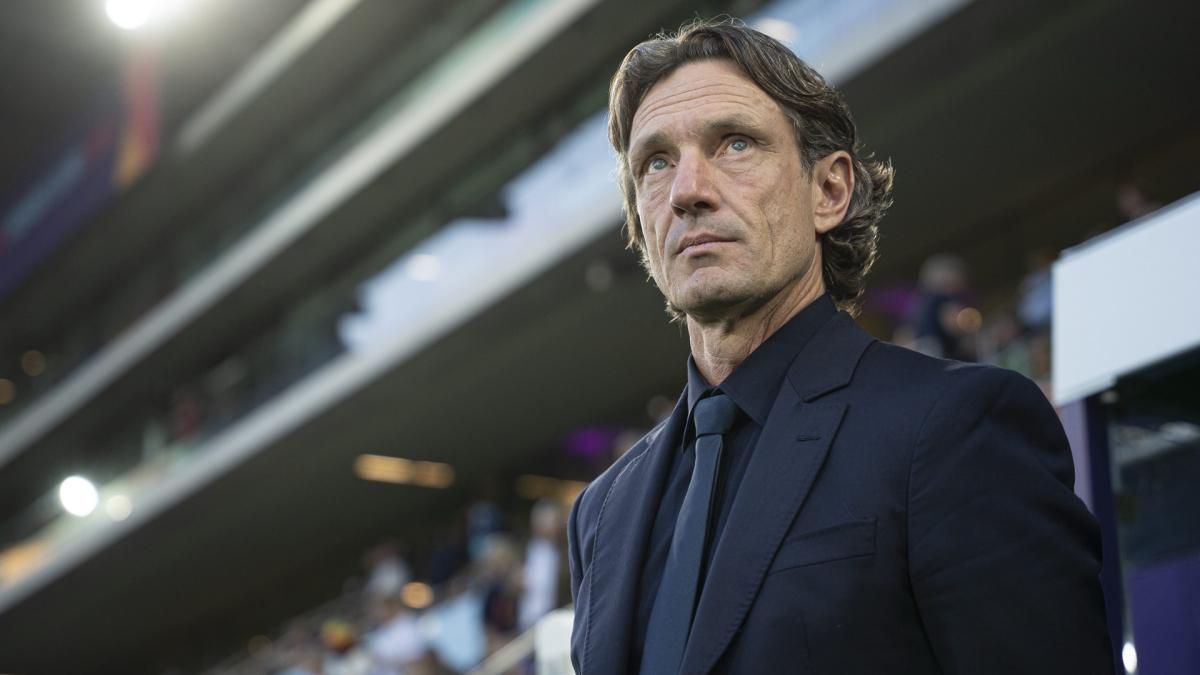
Laurent Bonadei, the coach of the French women’s national team, addressed these concerns after the matches, emphasizing that the decision to wear the “respect” armband was not an oversight but rather a reflection of their broader commitment to various social causes, including the fight against racism. “The word respect, which is written on it, brings together many causes, such as the fight against racism. It is not only for the LGBT+ cause. It’s a nice armband. We were not aware of this UEFA initiative; it is an oversight, and we only learned this Saturday. We’re going to talk about it between us,” he stated.
Moreover, a report from Outsports, a website dedicated to queer sports narratives, indicates that at least 78 of the 368 footballers participating in Euro 2025 publicly identify as LGBT+. This highlights the growing visibility and support within the sport, but the lack of representation from certain teams raises questions about the inclusivity of the tournament as a whole.
France is not the only country that has opted out of wearing the rainbow armband; Belgium, Spain, Italy, the Netherlands, Poland, and Portugal have also chosen not to participate in this initiative. This absence underscores a complex relationship many nations have with LGBT+ rights and visibility in sports.
The rainbow flag and its associated symbols have gained significant traction over the past few years, reflecting a growing societal acknowledgment of LGBT+ rights. Sports figures and organizations have increasingly leveraged their platforms to advocate for rights and inclusion, driving conversations back into the public sphere. However, France’s hesitance to engage may indicate deeper-rooted cultural perceptions and challenges.
As conversations surrounding diversity and representation in sports continue to evolve, the events at Euro 2025 serve as a reminder of the work that still needs to be done. The tournament, which gathers teams and players from across the continent, is an ideal platform to address these issues head-on.
The differing responses from participating nations also show that there is no one-size-fits-all approach to societal issues in sports. Countries like the United States and Norway have long been vocal advocates for LGBT+ rights, often leading the charge in how these issues are represented in international events. Meanwhile, other nations are still navigating their cultural contexts and public perceptions, which can often complicate their engagement with these causes.
As Euro 2025 progresses, how countries like France will adapt their approach to LGBT+ visibility in sports remains to be seen. The hope is that discussions among teams and federations will lead to greater understanding and inclusion in future tournaments.
Ultimately, the collective experiences of teams, players, and fans can either reinforce existing norms or help shift perspectives toward a more inclusive sporting environment. The tension surrounding the rainbow armband at Euro 2025 could become a pivotal moment for the future of LGBT+ representation in football—and representation in sports at large. Recognizing the significant impact of their actions, teams will have to reflect on their decisions, striving toward a more inclusive approach that resonates with the communities they represent.