
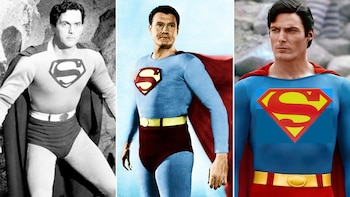
The “Curse of Superman”: Unraveling the Tragic Legacy of the Iconic Hero
The legend about the “Curse of Superman” resurfaces in Hollywood after the announcement of David Korenswet as the new Clark Kent in the upcoming film. Although Superman inspires hope and justice, the trajectory of those who have donned the iconic superhero’s suit is often shrouded in personal tragedies and aborted careers. This phenomenon, as highlighted by Premiere Cinema, reinforces the belief in a malignant fate for those representing the emblematic blue and red figure.
The notion of a curse associated with Superman has deep historical roots. Many cite the tragic death of George Reeves in 1959 as the inception of this myth; however, some enthusiasts trace it back to the original creators. Jerry Siegel and Joe Shuster sold the rights to their creation for a mere $130, despite the character achieving worldwide fame and generating profits in the millions. Both suffered from unsuccessful legal battles and personal setbacks, including health issues like Shuster’s loss of sight. Decades later, DC Comics eventually recognized their contributions with credits and a meager annual pension of $35,000.
The myth asserts that those closely intersected with Superman’s legacy are destined to confront personal tragedies, premature deaths, or professional failures. This superstition has infiltrated Hollywood culture, influencing the careers and lives of various actors and creators.
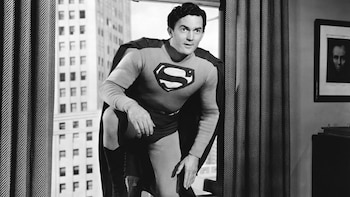
The first Superman on screen was Kirk Alyn in 1948. Although he gained fame, his career suffered significantly afterward; he struggled to secure new roles and wasn’t credited for his appearance in the groundbreaking Superman: The Movie.
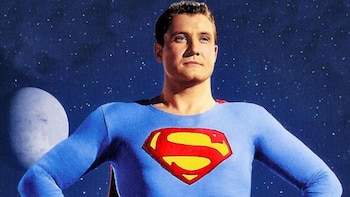
George Reeves, who starred in Adventures of Superman from 1952 to 1958, experienced a comparable fate. His superhero fame became a double-edged sword: children mimicked his invulnerability with real weapons. In 1959, he was found dead from a gunshot wound under murky circumstances. According to Premiere Cinema, he battled severe depression due to dwindling job opportunities.
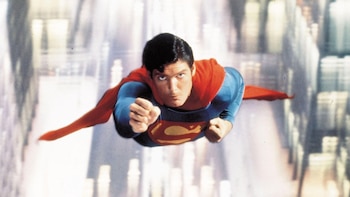
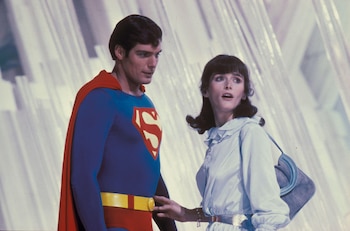
Christopher Reeve, often regarded as the definitive Superman, also faced profound adversity. After achieving global fame with the 1978 film and its sequels, he suffered a severe horseback riding accident in 1995 that left him paralyzed (tetraplegic). His death in 2004 due to complications stemming from this event further solidified the legend.
The case of Lee Quigley, who portrayed baby Kal-El in 1978, is particularly tragic: he died at the age of 14 from solvent inhalation, never given a chance to carve out a career.
Margot Kidder, known for her role as Lois Lane, struggled with bipolar disorder, paranoia, and periods of homelessness in the 1990s. Despite denying belief in the curse, her confirmed suicide from an overdose in 2018 reignited discussions surrounding the myth among fans.
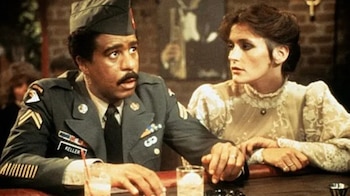
Richard Pryor, who played Gus Gorman in Superman III, was diagnosed with multiple sclerosis following his participation in the series and faced numerous health challenges until his death in 2005. Both Pryor and Kidder acted together in the film A Hero in Trouble from 1982, further intertwining their stories.
Marlon Brando, who portrayed Jor-El in 1978, faced extensive family dramas, including his son being convicted of homicide, and the suicide of his daughter Cheyenne after battling personal demons.
Allison Mack, known for her role as Chloe Sullivan in Smallville, faced legal troubles when she was arrested in 2018 for human trafficking and conspiracy, which furthered the negative narrative surrounding the series. She was released in 2023.
Even Ben Affleck, though not officially portraying Superman, faced struggles with addiction after playing George Reeves in the film Hollywoodland, leading some to associate him with the curse.
Conversely, not all actors have encountered the dark side of the myth. Bob Holiday, who starred in the Broadway musical It’s a Bird… It’s a Plane… It’s Superman in the 1960s, noted that embodying Superman was a privilege. He openly rejected the existence of the curse and has enjoyed a long, peaceful life.
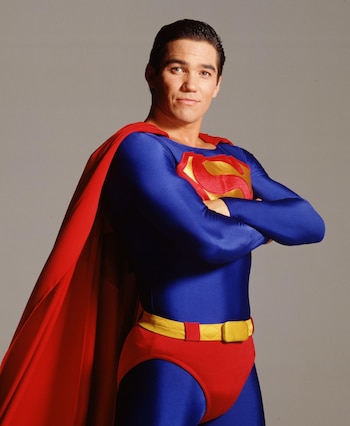
Dean Cain, the lead in Lois & Clark: The New Adventures of Superman, has maintained a steady trajectory in the industry without significant setbacks, although he remains away from the limelight.
Tom Welling, from Smallville, has been subject to rumors regarding his alleged refusal to wear the superhero suit at series’ end. Nevertheless, he remains active in the industry and reprised his role in Crisis on Infinite Earths, albeit with less fame.
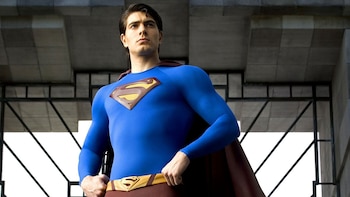
Brandon Routh, the star of Superman Returns in 2006, openly stated his disbelief in the curse, emphasizing his content and stable life. Some attribute the film’s poor reception to affecting his career, but Premiere Cinema suggests it was more about commercial issues.
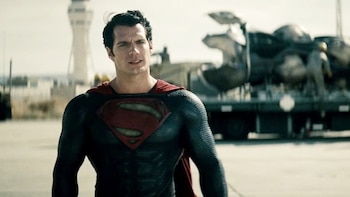
Henry Cavill, the second British actor to portray Superman, has refrained from linking his career experiences to any supposed curse. He concedes that obstacles and professional disappointments exist but regards the “curse” as a mere myth rather than a rule.
The curse narrative not only affects actors; reports indicate that three members of the technical team involved in the DVD production of Superman Returns suffered serious accidents during filming. Notably, director Bryan Singer faced adversity as well, experiencing setbacks in future projects following the box office failure of Superman Returns, which only expanded the scope of the curse myth.

The arrival of David Korenswet as the new Superman under the direction of James Gunn has reignited the discussion around this so-called curse. Korenswet, who until now enjoyed a relatively unscathed career, represents a generation eager to challenge the tragic narrative. Both the industry and audiences are keenly observing whether this cycle of misfortunes will repeat or if the dark myth will finally see its conclusion. As Premiere Cinema notes, the selection of Korenswet signifies a new era for “The Man of Steel”, while lingering memories of the curse continue to haunt Hollywood’s collective consciousness.