
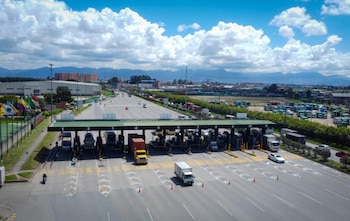
On November 6, 2025, the new system for the risk of money laundering and terrorism financing (SARLAFT) will enter into force, which will be mandatory for all companies regulated by the Superintendence of Transportation (Supertransporte).
The measure, established by Resolution 2328 of 2025 of the Superintendency, seeks to stop the use of the logistics and road system for illegal activities such as smuggling , drug trafficking , and money laundering . “Companies that do not act with time run the risk of being sanctioned or, worse, to be trapped in criminal schemes that can destroy years of reputation and work,” said Santiago Hernández, CEO and founder of Tusdatos.co.
Now you can follow us on Facebook and in our WhatsApp Channel
The transport sector in Colombia faces persistent vulnerability to organized crime. Only in the first quarter of 2025, the authorities seized more than 7.5 tons of marijuana transported in trucks by national routes. One of the biggest operations occurred in Antioquia, where a cargo was seized on the Medellín – painted road. These episodes evidenced the constant risk of guild infrastructure being used for illicit purposes.
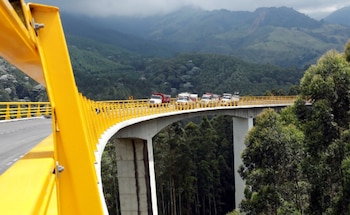
The magnitude of the market accentuated the urgency of the regulation. According to official and updated trade figures for 2024, The land transport mobilized 133.9 million tons of load and generated income of $ 11.16 billion. However, 91.8% of the companies in the sector are microenterprises, many of them without personnel dedicated to compliance or with limited access to technological tools, which increases the operational , financial , and reputational risks .
It should be noted that Sarlaft is not a new figure, but the update represented a structural change in the compliance model. Therefore, more controls, greater traceability, defined responsibilities, and more severe sanctions are required. The regulations replace the old SIPPLAft and force companies to structure a five-stage based system: identification , evaluation , control , risk monitoring , and process documentation .
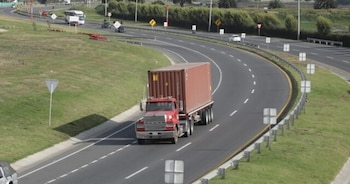
The requirements include due diligence, internal training, and periodic reports before the UIAF. In addition, it will be mandatory to designate a certified compliance officer and have a risk matrix adjusted to the profile and location of the company.
One of the most relevant changes is integration with the National Intelligent Transport Supervision System , a digital platform of the Superintendency that centralizes data, alerts, and real-time monitoring. This requires companies to strengthen their technological infrastructure or link with specialized platforms to meet the required standards.
“More than a legal procedure, Sarlaft is a tool to protect companies from being used by criminal networks without knowing it,” said Hernández. Given the complexity of the system, he recommended initiating the diagnosis of risks as soon as possible and the implementation of the minimum controls . The deadline to meet is in less than four months and omission sanctions include from economic fines to the suspension of operations.
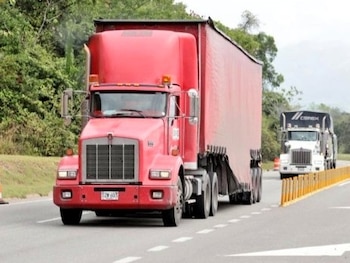
To comply with the standard before November, companies must follow six key steps: 1) Identify specific risks according to zone, type of operation, and commercial allies; 2) Design a risk matrix with control measures adapted to the company’s profile; 3) Verify the history of customers, partners, suppliers, and employees through processes of due diligence.
4) Train internal personnel in compliance, money laundering, and alert management; 5) Designate a compliance officer with technical training and experience in the sector; 6) Incorporate technology to manage information, generate reports, and facilitate supervision.
Finally, The Supertransport‘s message is unequivocal: time is pressing, and non-compliance can lead to serious repercussions, both legal and in terms of business reputation and sustainability.