
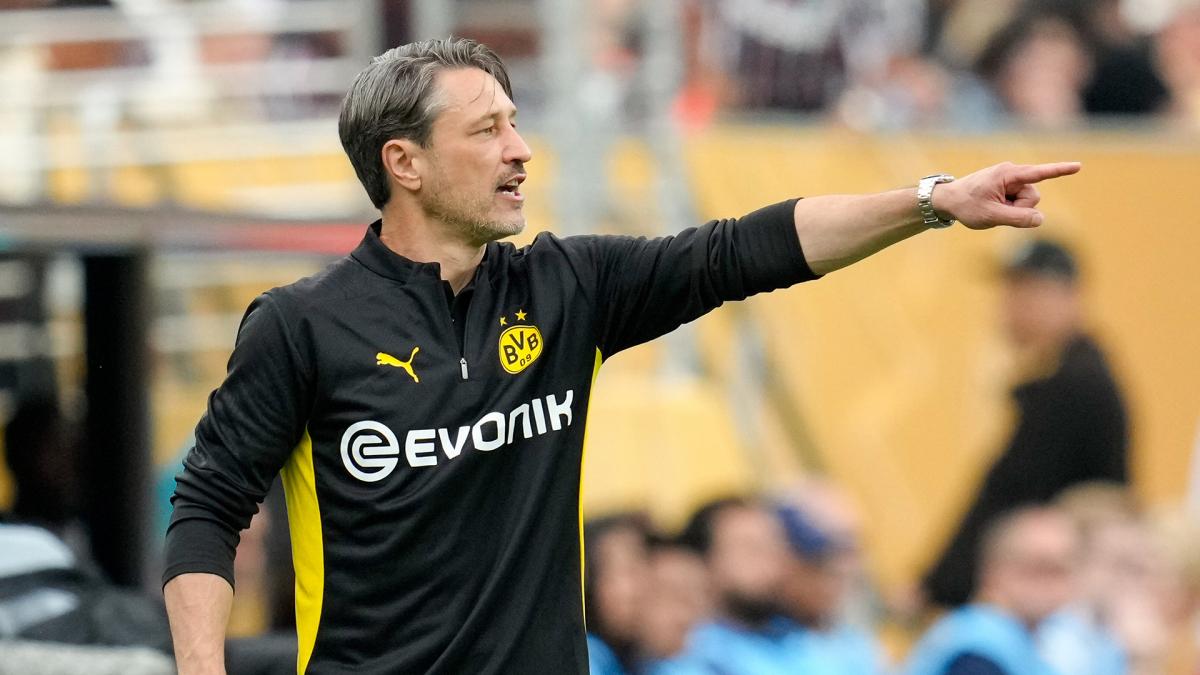
Niko Kovac Calls for Changes to World Cup Scheduling Ahead of 2026 Tournament
In a recent press conference following Borussia Dortmund’s narrow elimination against Real Madrid in the Club World Cup quarter-finals, head coach Niko Kovac voiced significant concerns regarding the upcoming 2026 FIFA World Cup. The tournament is set to take place across the United States, Canada, and Mexico, and Kovac believes critical adjustments are necessary to ensure player safety and performance.
Kovac highlighted the extreme heat that players could face during matches, emphasizing that conditions must be manageable for athletes to deliver their best performances. “The tournament requires adaptations in certain areas. An important point, in my opinion, is the start time for the games. Players should not have to work in full sun, when it is so hot that they should not even leave their homes,” he stated, drawing attention to the challenges presented by high temperatures.
The coach’s remarks resonate with many stakeholders in the football community. As the host cities will experience intense summer heat, which can soar well above 30 degrees Celsius (86 degrees Fahrenheit), it raises questions about player health, performance consistency, and the overall spectacle of the event.
Adapting Match Schedules
Kovac argued for a revised schedule that would push match times to later in the evening. “Under these conditions, they had to give the best of themselves. We will see how it will be managed next year during the World Cup. You really have to think of the players. I suggest delaying the time to kick off,” he continued, underscoring the need for player-centric approaches in tournament logistics.
For football fans, thrilling matches filled with exciting plays and intense competition are paramount. However, extreme weather can hinder this experience, making the quality of play suffer. As Kovac succinctly put it, “As a supporter, we want to see thrilling football and full of twists and turns. When it’s too hot, it’s hard to play this kind of football.” His plea is a call to action for FIFA to prioritize the well-being of athletes while also keeping the fans’ experience in mind.
The Role of FIFA and Organizational Challenges
The challenge of scheduling in extreme weather is not new for FIFA. Historically, organizations have faced scrutiny for placing commercial interests above player health. The 2022 FIFA World Cup in Qatar, for example, was held in November and December to avoid the scorching summer temperatures, demonstrating the importance of considering climatic conditions when planning major events.
Kovac’s comments are pivotal as attention turns toward developing a comprehensive plan for the 2026 tournament. If FIFA can prioritize player well-being and safety through thoughtful scheduling, it would set a benchmark for future tournaments.
Moreover, social media and various communication platforms have amplified discussions about player welfare. Fans and pundits alike engage in dialogue about how to improve the conditions under which football is played. This dialogue is critical not just for the upcoming World Cup but for the overall evolution of the sport as it seeks to balance entertainment with athlete safety.
A Focus on Player Welfare
Amid heightened scrutiny of how professional sports leagues manage player fatigue and health, Kovac’s advocacy aligns with a broader movement to prioritize wellness in athletics. Recent studies have underscored the toll that heat can take on physical performance, with some research indicating a noticeable decline in efficiency and decision-making abilities in extreme temperatures.
Kovac’s perspective as a former player and now a coach provides a unique vantage point. He understands the physical and mental demands placed on athletes, particularly in high-stakes tournaments. His emphasis on player welfare resonates with training regimens being overhauled in many sports to mitigate injury risks and enhance performance under pressure.
With Congress and local governing bodies increasingly focused on athlete protection, Kovac’s advocacy could usher in much-needed modifications to existing protocols, not just for the World Cup but across various global sporting events.
Looking Forward to a Safe and Enjoyable World Cup
As discussions about logistics and player welfare gain momentum, the eyes of the footballing world will remain on FIFA and its ability to adapt. Will they heed the calls of influential figures like Niko Kovac? Only time will tell, but one thing is clear: prioritizing player safety is no longer optional; it is essential.
The anticipation surrounding the 2026 FIFA World Cup grows daily, and the success of this monumental event will hinge on the decisions made in the coming months. Football fans around the world hope for matches filled with excitement and energy, all while ensuring that the athletes on the field are protected and respected.
In order for FIFA to enhance the experience for players and fans alike, the call for revised scheduling could mark a turning point in how international tournaments are organized in the future. Through these adaptations, the focus can stay where it belongs: on the beautiful game itself—a game that thrives when players can perform at their peak under optimal conditions.