
US Tariff Letters: A Game-Changer in Global Trade
In a bold move that could reshape international trade, President Donald Trump has announced he will send “tariff” letters to a number of countries beginning on July 7 . This decision comes just days before the expiration of a 90-day extension of the so-called “reciprocal” taxes previously established by his administration in anticipation of reaching new trade agreements.
In a post on his social media platform, Trump stated, “I am pleased to announce that the tariff letters of the United States, and/or treatment, with several countries of the world, will be delivered after 12.00 (local time, 18.00 Spanish peninsular time), on Monday, July 7.” This set the stage for a series of negotiations and potential financial repercussions for global partners.
The Rationale Behind the Tariff Strategy
Prior to the announcement, Trump hinted at a comprehensive strategy during a press briefing. He suggested that letters detailing imminent tariff increases would commence on Monday, with some possibly being dispatched by Tuesday . He expressed optimism, indicating that he believes most countries will have reached agreements before July 9 .
Trump noted, “We have also made deals, so we will have a combination of letters and some deals have been made.” This dual approach of sending out letters while also negotiating agreements indicates a multifaceted approach to U.S. foreign trade policy.
Confirmations from Key Administration Officials
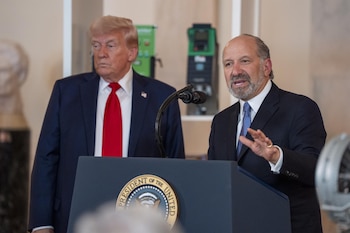
The U.S. Secretary of Commerce, Howard Lutnick , corroborated the president’s statements during a subsequent press conference. He confirmed that tariffs by country will take effect on August 1 . Lutnick described this announcement as somewhat of a relief for U.S. partners, stating, “Tariffs enter into force on August 1, but the president is establishing rates and agreements at this time.” This comment suggests there still exists an opportunity for countries to negotiate favorable terms before the tariffs are activated.
Secretary of the Treasury, Scott Besent , also added to the urgency of the situation in an interview with CNN, stating, “the next 72 hours will be agitated.” He further articulated the gravity of the upcoming timeline, noting, “In the letters we will say (to the countries) that if you do not accelerate the situation, on August 1 you will return to its tariff level on April 2.” His remarks highlight the pressure being applied to other nations to expedite negotiations.
Understanding the Implications
The emphasis on August 1 as a deadline has raised questions about the overall trajectory of U.S. trade policy. Besent clarified that this upcoming date is not merely a new deadline but a critical juncture, stating, “August 1 is when it will begin to happen (the restoration of the tariffs).” He added, “And if they want to accelerate the situation, great. And if you want to return to the original tariff (April), you decide.” This highlights the significant leverage the U.S. has over its trade partners as they scramble to meet expectations.
In a world where trade dynamics are constantly shifting, President Trump’s tariff strategy may signal a new era in international relations. As countries assess their response options and potential economic impacts, the outcomes of these negotiations will resonate far beyond the initial announcements, creating ripples throughout global markets.
The unfolding situation illustrates the complex interplay between international diplomacy, economic strategy, and domestic policy. With global markets closely monitoring these developments, the repercussions of the U.S.’s tariff decisions will be felt across industries and economies worldwide.