

The Impact of Climate Change on Data Centers
On July 19, 2002, at 06:33 PST, a significant event took place at the Google and Oracle Data Centers in London. Due to extreme temperatures exceeding 40°C, the cooling systems in the data centers failed, leading to a widespread outage that affected multiple services for hours. This incident wasn’t caused by a human or electrical failure; rather, it was a direct consequence of climate-related extremes in weather. The outcome of such an event raises critical questions on the sustainability and resilience of data centers in an era of climate change .
Climate Change: A Growing Threat
The alarming reality is that climate change is escalating concerns regarding the reliability of data centers. What we witnessed during that summer’s heatwave in London is just a precursor to more extreme temperatures expected in the coming years. As these weather patterns become more unpredictable and severe, the demand on existing cooling systems will be immense. Data centers that previously operated efficiently in mild climates may find themselves struggling to cope with increasingly high temperatures.
Optimal Temperature Ranges
Data centers typically operate best within a defined temperature range. While some experts suggest a comfortable operational window between 18°C and 27°C, others advocate for even cooler conditions, between 17°C and 21°C. Achieving these temperatures necessitates robust air and liquid cooling systems—essential components that can consume extensive energy, thereby increasing operational costs.
Energy Consumption and Efficiency
As the global temperature rises, maintaining these ideal cooling temperatures requires higher energy consumption. This leads to a significant increase in operational costs as well as the potential for reduced efficiency in processing power. Overheating can trigger *throttling*, which is detrimental to computational performance. Just as mobile devices slow down when overheating, data center components face similar constraints when temperatures exceed operational limits.
Liquid Cooling Solutions
In contemporary data centers, particularly those focused on Artificial Intelligence (AI) , cooling systems increasingly rely on liquid cooling methods. AI facilities are densely packed with chips, necessitating more advanced cooling technologies to manage heat effectively. The need for more sophisticated systems underscores a growing trend in data management, as tech giants invest billions in expanding their data center infrastructure.
Innovative Cooling Techniques
To proactively mitigate the risks posed by rising temperatures, engineers are employing innovative cooling strategies. Among these is Direct Evaporative Cooling , wherein cooled and humidified air is funneled directly into the data center. Other solutions might involve the use of cooling towers and intelligent airflow management, strategically designed to enhance overall efficiency.
Choosing Ideal Locations for Data Centers
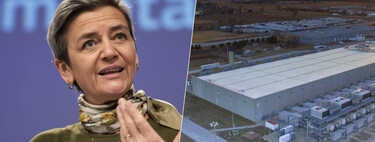
As temperature levels continue to rise, selecting the ideal location for data centers becomes paramount. For instance, Aragon in Spain is emerging as a hot spot for new data center projects. Although extremity in temperatures is less likely in this region compared to others in southern Spain, it still faces challenges as climate patterns shift unpredictably.
Considering Colder Climates
In some scenarios, organizations are opting for data center locations with inherently cooler climates. Facebook has established several data centers in Lulea, Sweden , primarily due to its low temperatures. A notable example within Spain would be the relocation of the Social Security Data Processing Center from Madrid to Soria , a decision influenced primarily by cooler local temperatures that save substantial costs on cooling infrastructure.
The compounding effects of climate change on data centers necessitate comprehensive planning and innovative strategies to ensure their reliability in managing data. As technological advancements continue and companies invest heavily in infrastructure, organizations must remain vigilant against environmental changes that threaten their operations.