
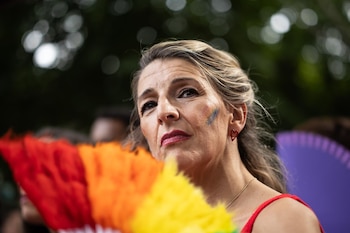
The Importance of Pride Celebrations: A Voice for Equality
Pride celebrations worldwide mark a critical moment in the year for the LGBTQ+ community, highlighting the fight for equal rights, acceptance, and the celebration of love in its diverse forms. This year’s events in Madrid have attracted significant attention, especially due to the remarks made by Yolanda Díaz, the second vice president of the Spanish Government and Minister of Labor. Her passionate speech resonated with many as she emphasized the values of hope, diversity, and human rights.
Yolanda Díaz: A Champion of Human Rights
At the forefront of the pride celebration, Díaz stated, “Today, in Madrid, we will demonstrate the country we are—a country that respects human rights.” Her remarks aim to encapsulate the essence of what pride represents: a commitment to upholding the dignity and rights of every individual, regardless of their sexual orientation or gender identity. The Minister further urged citizens to embrace their diverse identities and love freely, stressing that “diverse people” should thrive in an environment that encourages self-expression.
Challenging Opposing Views
Díaz did not shy away from addressing the political landscape in Spain, particularly criticizing the Popular Party (PP) for what she called an “unacceptable” stance on LGBT rights. She argued that rights should not be seen as a zero-sum game; rather, when LGBTQ+ individuals gain rights, all of society benefits. This echoes the often-debated premise that human rights must be prioritized and universally respected.
She specifically highlighted the discrepancies in the PP’s positions on LGBTQ+ rights, claiming they promote a false narrative wherein some rights are pitted against others. “The times of homophobia and transphobia will not return,” Díaz proclaimed, demonstrating her resolve to push back against any attempts to curtail rights already gained.
Families and Diversity: A New Paradigm
In a bid to shift the discourse on family values, Díaz signaled a revolutionary approach: “The time of pears and apples is over.” This metaphorical expression suggests a movement away from traditional and dogmatic family structures towards a more inclusive definition of family that embraces all kinds of love. The Minister stressed that families should be recognized as they wish to define themselves, reflecting the very nature of love and respect for diversity.
“We want families that are as they want,” she declared, calling for acceptance and understanding of different family dynamics. This call is especially poignant in a socio-political climate where debates about family and structural norms continue to evolve.
The Fight Against the Rise of Extremism
Another crucial point that Díaz made was about the rising extreme right in several parts of the world. She urged those present to remain vigilant and counteract the “hatred” propagated by these groups. The rainbow flag, representing solidarity and inclusivity, was highlighted as a powerful symbol in this struggle. “There is no more beautiful flag than the one we have here today,” she said, tying the colors of the LGBTQ+ pride flag to broader messages of hope and defiance against oppression.
Reflecting on Past Milestones
The celebration also served as a moment to reflect on significant historical milestones, including the 20th anniversary of the approval of equal marriage in Spain. Figures like Pedro Zerolo and Carla Antonelli were honored for their immense contributions to the rights of LGBTQ+ individuals in the country. Their legacies serve as a reminder that the fight for equality requires consistency and stamina.
While the celebrations filled the streets with joy and unity, they also encapsulated the ongoing struggles and stories of those who fought for the basic rights many enjoy today. Each dance, song, and speech were reminders that the journey towards equality is ongoing.
Pride festivals like those held in Madrid signify more than just a parade; they are a celebration of triumph over adversity and a call to action against any forms of discrimination. The symbolism of pride goes beyond LGBTQ+ rights; it stands as a testimony to a future where love is celebrated, diversity is embraced, and human rights are upheld for all. As voices of dissent rise in various spheres, collective actions grounded in hope and unity play a vital role in shaping a more inclusive future.