
The Mysterious Decline of Windows Active Devices
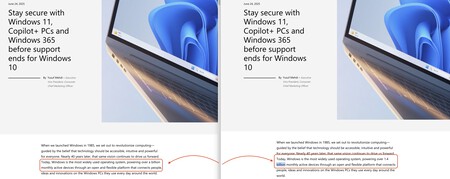
Something peculiar is occurring within the Microsoft ecosystem. In 2022, Microsoft claimed to have 1.4 billion monthly active devices utilizing its Windows operating system. However, recent reports have indicated a staggering revision, dropping that figure to 1 billion. This notable shift raises questions about what could have caused such a significant decline in active devices.
Understanding the Numbers: A Drop of 400 Million?
If we take Microsoft’s initial claim at face value, the company would have lost approximately 400 million active devices over a span of just three years: a dramatic fall that’s challenging to explain.
PC Sales Still Strong
Despite the apparent decline in active Windows devices, reports from IDC indicate that PC sales remain relatively robust. The numbers show a distribution of 262.7 million PCs in 2024, only slightly lower than 260.2 million in 2023 and 301.5 million in 2022. This indicates that while enthusiasm for new PC models may have declined, sales are certainly not at a catastrophic level.
Users Not Transitioning to Mac
Often, analysts assume that a decline in one operating system means a gain in another. However, data regarding Apple’s Mac sales reveals that the revenue from that division has decreased from $10 billion per quarter to around $8 billion since 2022. This suggests that the rumored transitions of users from Windows to Mac are not significantly materializing, which brings us back to the $400 million mystery.
Two versions for the same story. The original article spoke of 1,000 million active Windows devices. The updated version mentioned 1.4 billion. Curious, indeed.
The Mysterious Edit by Microsoft
Following the initial report of this alarming drop, Microsoft promptly edited the original article to change the figure from 1 billion back to 1.4 billion. This edit has left many questioning the accuracy of their data. If there were no significant changes in the number of active devices, why did they set the number back to three years ago? The company had indicated in April 2021 that there were 1.3 billion active Windows devices—did they genuinely observe a growth of 100 million in one year only to stagnate for the next three?
A Possible Hypothesis
One plausible explanation for this decline could be the evolving habits of users. More people might be opting for smartphones and tablets for their computing needs, which could be making less use of traditional PCs and laptops. While it’s hard to believe that 400 million users ceased to engage with their PCs altogether, the trend towards mobile computing is undeniable.
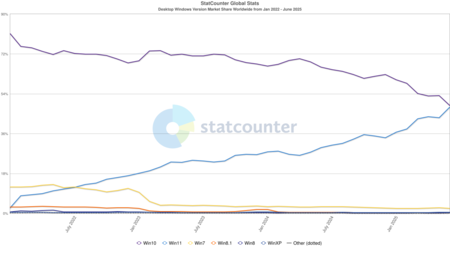
Source: Statcounter Globalstats.
The Looming Deadline for Windows 10
Another contributing factor to the mystery could be the nearing official end of support for Windows 10 in October. This may have prompted some users, especially businesses, to transition to newer systems. Recent data from Statcounter indicates a stark decrease in the Windows 10 market share, plummeting from 81% to 48% since 2022, while Windows 11 has made remarkable gains—from 8% to 48%. However, these numbers only imply shifts in market share; the absolute number of users remains unclear, obscuring the real picture.
Seeking Clarity from Microsoft
Efforts made by Xataka to gain clarity from Microsoft regarding these conflicting statistics resulted in a lack of coherent explanation. Whether the company is grappling with a genuine drop in active users or simply recalibrating its reporting numbers remains a mystery.
The Future of Windows: A New Era Ahead?
As rumors of a potential Windows 12 circulate, one has to wonder if a fresh version could reshape the operating system landscape. While anticipation grows, Microsoft has confirmed it’s more focused on significant updates to Windows 11, specifically the 25H2 update. As the tech community waits for clarity, the mystery surrounding the decline in Windows active devices continues to deepen.
In summary, the stark contrast in reported active devices raises many questions. The sales data suggest that people are still buying PCs, but fewer might be using them regularly. Moreover, with the impending end of support for Windows 10, it’s possible that user numbers could further fluctuate. Only time will reveal if Microsoft is capable of maintaining its dominance in a rapidly evolving tech landscape or if their claims of active devices can truly withstand scrutiny.