
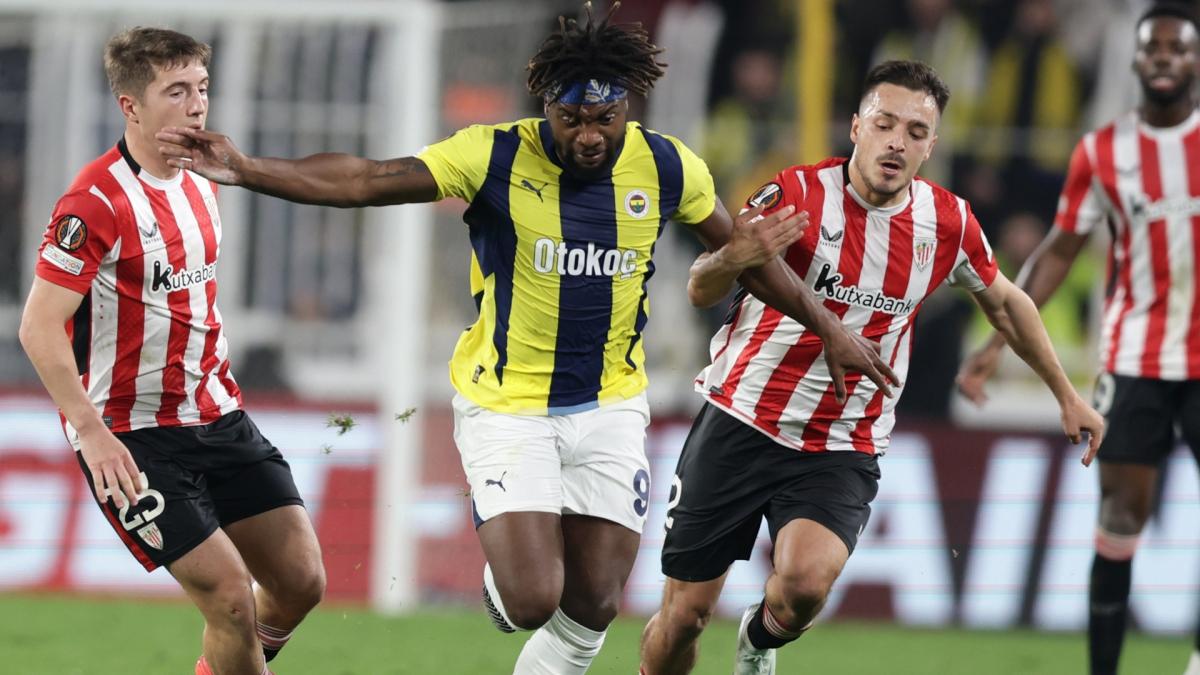
Turkish Football’s Turbulent Situation: Fenerbahçe and Allan Saint-Maximin’s Eye-Opening Revelations
For several years, Turkish football has been embroiled in scandals that have shaken its biggest clubs, particularly those in Istanbul. The Süper Lig has become a stage for controversies, including allegations of corruption, political tensions, and internal conflicts. Amidst this chaos, Fenerbahçe, one of Turkey’s historic clubs, has found itself at the center of attention. The club’s profile has been elevated significantly following the appointment of José Mourinho as head coach, ushering in a period of intense scrutiny both on and off the pitch.
Recently, Allan Saint-Maximin, a former player for Fenerbahçe, made explosive comments during an episode of the podcast “Zack in a free wheel,” hosted by Zack Nani. His remarks spotlight a troubling underside of Turkish football, manifesting in extreme pressures and tensions that extend beyond mere athletic performance. Saint-Maximin’s insightful yet alarming commentary has reignited discussions about the serious issues plaguing the club and the league at large.
Unveiling Hidden Pressures
Allan Saint-Maximin did not mince words, emphasizing the disturbing environment he experienced while at Fenerbahçe. His assertion that, “We went so far as to want to boost me, to say how serious it is. These are things that people do not know. You don’t speak because you are threatened behind. It goes beyond football,” has raised eyebrows and concerns among fans and pundits alike. The crux of his statement indicates a toxic atmosphere where players are manipulated and pressured, revealing a darker side of what should be a sport celebrated for its competitive integrity.
The impact of Saint-Maximin’s revelations is profound. He further elaborated on his experiences, reportedly suggesting he was nearly given treatment that could be construed as doping, leaving fans and authorities questioning the medical management within the club. With his powerful assertion, he painted a picture of a club environment where players’ wellbeing might be secondary to the needs of the institution. His clarifications on social media, aimed at rectifying misunderstandings, did little to mitigate the gravity of his earlier comments, amplifying the scrutiny on Fenerbahçe’s internal culture.
Fenerbahçe’s Response: A Firm Stand
In light of these incendiary claims, Fenerbahçe reacted with a firm press release categorically denying any allegations of malpractice or irresponsibility. Describing Saint-Maximin’s statements as “distorted,” the club affirmed that it would not tolerate any attacks on its reputation. The prospect of legal proceedings loomed, as Fenerbahçe made it clear that it intends to protect its corporate image against any misleading narratives. This robust response indicates the severity with which the club views the situation and highlights the friction between the organization and the player.
The Broader Implications
Saint-Maximin’s experience is not an isolated incident; rather, it sheds light on a larger systemic issue within the football industry, where the well-being of athletes can get overshadowed by the pursuit of glory. This situation amplifies the ongoing conversation about player rights, particularly regarding their freedom of expression and the responsibilities of clubs, especially regarding medical ethics.
As modern football trends towards increased transparency, the case of Fenerbahçe and Saint-Maximin serves as a stark reminder that significant pitfalls remain. The demands placed on athletes today require comprehensive support systems to ensure their physical and mental health are prioritized. The revelations from Saint-Maximin could be a catalyst for change in how football clubs handle their internal affairs, particularly regarding medical treatment and player support.
Conclusion
The saga between Allan Saint-Maximin and Fenerbahçe underscores not just the personal struggles of players but reflects the intricate web of pressures that define contemporary football. This ongoing conflict, characterized by allegations and denials, may lead to a pivotal shift in the narrative surrounding player welfare in Turkish football and beyond. As the world watches, the resolution of this dispute could either reinforce the status quo or spark a much-needed conversation about accountability and care in the sporting arena. The sports community remains abuzz as this intriguing chapter unfolds, with the stakes significantly raised for both player and club.