
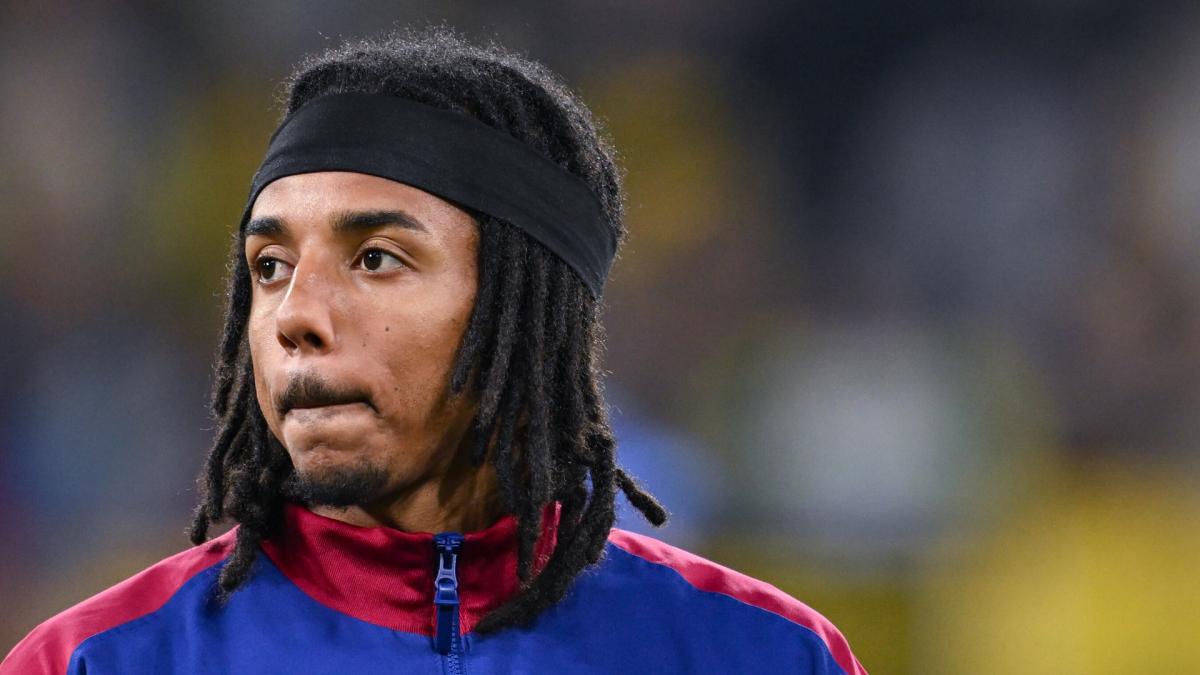
Jules Koundé: A Voice for Change in Football’s Overloaded Calendar
In the fast-paced world of professional football, where athletes are often seen as mere commodities, some players stand out for their willingness to voice the concerns affecting their peers. One such player is Jules Koundé, the talented defender for FC Barcelona and the French national team. Known for his skill on the pitch, Koundé has also made headlines for his candid remarks on issues that impact players’ physical and mental well-being, particularly the increasing strain of an overloaded match calendar.
Over the years, the football calendar has become more congested, creating significant challenges for athletes. With tournaments, league matches, and international friendlies piling up, many players find it daunting to balance their professional commitments with adequate rest and recovery. The issue is especially pressing for those who are fortunate — or perhaps unfortunate — enough to participate in the Club World Cup, which demands peak performance even when players have had little to no downtime.
On July 4, 2025, Koundé took to the social media platform X to express his concerns. In a frank post, he lamented the relentless schedule, stating, “There are teams, their season started in mid-July 2024… We are on July 4, 2025, and they still play…” His words resonated deeply within the football community, highlighting a growing frustration that many players share but few openly discuss.
The Toll of an Overloaded Schedule
Players are expected to perform at elite levels throughout the year, often without adequate breaks. The demanding schedule not only affects their physical health but also their mental well-being. Injuries have become increasingly common, as fatigue sets in and players push themselves beyond their limits. Koundé’s remarks echo a broader discourse surrounding player welfare, raising questions about how clubs and governing bodies manage player workloads.
The modern football calendar is littered with almost continuous activity, making it impossible for players to fully recuperate. The problem is compounded for those involved in international competitions, where travel and time zone changes can wreak havoc on an athlete’s routine, further exacerbating stress and fatigue.
Sports analysts have suggested that the structure of leagues and tournaments should be reconsidered to foster better overall conditions for players. Many argue for an overhaul of the schedule to prioritize player health over profit. After all, the long-term productivity of these athletes is critical not just for their respective teams but for the entire sport.
Koundé’s Role in Advocating Change
Jules Koundé’s willingness to speak out makes him a valuable voice for his teammates and fellow sports professionals. His platform allows him to shed light on an often-ignored topic — the well-being of athletes. Unlike many of his contemporaries who may shy away from criticizing the status quo, Koundé embraces the opportunity to make a difference.
He is also part of a larger movement among athletes who are breaking the mold. More players are using their platforms to advocate for better treatment, not just limited to match schedules but also expanding to issues like mental health, fair pay, and maintaining player dignity amid increasing commercial pressures.
The Necessity of Balancing Competition and Care
In discussing the critical issue of player health, Koundé emphasizes the need for balance. Sustainable changes must be pursued to ensure that athletes are not only performers but also individuals with lives that extend beyond the pitch. The reality is that a happy, healthy player is likely to perform better, contributing positively to the team and the sport as a whole.
Koundé’s bold statements are a reminder that football, like other sports, thrives on the quality of its athletes. Players must be given the necessary tools and schedules to recover, train, and perform at their best. Critical discussions like the ones initiated by Koundé pave the way for addressing profound systemic issues within the sport.
This shift in paradigm is not just about the well-being of individual players but about the future of football. As awareness grows, it becomes imperative for clubs, leagues, and governing bodies to consider the implications of an overloaded schedule.
As the conversation about player welfare continues to evolve, voices like Jules Koundé’s are pivotal in pushing for necessary reforms that benefit everyone in the sport. It raises a fundamental question: Can the system change before it’s too late for those who bring life, excitement, and passion to the beautiful game? Change is overdue, and with advocates like Koundé leading the charge, perhaps the future will be brighter for the next generation of athletes.