
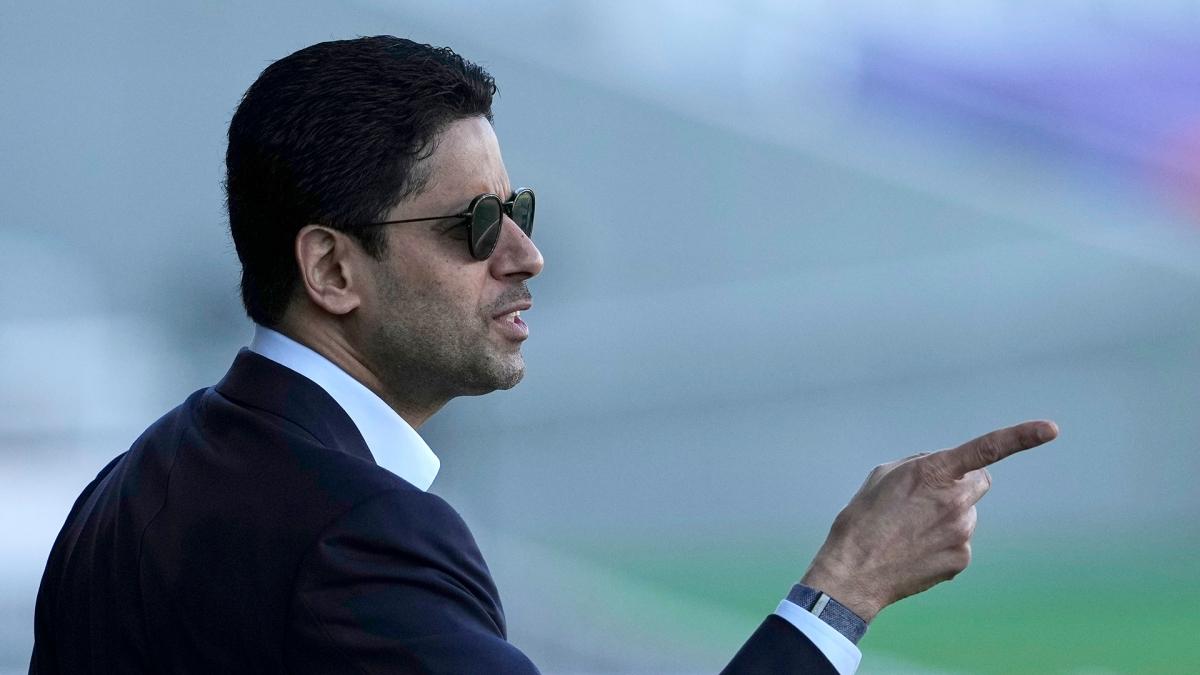
Nasser Al-Khelaïfi Faces Legal Battles: BeIN Sports and the Dismissal Case
In a significant legal development, a former assistant of Nasser Al-Khelaïfi, the president of BeIN Sports, has raised serious allegations against the media group. In November 2022, Amina Tajaddine filed a complaint claiming illegal dismissal and moral harassment after being terminated from her position on February 12, 2022, precisely ten years after she joined the company. This case has garnered attention not just for the implications it has for BeIN Sports but also for the broader conversation it fosters about employee rights in the media industry.
The Labor Council’s recent decision to reject Mrs. Tajaddine’s accusations marks a notable triumph for BeIN Sports. The tribunal deemed the dismissal valid and dismissed all claims regarding harassment. However, the media group has been ordered to pay €290,000 in overtime owed to Tajaddine, a significantly lower amount than her original claim for €1 million.
The Nature of Allegations and Legal Proceedings
Tajaddine’s claims against BeIN Sports included allegations of moral harassment and an assertion that her dismissal was illegal. As a significant player in the media landscape, BeIN Sports has faced scrutiny before over its management practices. However, the outcome of this tribunal has sparked conversations about how allegations can impact the reputation and operational dynamics of companies, especially in high-stakes environments like sports broadcasting.
BeIN Sports’ attorney, Charles Mathieu, expressed relief following the judicial ruling, stating, “We are delighted that the Labor Council ruled in our favor, fully validating the merits of the dismissal of Ms. Tajaddine.” He emphasized that the allegations against the media company were both “completely unfounded and deliberately exaggerated.” Such statements underscore the high tension around employee relations as well as the competitive nature of maintaining a public image amidst legal challenges.
The Impact on BeIN Sports and Corporate Ethics
The outcome of this case will likely serve as a reference point for other corporations in terms of internal disputes and broader labor relations. The fact that the tribunal ruled in favor of BeIN Sports may provide a temporary shield against ongoing allegations, allowing the company to pivot its focus back to its core operations and business objectives.
After all, the pressure from media scrutiny can have profound implications not only for public relations but also for the employee morale within the organization. High-profile cases like Tajaddine’s often bring to light the internal power dynamics that can exist in large firms. They raise essential questions about management practices, employee rights, and the responsibilities of corporations toward their workforce.
The Role of Media in Coverage of Internal Affairs
Nasser Al-Khelaïfi, who has become a significant figure in sports media, finds his leadership scrutinized not just for business decisions, but now, for how employee grievances are handled. The media’s role is critical here, as coverage of such legal battles can shift public perception and reshape industry standards.
Al-Khelaïfi’s leadership has been traditionally viewed through the lens of success in securing major sporting rights and revenue streams for BeIN Sports. However, this case has the potential to affect not only his standing but also that of BeIN Sports in the long term. Given the geopolitical movements in media rights and broadcasting, companies like BeIN Sports are expected to navigate through both competitive and ethical challenges.
The Broader Context of Employee Rights
While the outcome of Tajaddine’s case is a significant event for BeIN Sports, it also highlights a persistent issue in various industries: the treatment of employees. Many workers, particularly in high-stress environments, feel the pressure to remain silent about grievances out of fear of retribution or career derailment. The narrative often becomes a balancing act between individual well-being and corporate interests.
The ruling not only provides a ruling on the specific case but also reflects broader societal attitudes towards workplace dynamics and the importance of mental health in the workplace. Companies that prioritize healthy workplace environments often see not only increased productivity but also enhanced employee retention.
In navigating this complex landscape of legal disputes and corporate responsibility, organizations must prioritize creating work environments that are fair, respectful, and supportive. Transparently addressing employee concerns not only cultivates trust but helps in maintaining a positive public image, an essential aspect of brand value in today’s competitive markets.
As BeIN Sports moves forward post-ruling, how it chooses to address its internal culture will be under close observation, standing as a testament to its commitment to both its employees and corporate ethics.